Antananarivo: Madagascar Chameleons, the Fossa Predator, Route Nationale 7, Malagasy Food Markets, and Humpback Whales
Madagascar wildlife and culture: chameleons (40% of world species including the Brookesia micra), the fossa apex predator, the Route Nationale 7 scenic road, the Antananarivo food scene (romazava, ravitoto, ranovola), and Madagascar marine life (humpback whales June-September, whale sharks).
- 1
The Chameleons of Madagascar - 40% of All Chameleon Species
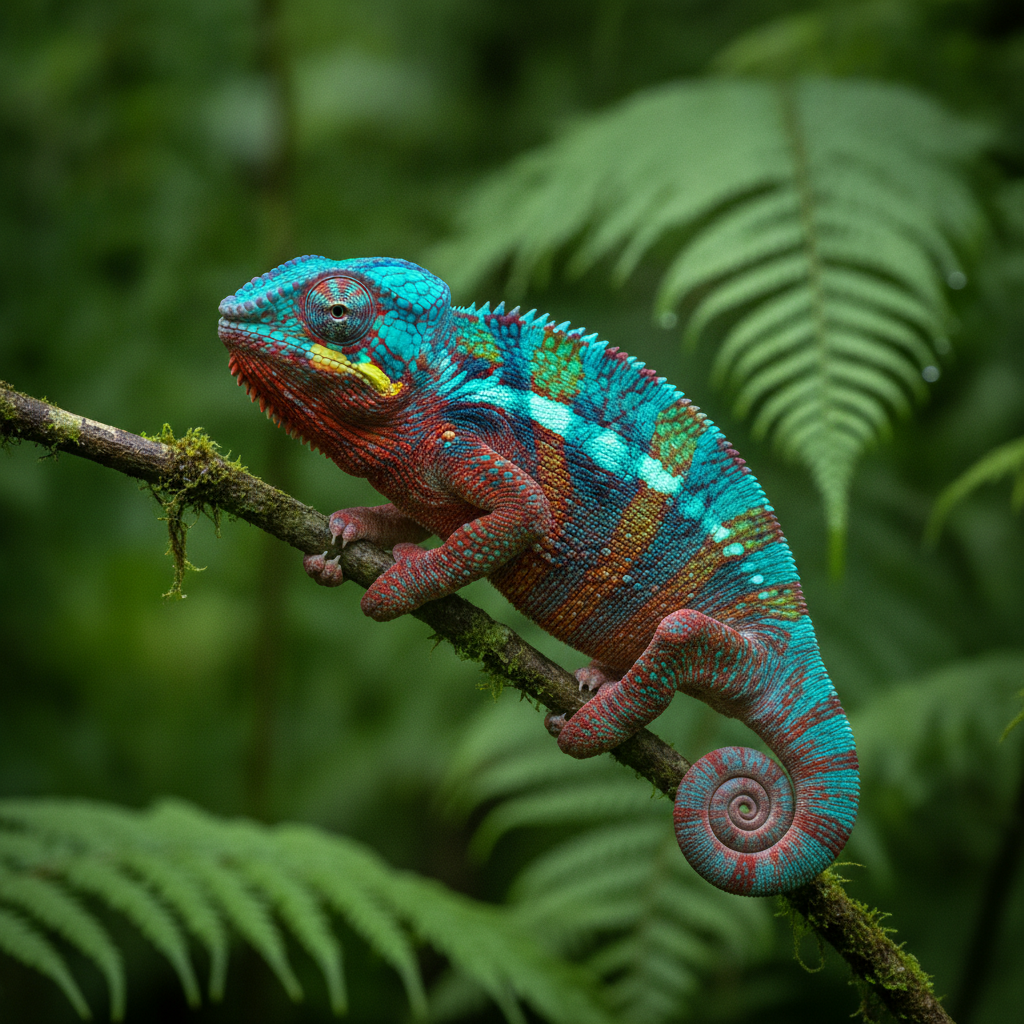
Madagascar has approximately 85-90 species of chameleon, representing approximately 40% of all chameleon species on earth. The chameleon color change: chameleons change color primarily for communication and temperature regulation (not for camouflage as popular belief suggests); the color change is controlled by the structural coloration of nanocrystals in specialized skin cells (iridophores) rather than by pigment. The Parson chameleon (Calumma parsonii): the world largest chameleon species, found in the rainforests of northeastern Madagascar, reaching up to 70 cm in length. The Brookesia micra: one of the world smallest reptiles (adult males approximately 16 mm long), discovered in 2012 on the island of Nosy Hara in northwestern Madagascar. The Furcifer pardalis (panther chameleon): the most colorful chameleon species, with males displaying extraordinary red, green, blue, and orange coloration depending on the locality of origin. Most chameleons are solitary and territorial; they communicate primarily through color signals.
- 2
The Fossa - Madagascar Apex Predator
The fossa (Cryptoprocta ferox): the largest carnivore endemic to Madagascar (body length approximately 75 cm plus a 65-cm tail, weight approximately 6-8 kg). Despite its cat-like appearance, the fossa is not related to cats; it belongs to the family Eupleridae, the endemic Madagascar carnivore family that evolved from a single mongoose ancestor approximately 18-20 million years ago. The fossa is the apex predator of the Madagascar forest: it hunts lemurs, birds, and small mammals, and is the primary predator of the ring-tailed lemur. The fossa is listed as Vulnerable by the IUCN, with an estimated total population of less than 2,500 adults. The Kirindy Dry Deciduous Forest Reserve (approximately 60 km north of Morondava in western Madagascar): the most reliable location for fossa sightings (the Kirindy is one of the few places where fossa can be reliably seen in the wild, particularly during the November-December mating season when males congregate in large trees).
- 3
The Route Nationale 7 - The Most Beautiful Road in Madagascar
The Route Nationale 7 (the RN7): the 1,000-km paved road from Antananarivo to Fort Dauphin (Taolagnaro) in the far southeast, the most traveled tourist route in Madagascar. The RN7 passes through: the central highland plateau (the market towns of Antsirabe and Ambositra), the highland escarpment descent (the switchback roads down into the southeastern tropical lowlands), the Isalo National Park (the sandstone canyons and natural pools), the sapphire mining town of Ilakaka, and the spiny forest of the deep south. The Antsirabe area (approximately 160 km south of Antananarivo): the highland resort town famous for its thermal springs (the name means the place with much salt in Malagasy: the reference is to the mineral-rich thermal waters), its pousse-pousse (the rickshaw bicycle transport unique to Madagascar), and its local gemstone and artisan industry. The Ambositra (approximately 260 km south of Antananarivo): the primary woodcarving center of Madagascar.
- 4
The Antananarivo Food and Market Scene
The Antananarivo food experience. The Analakely Market (the central Tana market, in the lower town below the Haute-Ville): the most accessible daily market in Antananarivo with fresh produce, spices, dried fish, zebu meat, and street food. The romazava (the Malagasy national stew): beef, pork, or zebu cooked with brèdes mafana (the Spilanthes plant, called toothache plant in English for the mild numbing sensation it produces in the mouth), tomatoes, and leafy greens. The ravitoto (cassava leaf and pork dish): the most distinctively Malagasy of the everyday dishes. The Malagasy rice (the vary in Malagasy: rice is the most sacred and culturally central food): multiple varieties of rice are grown in Madagascar (the ranovola: the toasted rice water, made by adding water to the pot with the scorched rice at the bottom and simmering, is the primary daily beverage). The vary amin anana (rice with greens and meat): the basic daily meal. The rooftop restaurants of the Haute-Ville area (the Sakamanga hotel restaurant, the Gasy Gourmand): the best mid-range Malagasy food experience in Tana.
- 5
Madagascar Marine Life - Whale Sharks, Humpback Whales, and Coral Reefs
Madagascar marine life: the western Indian Ocean around Madagascar supports exceptional marine biodiversity. The humpback whale (Megaptera novaeangliae): approximately 5,000-10,000 humpback whales migrate from their Antarctic feeding grounds to the warm waters around Madagascar to give birth between June and September. The primary humpback whale watching locations: the Bay of Antongil (the largest bay in Madagascar, in northeastern Madagascar) and the waters around Ile Sainte Marie (Nosy Boraha). The whale shark (Rhincodon typus, the world largest fish): regularly encountered in the waters around Nosy Be and in the Mozambique Channel. The Mozambique Channel (the sea between Madagascar and the African mainland): one of the world most biodiverse marine habitats. The coral reefs of Madagascar: the western coast has the most extensive coral reef system, partially protected in the Mitsio Archipelago and the Radama Island marine reserves. The octopus fishery: the artisanal octopus fishery of southwestern Madagascar is one of the most significant small-scale fisheries in the Indian Ocean, employing thousands of women who harvest octopus from the reef flats at low tide.
- 6
Antananarivo Four Routes Complete Madagascar Summary
Antananarivo four routes complete. Route 1: Madagascar fourth largest island (90% unique wildlife), Rova Merina palace, lemurs (105+ species, most threatened mammal order), Malagasy Austronesian-African culture, Ranomafana golden bamboo lemur, practical guide. Route 2: Tsingy de Bemaraha UNESCO limestone pinnacles, Avenue of the Baobabs, Isalo sandstone canyons, French colonial legacy and 1947 uprising, Malagasy music and famadihana. Route 3: Nosy Be perfume island and ylang-ylang, rainforest deforestation crisis, spiny forest endemic succulents, Madagascar vanilla (40-80% global supply), sapphires and poverty paradox. Route 4 (this route): chameleons (40% of world species), the fossa apex predator, the RN7 most beautiful road in Madagascar, the Tana food scene (romazava, ravitoto, ranovola), Madagascar marine life (humpback whales, whale sharks). Routes 5-6 still needed. The Madagascar experience: the most alien destination in Africa; where the flora and fauna belong to a world that diverged 88 million years ago; where the lemurs call in the rainforest canopy; where the limestone pinnacles rise razor-sharp from the flat western plain; and where the vanilla flowers must be hand-pollinated by human fingers because the natural pollinator never made it from Mexico to Madagascar.
Walk this route with audio
Stories play automatically as you reach each stop — no tapping needed.
More in antananarivo
Antananarivo: The Aye-Aye, Andasibe Indri Call, Queen Ranavalona, the Malagasy Language Origins, and the Fady Taboo System
Antananarivo: Nosy Be Beach Resort, Madagascar Rainforest Crisis, Spiny Forest, Vanilla Industry, and the Poverty Paradox
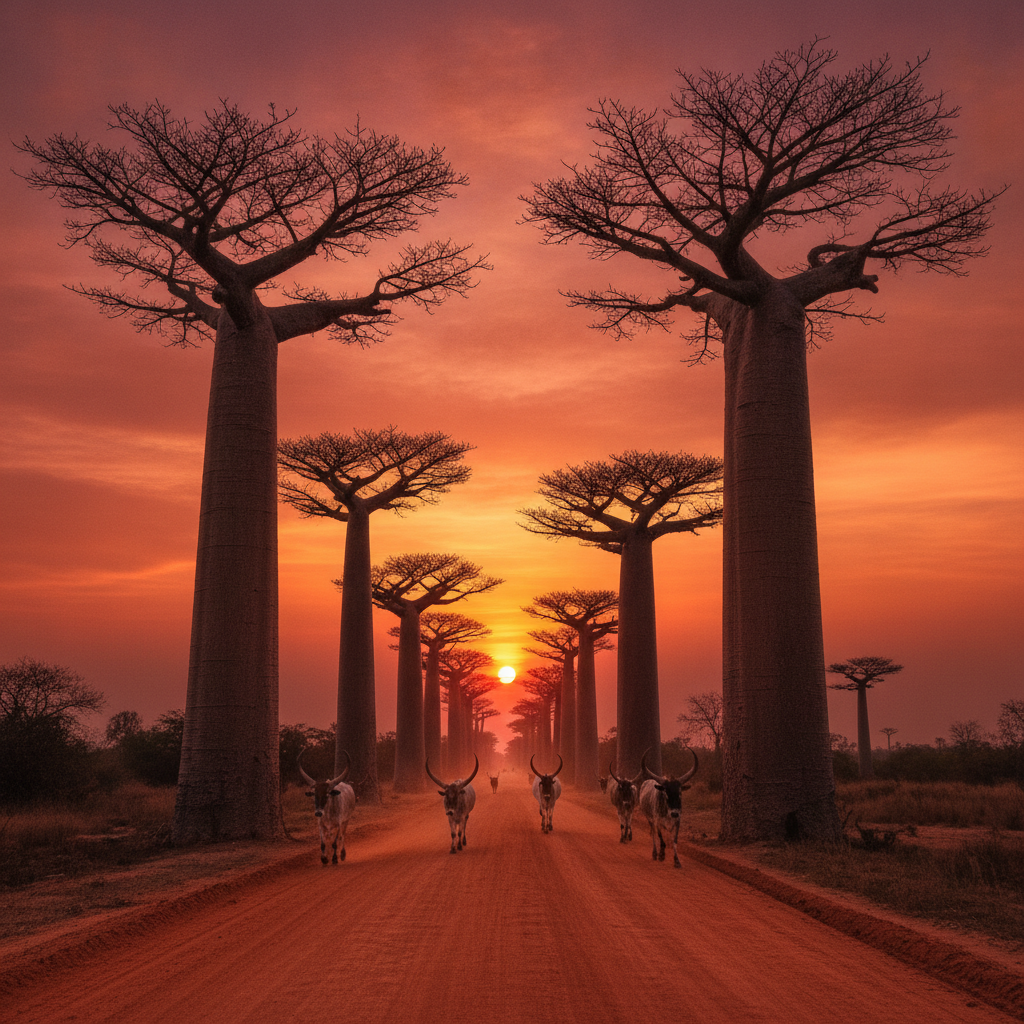
Antananarivo: Tsingy de Bemaraha, Avenue of the Baobabs, Isalo National Park, French Colonial History, and Malagasy Music
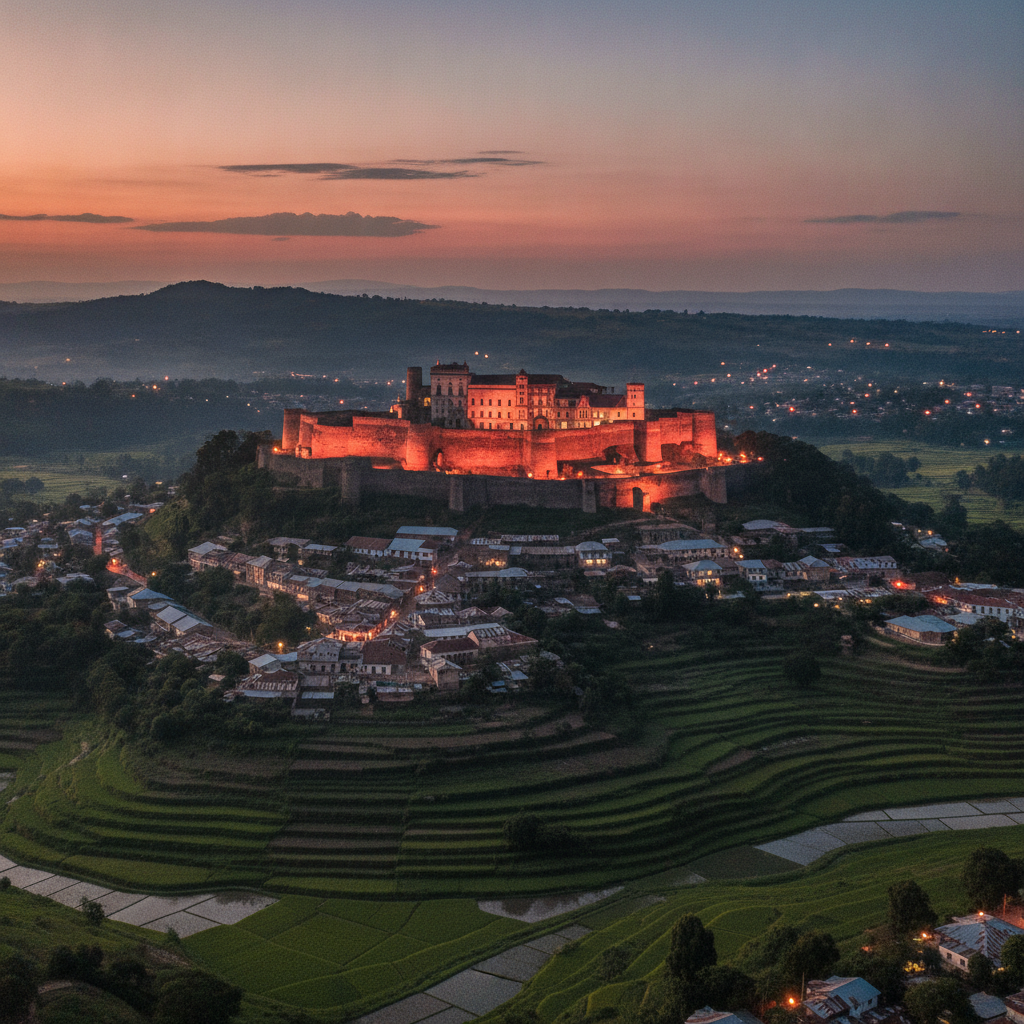
Antananarivo: The Red Island, the Rova Royal Palace, Lemurs, Malagasy Culture, Ranomafana Rainforest, and Practical Guide