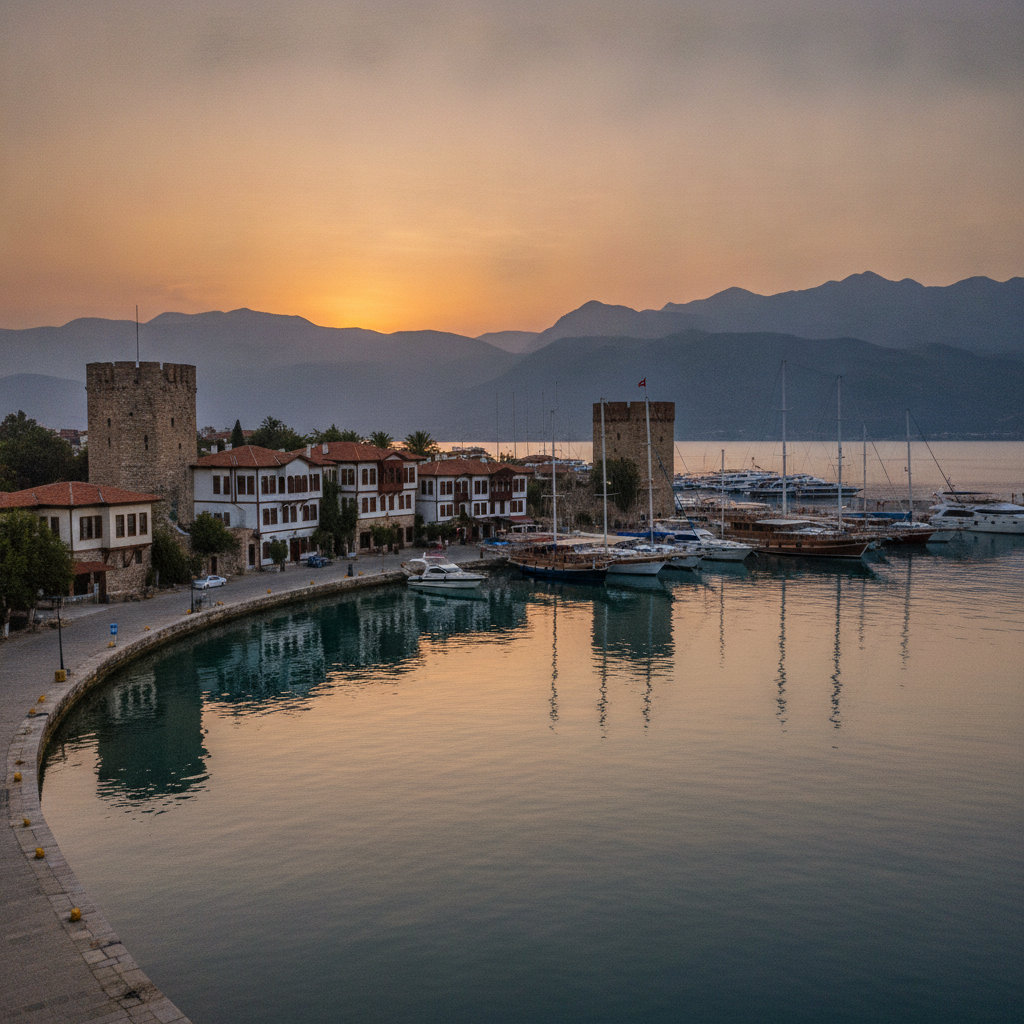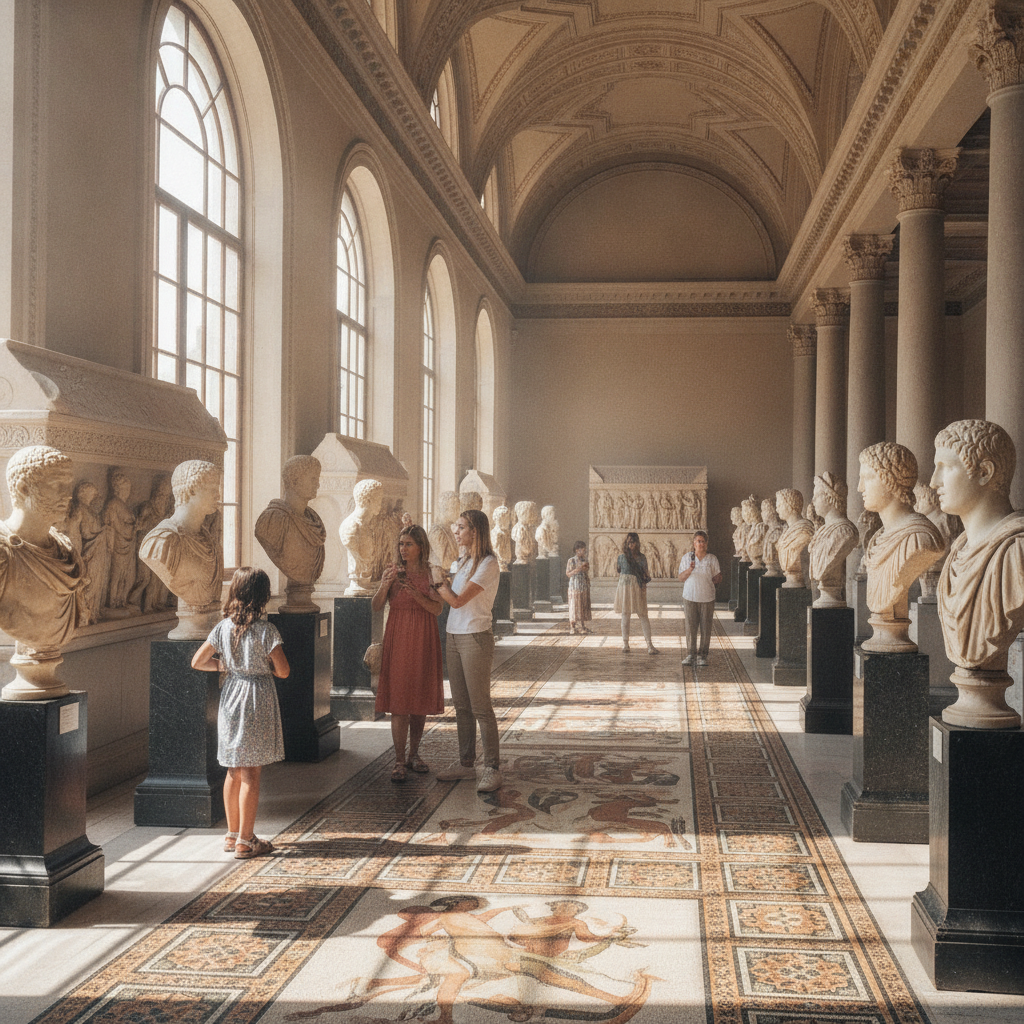
Antalya Museum: The World-Class Collection, Perge Portrait Statues, Roman Sarcophagi Gallery, Mosaic Hall, the Pamphylian Coins, and the Most Important Archaeological Museum in Mediterranean Turkey
The Antalya Museum route covers the Roman portrait statue collection from Perge as the finest in Turkey, the Roman sarcophagi gallery with the mythological scenes, the mosaic hall from the Roman villas, the Pamphylian coins collection, the prehistoric and ethnographic galleries, and why Antalya Museum is the most important archaeological museum in Mediterranean Turkey.
- 1
Perge Statues: The Finest Roman Collection in Turkey
The Antalya Museum houses the most important collection of Roman portrait and decorative sculpture in Turkey, with the Perge statues forming the core - the 10 over-life-size gallery statues from the Perge theatre stage building, the portrait statues of Plancia Magna the civic benefactress, the Apollo, the Artemis, the Aphrodite, and the Hermes from the Nymphaeum facade - together constituting a Roman sculpture collection that rivals the major European museums in quality if not in quantity. The Perge statues were moved to Antalya after the Perge excavations and provide the essential complement to the on-site Perge visit.
- 2
Roman Sarcophagi Gallery: The Mythology in Marble
The Roman sarcophagi gallery in the Antalya Museum, with the collection of the 2nd and 3rd century AD marble sarcophagi decorated with the relief carvings of the Labors of Herakles, the Amazonomachy, the Dionysian scenes, and the Medea myth, is the most complete collection of Roman mythological sarcophagi in a Turkish museum and the most instructive single collection for understanding how the Roman aristocracy used the visual mythology to frame the human experience of death and immortality. The Hercules sarcophagus from Side is the most elaborate single sarcophagus in the museum.
- 3
Mosaic Hall: The Villa Floor Decoration
The mosaic hall of the Antalya Museum, displaying the floor mosaics lifted from the Roman villa sites in the Antalya province and reassembled on the gallery floor and walls, preserves the most complete collection of Pamphylian Roman domestic mosaic decoration in Turkey. The Tethys mosaic from the sea goddess myth and the pastoral mosaic from the Villa of the Nile scene provide the most compositionally ambitious examples of the regional mosaic school that was active in the Antalya province in the 3rd and 4th centuries AD.
- 4
Pamphylian Coins: The Numismatic Collection
The Pamphylian coins collection in the Antalya Museum, covering the full sequence of the city-state coinage from the Perge, the Side, the Aspendos, and the Syllion mints from the 5th century BC to the Byzantine gold solidi, is the most complete single-region ancient coin collection in Turkey and the most accessible introduction to the local history of the Antalya province for the visitor who cannot read the Greek and Latin inscriptions on the monument bases. The rare Perge silver coin types are among the most beautiful ancient Greek coins in the museum.
- 5
Prehistoric Gallery: The Karain Cave and Beyond
The prehistoric gallery of the Antalya Museum, displaying the objects from the Karain Cave 27 kilometers north of Antalya - the most important Paleolithic site in Turkey with the continuous human habitation from 500,000 years ago to the Neolithic period - provides the deep time context for the Antalya archaeological heritage that the Roman monuments tend to overshadow. The Karain Cave itself is accessible to the visitor and the combination of the cave visit and the museum gallery provides the most complete Paleolithic sequence available in Mediterranean Turkey.
- 6
Antalya Museum Practical: Visiting and Photography
The Antalya Museum, open daily from 9am to 7pm with the extended hours in the summer season, requires 2 to 3 hours for a comprehensive visit and is located 2 kilometers west of the Kaleici old town on the Konyaalti road, accessible by the municipal tram or taxi. The photography with the mobile phone is permitted in the galleries without flash, making the Antalya Museum the most photography-accessible major archaeological museum in Turkey. The museum shop has the best selection of academic publications on the Antalya region archaeology of any Turkish regional museum.
Walk this route with audio
Stories play automatically as you reach each stop — no tapping needed.
More in Antalya
Antalya Bay Boat Tour: Coves, Ruins & Sea Caves
Düden Waterfalls & Antalya's Green Canyon
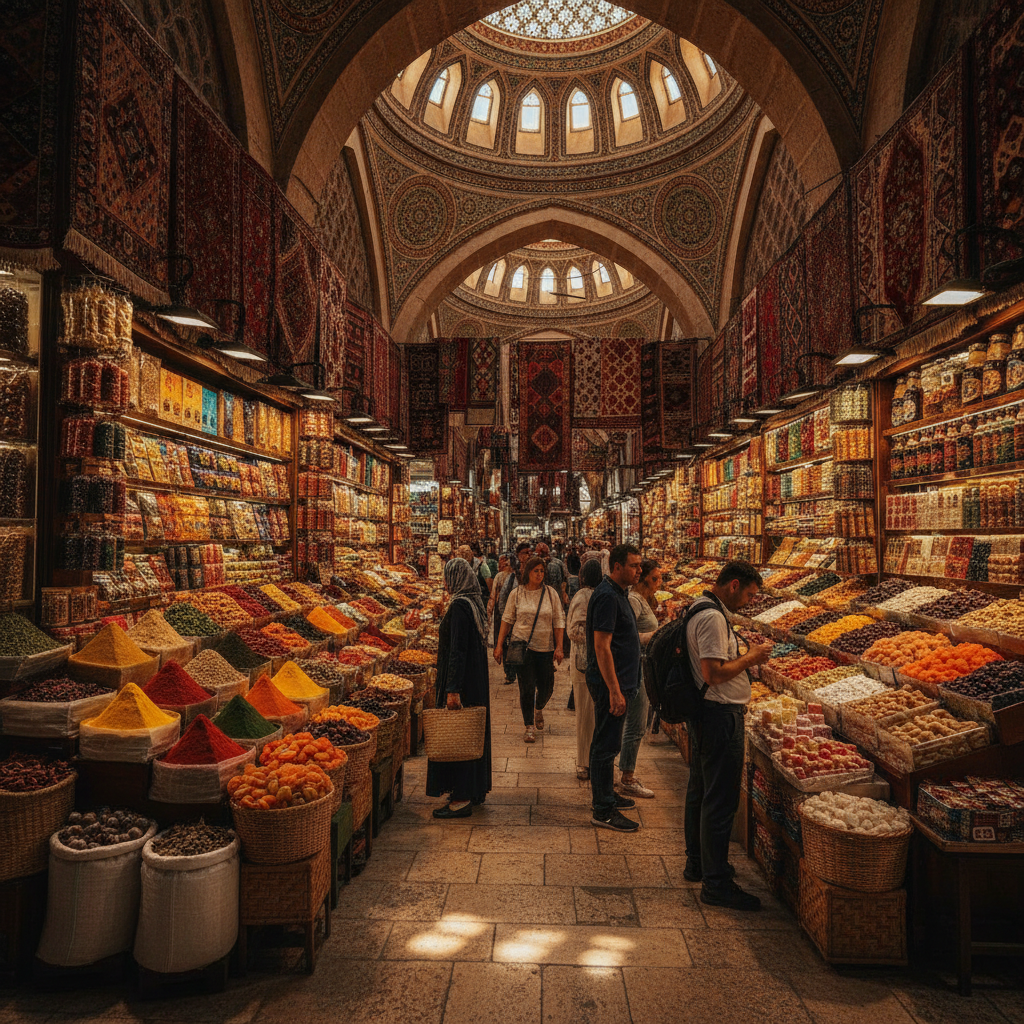
Antalya Food and Culture: The Bazaar and Spice Market, Turkish Cooking Class, Fresh Fish at the Harbour, Pide and Kebab in the Old Town, the Antalya Hamam Tradition, and the Cultural Evening Program
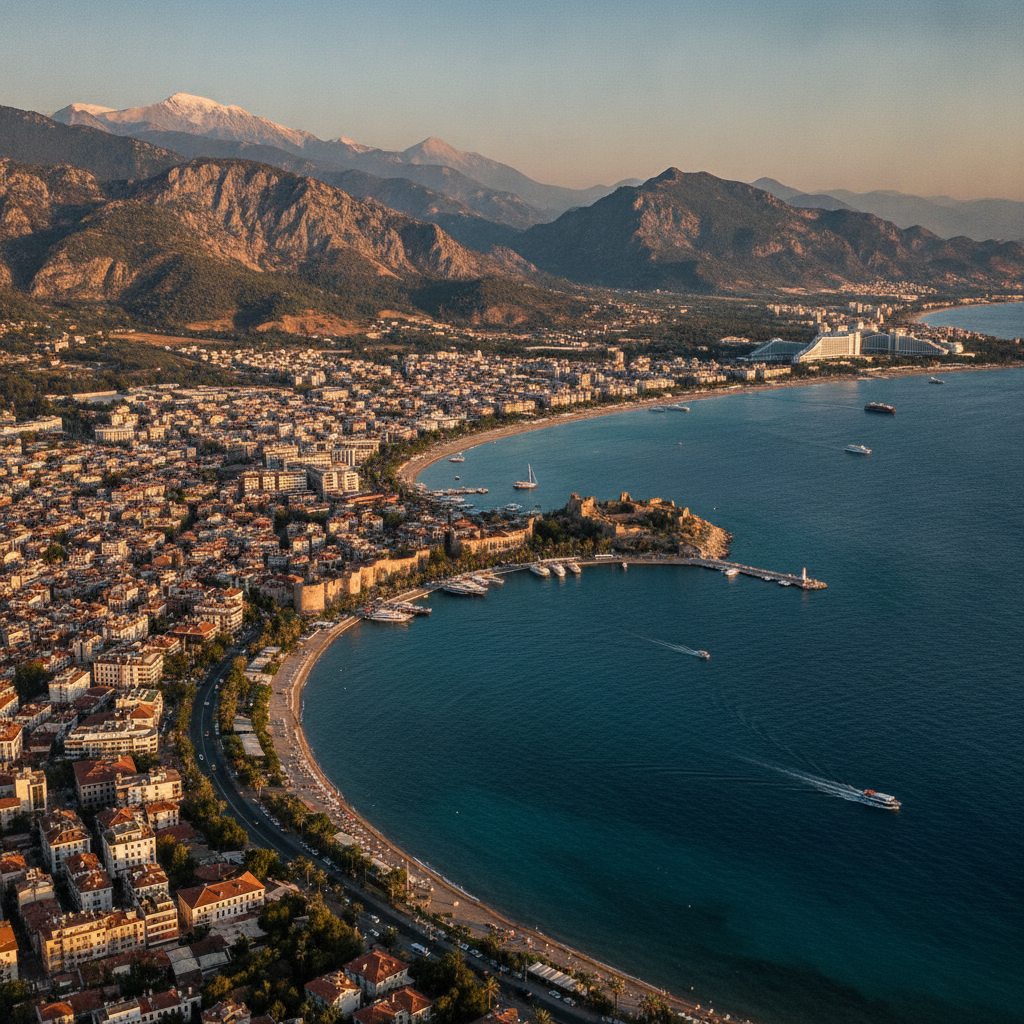
Antalya Practical and Departure: Lara Beach Resort Hotels, Airport Transport, Kaleici Boutique Options, the Fethiye Onward Journey, the Antalya Summary as Turkey Best Mediterranean Base, and Departure Planning
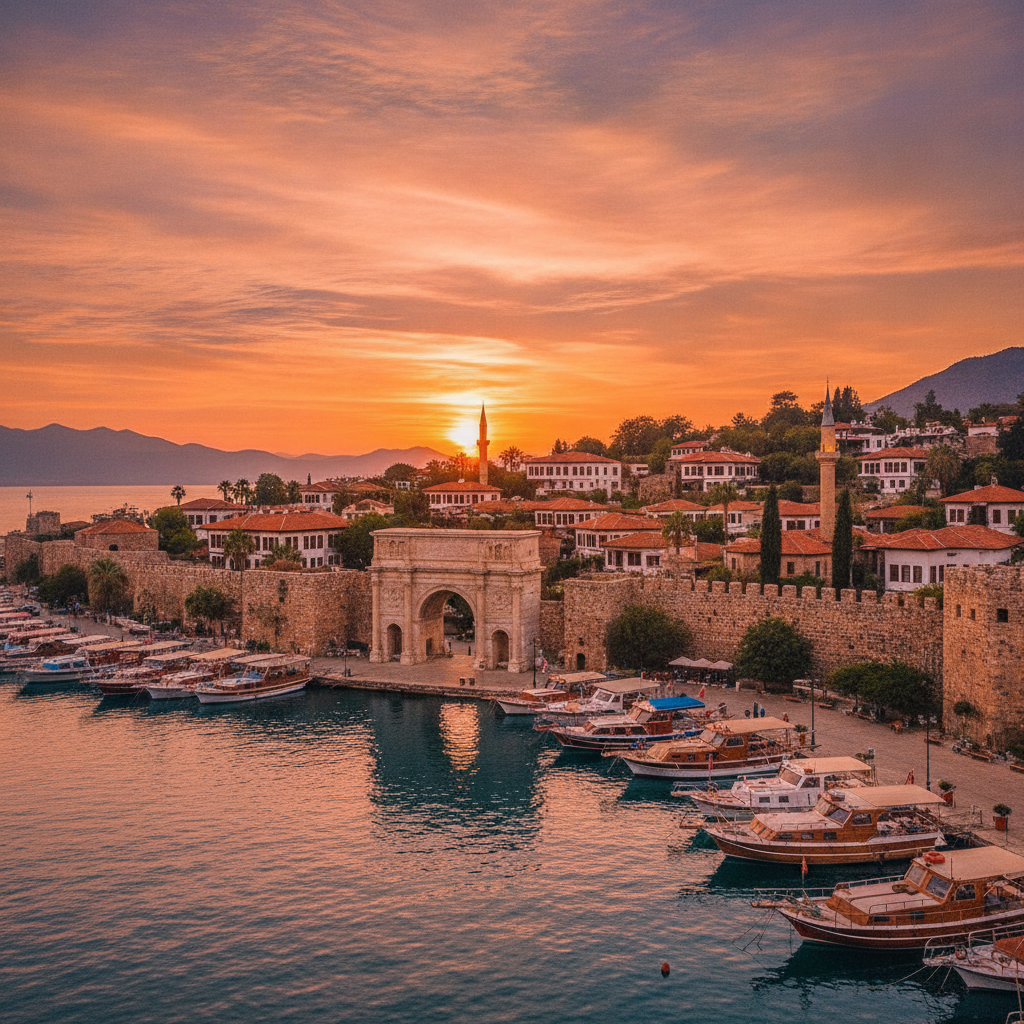
Antalya's Kaleiçi Old Town & Roman Harbour