Anchorage: Native Culture, Wilderness City and the World Cargo Hub
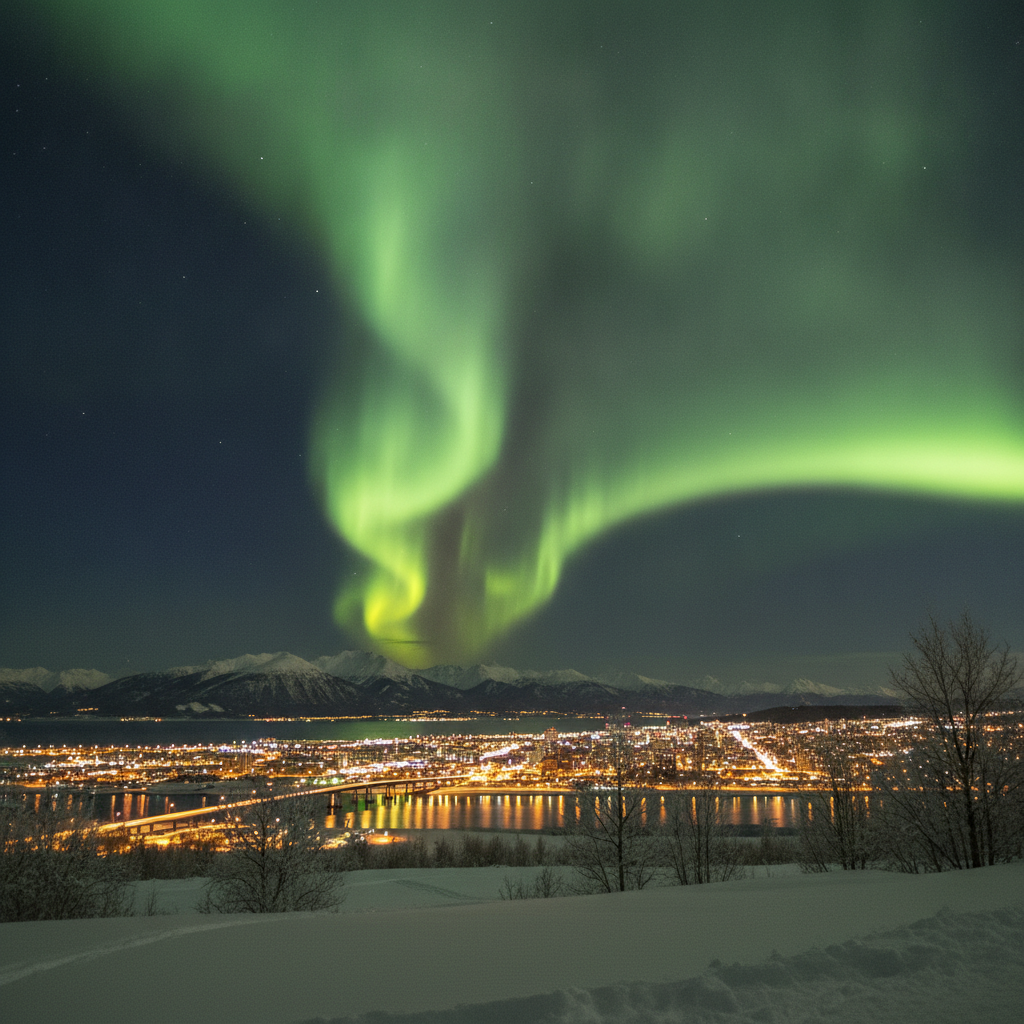
Experience 11 Alaska Native cultural groups at the Heritage Center, hike Flattop Mountain above the city for Denali views, explore 14,000 years of Alaska history at the Chipperfield-designed museum, cheer Iditarod mushers on Fourth Avenue, watch critically endangered Cook Inlet beluga whales from the coastal trail, and learn why this subarctic city handles more cargo tonnage than most of the world airports.
- 1
Alaska Native Heritage Center
The Alaska Native Heritage Center at 8800 Heritage Center Drive, opened in 1999, is the primary institution in Anchorage for interpreting the cultures of Alaska 11 recognized cultural groups: Athabascan, Yupik, Cup ik, Inupiaq, Unangax, Alutiiq, Eyak, Tlingit, Haida, Tsimshian, and the peoples of Southeast Alaska. The 26-acre campus contains a welcome house for performances and demonstrations, a lake surrounded by five authentic dwellings representing different architectural traditions from sod houses to plank houses, and seasonal cultural demonstrations of traditional skills including kayak building, skin sewing, and drumming. The center works with Native organizations to ensure programming is community-controlled and culturally accurate. Admission is 24.95 dollars for adults with Native Alaska residents admitted free. The center receives over 80,000 visitors annually.
- 2
Chugach State Park and Flattop Mountain
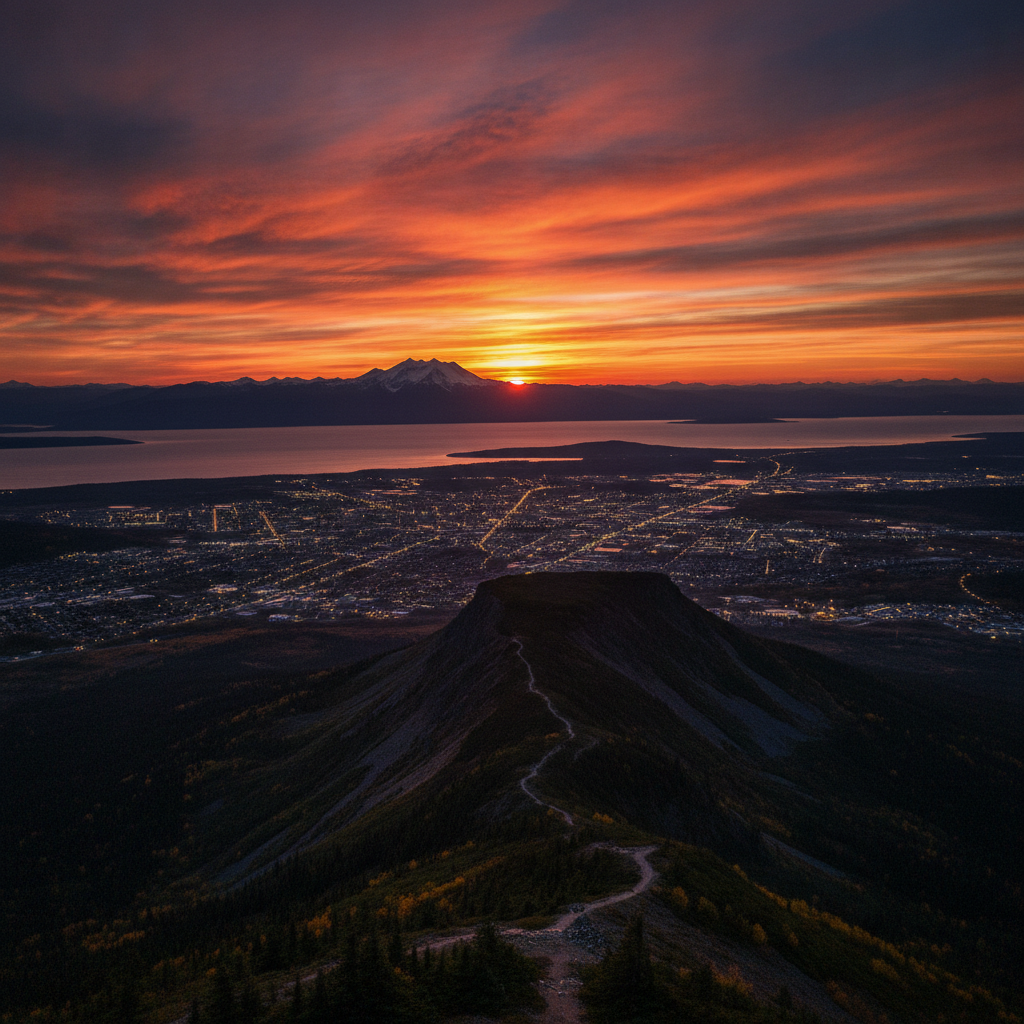
Chugach State Park, at 495,000 acres the third largest state park in the United States, begins at the eastern edge of Anchorage and extends across the Chugach Mountains providing extraordinary wilderness access from an urban area. Flattop Mountain, at 3,510 feet the most climbed peak in Alaska, rises directly above the city and can be reached in under two hours from downtown via the Glen Alps trailhead. The summit provides panoramic views of Anchorage, Cook Inlet, Mount Susitna, and on clear days Denali 130 miles to the north. The park contains over 150 miles of maintained trails, glaciers including Eklutna Glacier accessible by trail, and river corridors supporting brown bear, moose, Dall sheep, and wolverine within city boundaries. The Powerline Trail, an 11-mile route through the park on an old utility corridor, is one of the most popular mountain bike routes in Alaska.
- 3
Anchorage Museum at Rasmuson Center
The Anchorage Museum at Rasmuson Center, the largest museum in Alaska at 180,000 square feet following a 2009 expansion designed by David Chipperfield Architects, holds permanent collections of Alaska art, history, and science with over 25,000 objects. The Alaska Gallery traces 14,000 years of human presence in Alaska through artifacts, photographs, and interpretive displays. The Smithsonian Arctic Studies Center, a collaboration with the Smithsonian Institution, displays over 600 Alaska Native objects in a room designed in consultation with Native communities, with elders available seasonally to provide cultural interpretation. The museum planetarium presents programs on Alaska aurora borealis and the extreme astronomical conditions of the subarctic. The museum cafe sources ingredients from Alaska farms and fisheries.
- 4
Iditarod Trail Sled Dog Race
The Iditarod Trail Sled Dog Race, run each March from Anchorage to Nome over approximately 1,000 miles of trail through Interior and Western Alaska, is the world longest sled dog race and Alaska most celebrated sporting event. The ceremonial start takes place on Fourth Avenue in downtown Anchorage on the first Saturday of March, with crowds of over 50,000 lining the course to see mushers and their teams begin the journey. The competitive restart takes place in Willow, 70 miles north of Anchorage, where actual timing begins. The race commemorates the 1925 serum run to Nome, when 20 mushers and 150 dogs relayed diphtheria antitoxin 674 miles in 5.5 days to prevent an epidemic. The Iditarod Trail was designated a National Historic Trail in 1978. Top mushers including Susan Butcher, who won four times, and Rick Swenson, who won five, have become Alaska cultural icons.
- 5
Cook Inlet and Beluga Whales
Cook Inlet, the 180-mile-long arm of the Pacific Ocean that defines the western edge of Anchorage and the Kenai Peninsula, is home to one of the smallest and most isolated populations of beluga whales in the world, estimated at approximately 279 animals in 2022 and listed as critically endangered. The Cook Inlet beluga population has declined from an estimated 1,300 in the 1980s due to hunting, habitat degradation, and noise pollution. The endangered population is distinct genetically from belugas in other Alaska waters and Arctic regions. Belugas are frequently visible from the Tony Knowles Coastal Trail in Anchorage from May through October. The National Oceanic and Atmospheric Administration has designated critical habitat for the Cook Inlet beluga and operates a monitoring program from Anchorage that tracks the population through aerial surveys.
- 6
Anchorage International Airport and Arctic Hub
Ted Stevens Anchorage International Airport is one of the busiest cargo airports in the world, ranking consistently in the top 5 globally by total cargo tonnage due to its position as a refueling and sorting hub for air cargo transiting between Asia and North America. Great circle routes between major Asian cities and US and European destinations pass directly over Alaska, making Anchorage the optimal midpoint for cargo that cannot fly the full transoceanic distance without refueling. FedEx, UPS, and dozens of Asian carriers use Anchorage as a hub. The airport handled over 2.7 million metric tons of cargo in recent years. The airport is also the hub for the Alaska bush flying network, with dozens of small operators flying to remote villages that have no road access. The Merrill Field small aircraft airport adjacent to the international airport handles the majority of private and charter light aircraft operations.
Walk this route with audio
Stories play automatically as you reach each stop — no tapping needed.
More in Anchorage
Anchorage: Denali, Chugach Mountains, Alaska Railroad, Iditarod, Kenai Fjords, the 1964 Earthquake, and Practical Info
Anchorage: Alaska History and Statehood, Seward Highway, Neighborhoods, Glacier Trekking, Economy, and Kenai Salmon Fishing
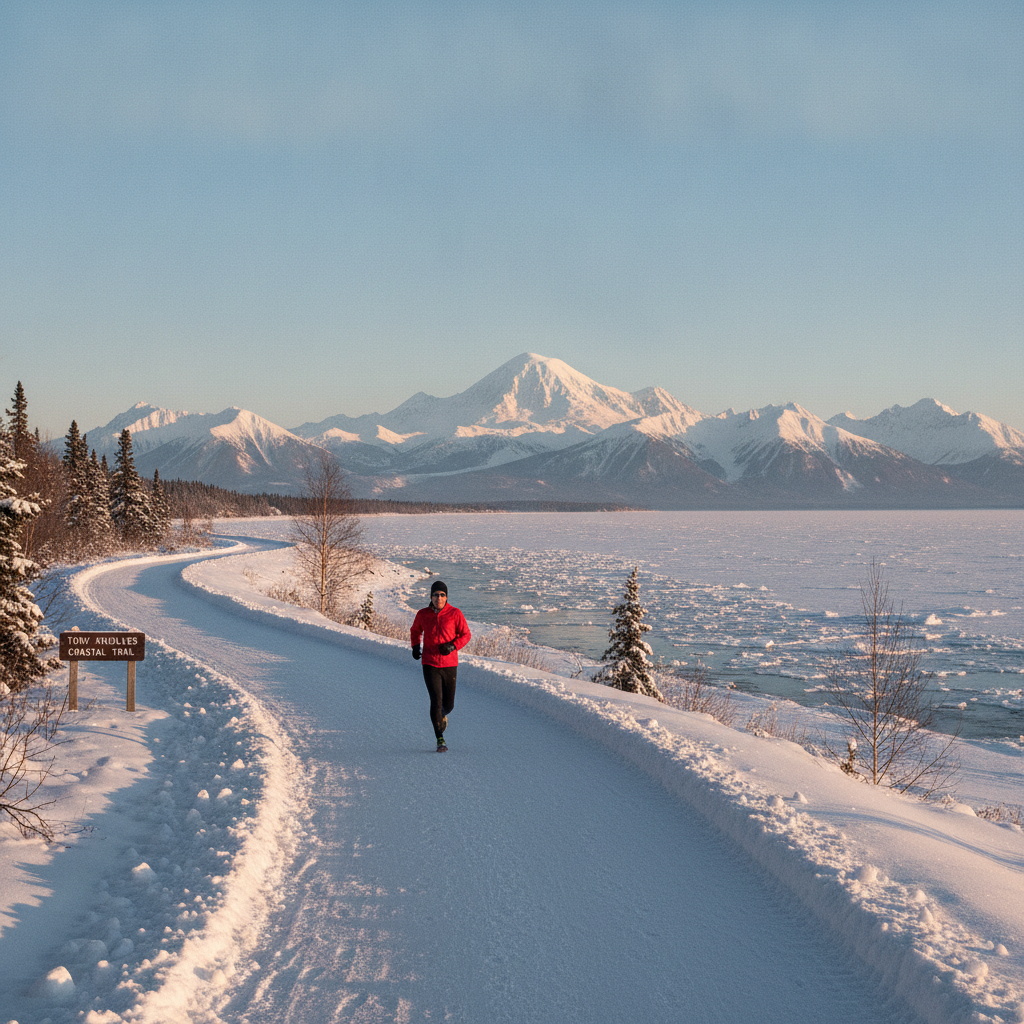
Anchorage: Kincaid Park, Inside Passage, Climate Change in Alaska, Arts Scene, Winter Northern Lights, and Day Hiking
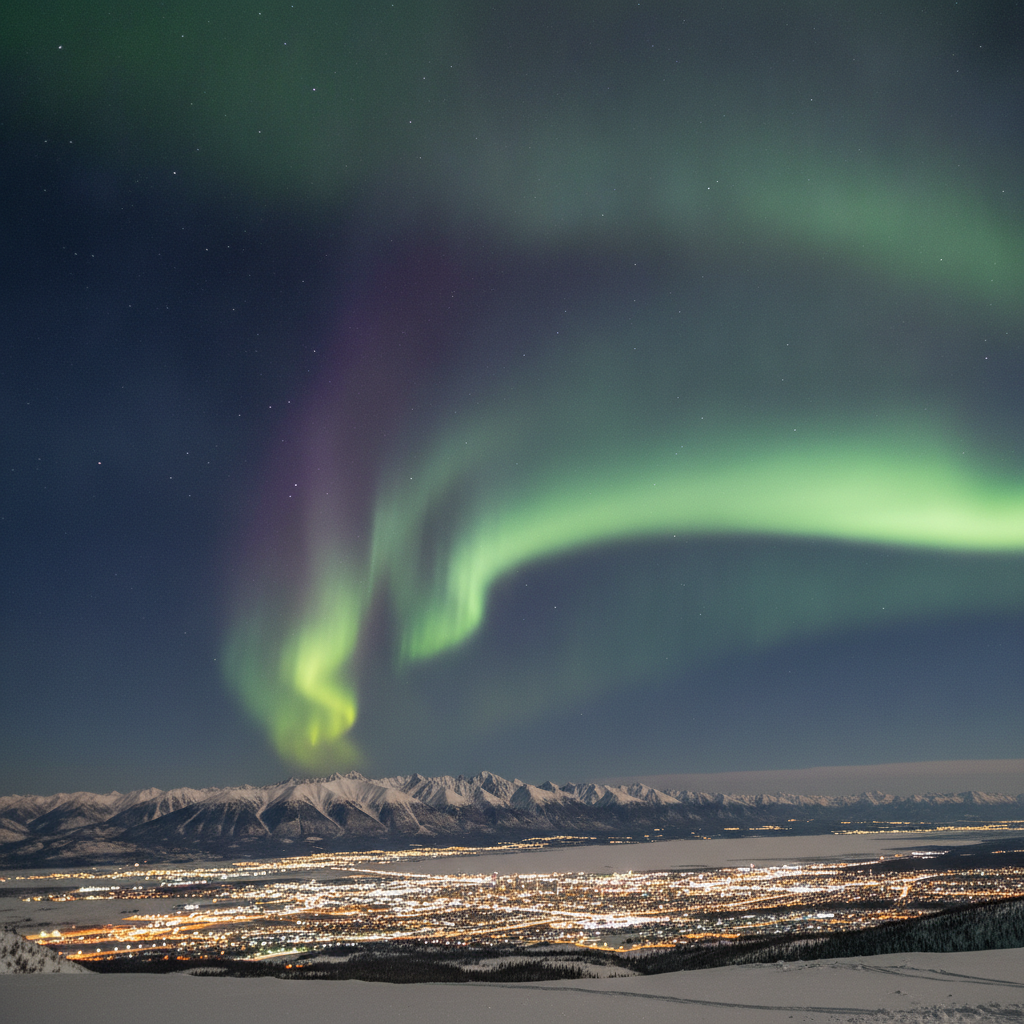
Anchorage: Alaska Native Heritage, Anchorage Museum, Matanuska Valley, Wildlife, Alaska Highway, and the Aurora Borealis
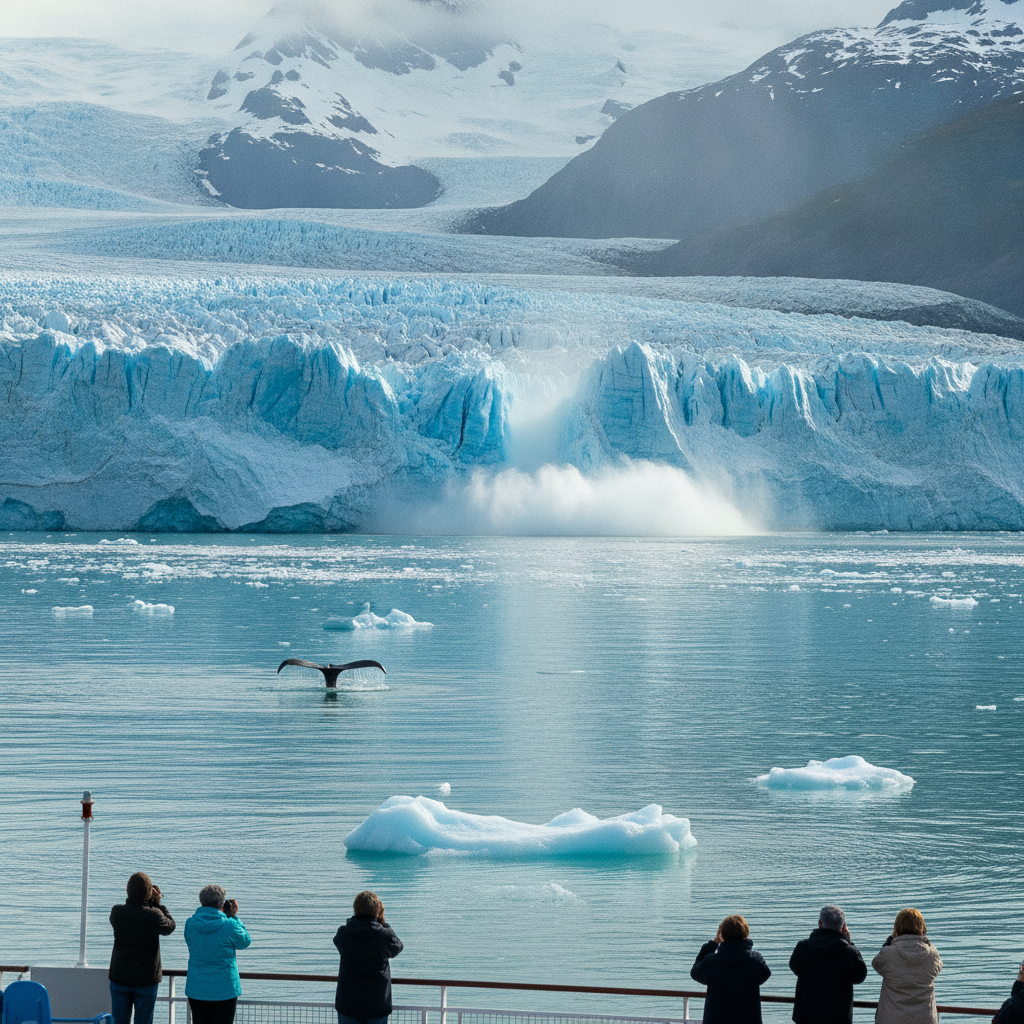
Anchorage: Fjord Glaciers, Urban Moose and the Earthquake That Changed Building Codes