Anchorage: Fjord Glaciers, Urban Moose and the Earthquake That Changed Building Codes
Cruise to calving tidewater glaciers in Kenai Fjords, visit Eklutna spirit house burial ground blending Athabascan and Orthodox traditions, stand in the Turnagain Heights neighborhood still showing 1964 earthquake subsidence, watch a moose eat your neighbor garden, ski Alyeska 3,939-foot vertical, and see Cook Inlet and Denali from Resolution Park.
- 1
Kenai Fjords National Park Day Trip
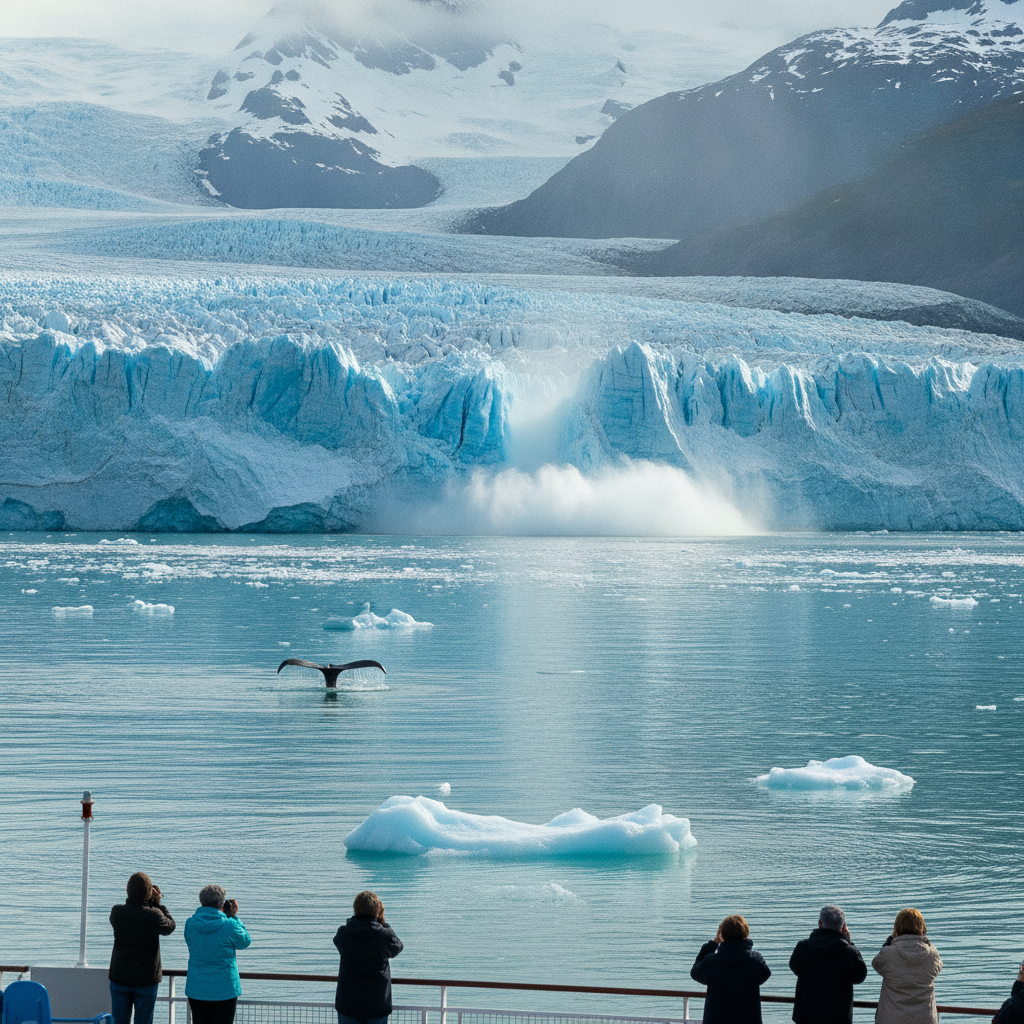
Kenai Fjords National Park, 130 miles south of Anchorage near Seward, protects 700,000 acres of coastal wilderness including the Harding Icefield, one of the largest icefields in the United States at 700 square miles. Exit Glacier, accessible by road from Seward, is one of the few places in Alaska where visitors can walk to the edge of a glacier from a road. Day cruise boats from Seward operate into the fjords where tidewater glaciers calve into the ocean and wildlife concentrations are extraordinary: humpback whales, orcas, Steller sea lions, Dall porpoises, sea otters, puffins, and thousands of seabirds concentrate in the nutrient-rich waters. The park was established in 1980 under the Alaska National Interest Lands Conservation Act, the largest expansion of conservation land in US history at 47 million acres created in a single piece of legislation.
- 2
Eklutna Village and Athabascan Heritage
Eklutna Village, 26 miles north of Anchorage at the mouth of the Eklutna River, is one of the oldest continuously inhabited sites in the Cook Inlet region, occupied by Dena ina Athabascan people for approximately 1,000 years. The village contains the Eklutna Historical Park, where a Russian Orthodox church built in the 1800s stands alongside a traditional burial ground of decorated spirit houses placed over graves according to a custom that blends Russian Orthodox and Dena ina spiritual traditions. Each spirit house is painted in the family colors and decorated with personal objects of the deceased. The Dena ina Athabascan people were the indigenous inhabitants of the entire Cook Inlet region before Russian contact in the 1780s and remain a cultural presence in the Anchorage area. The Eklutna Lake Recreation Area behind the village provides kayaking, camping, and hiking.
- 3
Anchorage Earthquake Heritage and 1964 Good Friday
The 1964 Good Friday Earthquake, striking at 5:36 PM on March 27, 1964, was the most powerful earthquake ever recorded in North America at magnitude 9.2 and the second most powerful ever recorded worldwide. The earthquake lasted four to five minutes and caused massive land subsidence in Anchorage, dropping the Turnagain Heights neighborhood up to 16 feet. The resulting destruction, combined with tsunamis generated by the quake, killed 139 people across Alaska and caused 311 million dollars in damage in 1964 dollars. The earthquake fundamentally changed building codes and seismic engineering standards worldwide. The Alaska Earthquake Center at the University of Alaska Fairbanks monitors Alaska seismicity continuously. Turnagain Arm south of Anchorage, visible along the Seward Highway, shows the dramatic coastal changes caused by land subsidence in 1964.
- 4
Moose on the Loose and Urban Wildlife
Anchorage is one of the few cities in the world where large dangerous wildlife routinely enters residential and commercial areas. Moose, numbering roughly 1,500 in the municipality, wander through neighborhoods, eat ornamental shrubs, and occasionally charge residents. The Alaska Department of Fish and Game responds to over 200 moose calls per year in the Anchorage bowl. Brown bears occasionally enter the city from Chugach State Park. Dall sheep are visible on the cliffs above the city near the Seward Highway. Black bears, bald eagles, coyotes, and ptarmigan round out the urban wildlife encounters that Anchorage residents consider routine. The moose population benefits from the city extensive greenbelt system and the lack of predator pressure within the urban boundary. Wildlife encounters are a significant draw for visitors from urban areas who have never seen large wild animals at close range.
- 5
Anchorage Ski Areas and Nordic Trails
Anchorage supports three downhill ski areas within 40 miles of downtown: Alyeska Resort in Girdwood, 40 miles south on the Seward Highway, which is the largest resort in Alaska with 76 trails and 3,939 feet of vertical drop; Hilltop Ski Area within city limits; and Arctic Valley Ski Area managed by the municipality. Alyeska hosted the 1994 and 2011 FIS Alpine World Cup events and draws skiers from Japan, particularly because it is marketed heavily in the Japanese tourist market that has maintained a strong connection to Anchorage since the 1970s. The Kincaid Park cross-country ski trail network, 3 miles west of downtown along Cook Inlet, was built for the 1994 Olympic trials and the 1998 Arctic Winter Games and contains 40 kilometers of trails groomed for skate and classic skiing from November through March.
- 6
Anchorage Downtown and Resolution Park
Resolution Park, at the top of the bluff at the western end of Fifth Avenue overlooking Cook Inlet, contains a bronze statue of Captain James Cook erected in 1978 to mark the 200th anniversary of his voyage into Cook Inlet in 1778. Cook was searching for the Northwest Passage but found no through route in the inlet that now bears his name. The park provides views of Mount Susitna, known locally as the Sleeping Lady for her profile, and on clear days Mount Foraker and Denali to the north. The adjacent Fourth Avenue Theatre, a 1947 Art Deco building with a dramatic Alaska-themed lobby ceiling, was the premier entertainment venue in Anchorage for decades. The Anchorage Market and Festival at Third and E Street, operating weekends from May through September, is the largest outdoor market in Alaska with over 300 vendors.
Walk this route with audio
Stories play automatically as you reach each stop — no tapping needed.
More in Anchorage
Anchorage: Denali, Chugach Mountains, Alaska Railroad, Iditarod, Kenai Fjords, the 1964 Earthquake, and Practical Info
Anchorage: Native Culture, Wilderness City and the World Cargo Hub
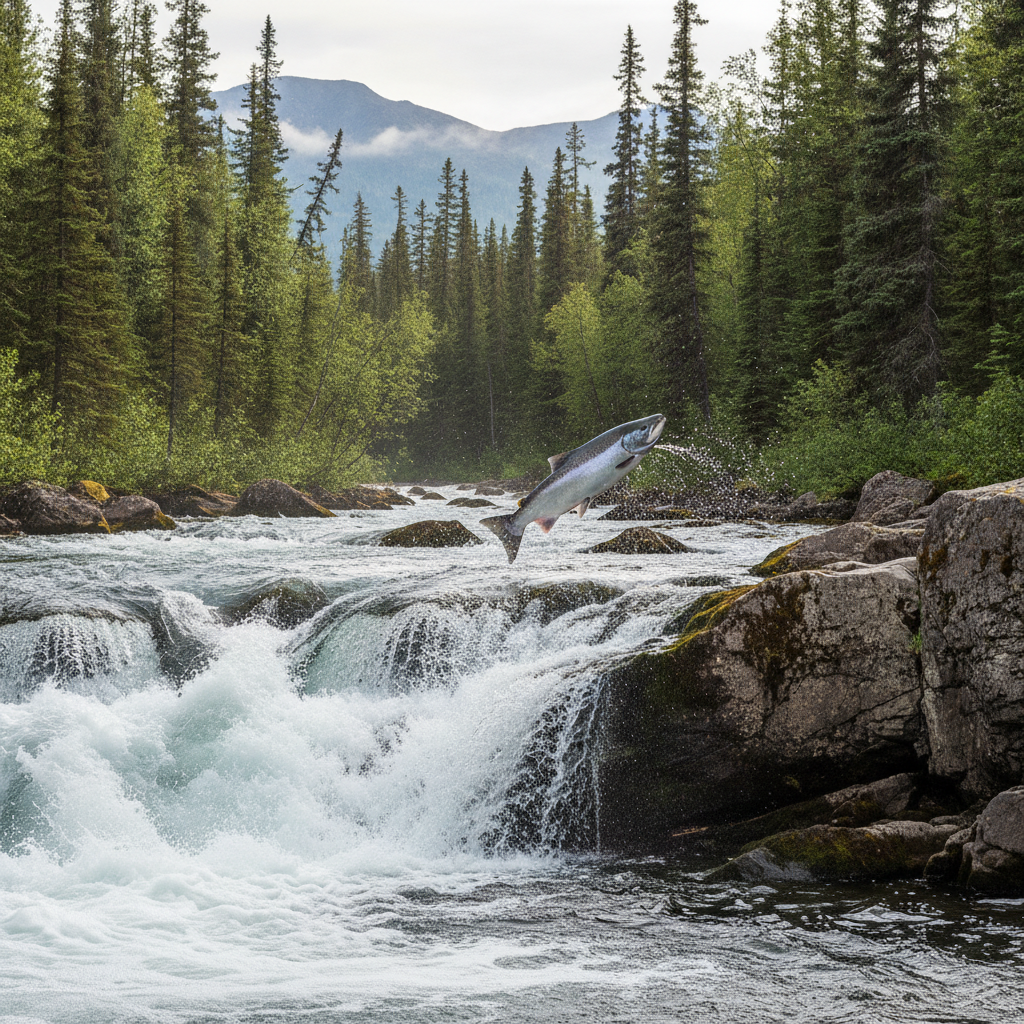
Anchorage: Alaska History and Statehood, Seward Highway, Neighborhoods, Glacier Trekking, Economy, and Kenai Salmon Fishing
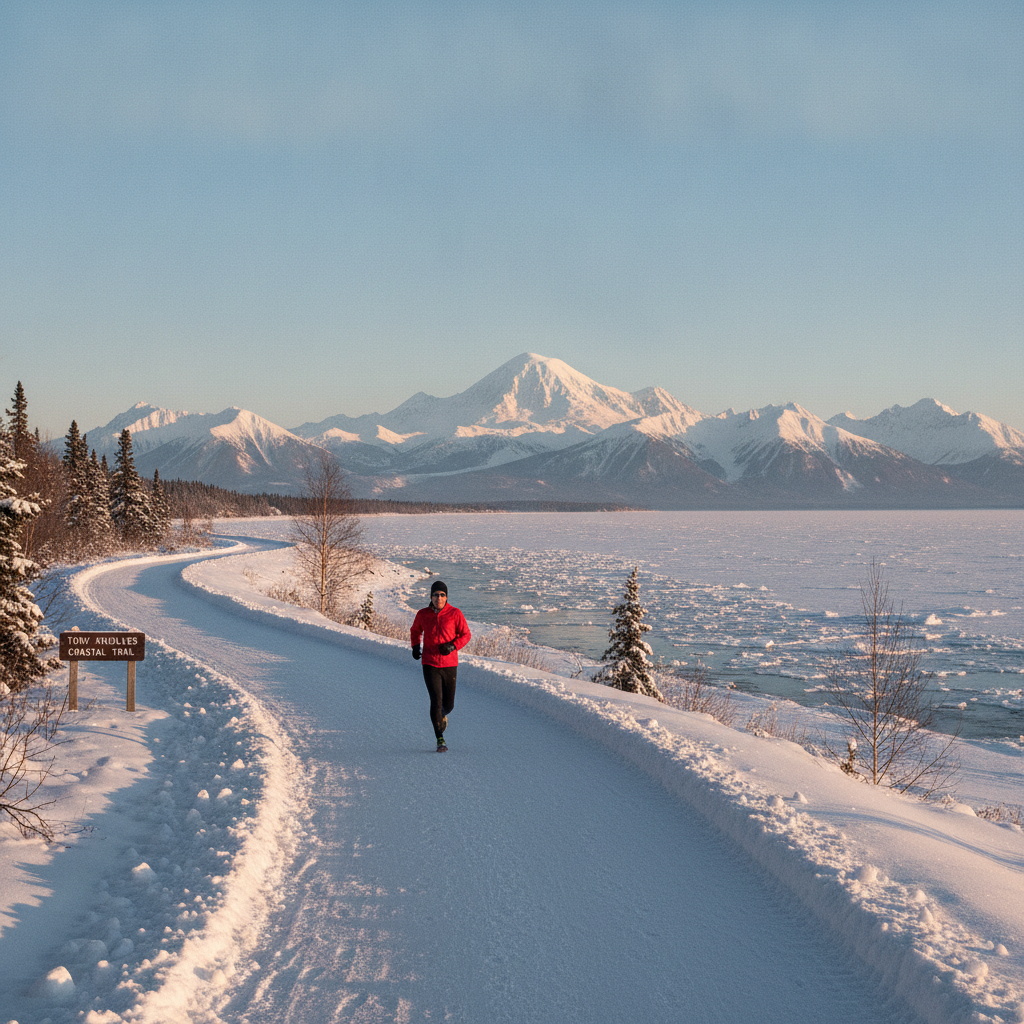
Anchorage: Kincaid Park, Inside Passage, Climate Change in Alaska, Arts Scene, Winter Northern Lights, and Day Hiking
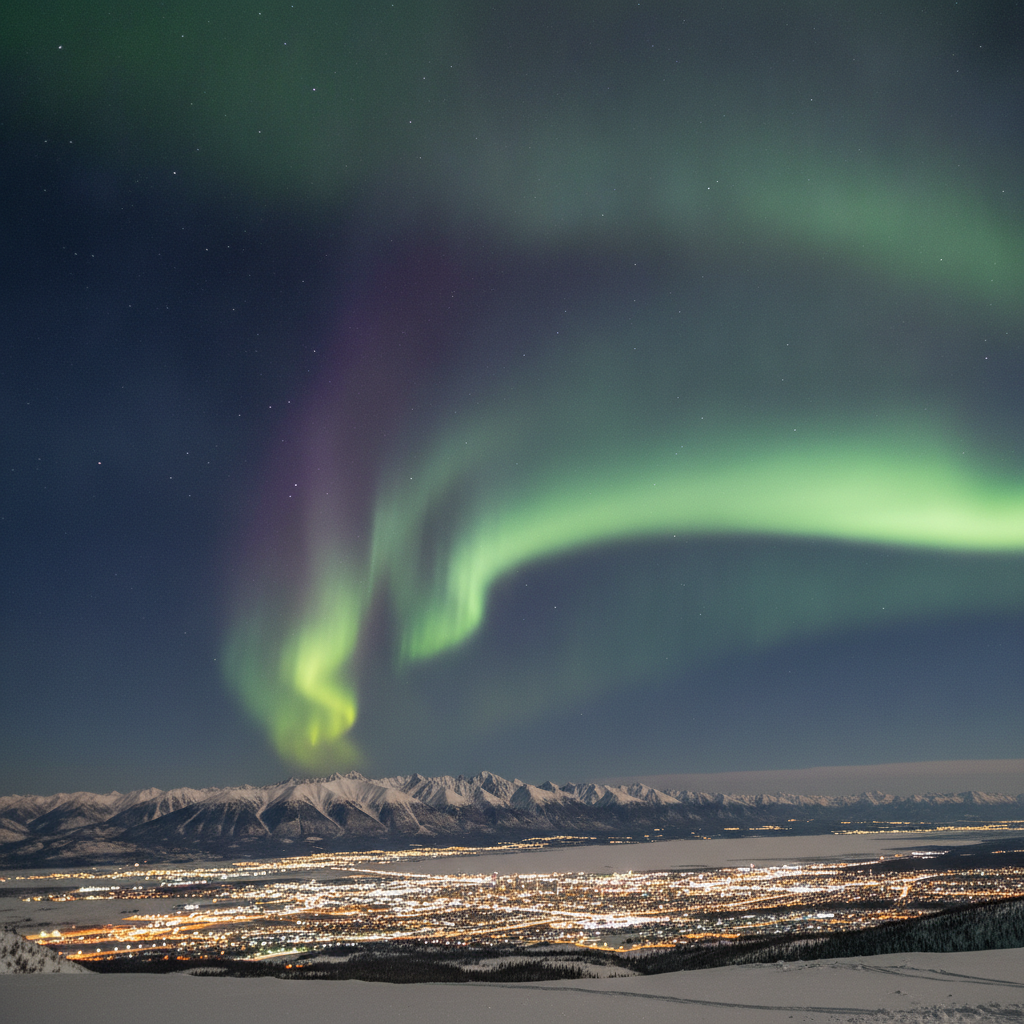
Anchorage: Alaska Native Heritage, Anchorage Museum, Matanuska Valley, Wildlife, Alaska Highway, and the Aurora Borealis