Amalfi Lemons — Sfusato Amalfitano, Limoncello Production & the Furore Fjord
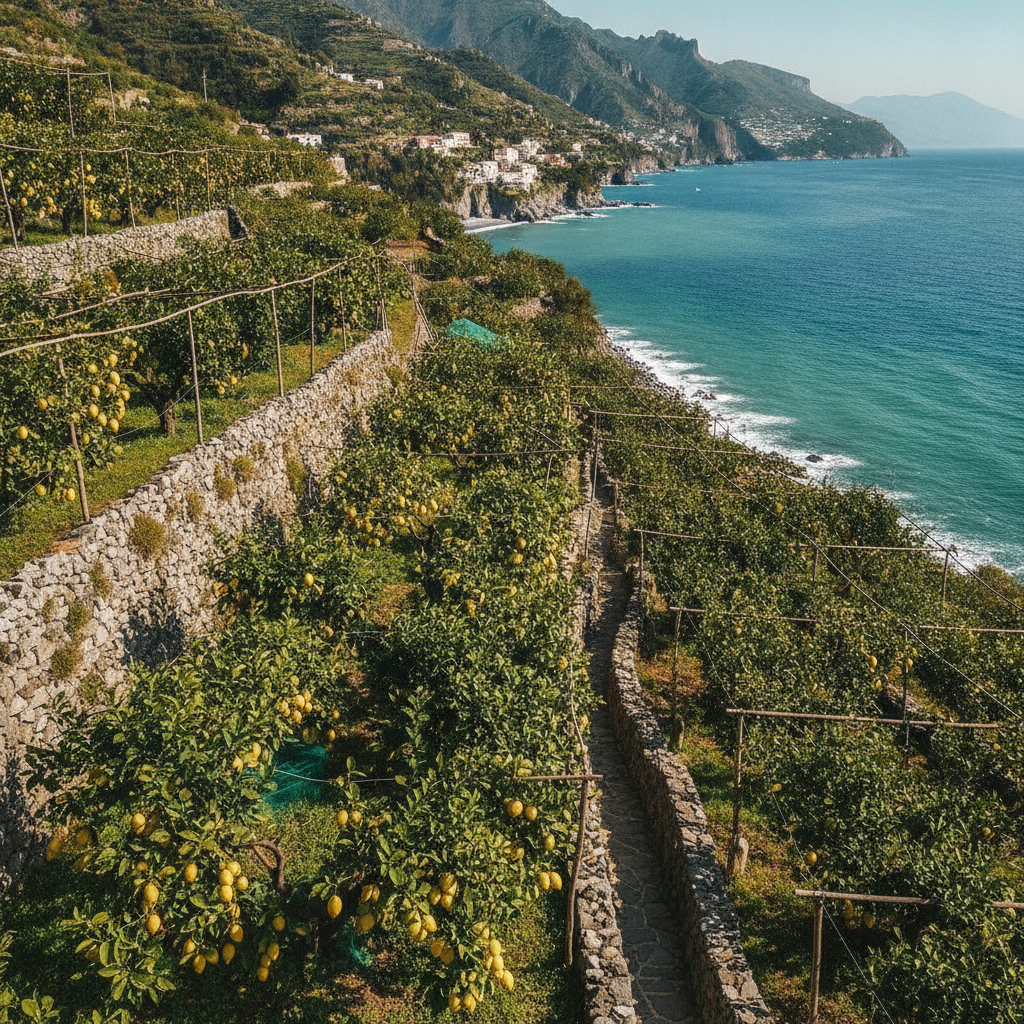
The Amalfi lemon (Limone Costa d Amalfi IGP, the sfusato amalfitano variety — spindle-shaped, large, pale-yellow, thick-skinned, intensely fragrant, grown only on the terraced hillsides between Maiori and Positano) defines both the flavour and the agricultural landscape of the coast.
- 1
Sfusato Amalfitano — Italy's Most Protected Lemon
The Limone Costa d Amalfi IGP (grown between Maiori and Conca dei Marini, harvested November-July with peak harvest February-May, requiring the characteristic pergola growing system — horizontal bamboo trellises covered with nets and straw to protect the fruit from cold and hail) is larger, thicker-skinned, and more fragrant than standard lemons, with a low-acid sweet flesh. The rind contains the essential oil used in limoncello production. The Cooperative Sole d Amalfi (Via delle Cartiere, Amalfi, direct sales and tours by appointment) is the primary collective producer representing 150 lemon-growing families.
- 2
Limoncello Production — from Peel to Bottle
Limoncello (produced by macerating sfusato amalfitano lemon peels in 95 percent ethyl alcohol for 30-60 days, then diluting with sugar syrup to 28-30 percent ABV, served ice-cold from the freezer) is produced by 50-plus commercial producers on the Amalfi Coast. The Aceto Profumo di Limone distillery (Amalfi, visits by appointment, 40-day maceration visible in glass jars) and Salvatore Aceto on Piazza del Duomo (the shop with the widest range: limoncello, crema di limoncello, lemon jam, lemon soap) represent the commercial spectrum.
- 3
Terraced Agriculture — the Macere Dry-Stone Walls
The macere (dry-stone terrace walls supporting lemon gardens, olive groves, and vegetable plots on near-vertical hillsides) represent 1,500 years of uninterrupted agricultural construction. The estimated 100,000km of macere on the Amalfi Coast (equivalent to 2.5 times the Earth's circumference) require constant maintenance to prevent collapse. The Val Feriere walk (from Amalfi to Pogerola, 3 hours) and the Ravello-to-Scala path (through the highest surviving working lemon groves on the coast) give direct access to this living agricultural landscape.
- 4
Provolone del Monaco — the Aged Mountain Cheese
Provolone del Monaco DOP (aged cow's milk cheese produced in the Sorrentine Peninsula and Monti Lattari, distinctive pear-shaped form weighing 2.5-8kg, aged minimum 90 days — monks of the Gragnano Monastery sold it to the Naples market by boat, hence del Monaco) is the primary aged cheese of the region. The Caseificio Di Meo (Tramonti, in the mountains above the eastern Amalfi Coast, the most accessible working Provolone del Monaco dairy, direct sales daily 8am-2pm) is the best purchasing context.
- 5
Tramonti Wine — Mountain Vineyards Above the Coast
Tramonti (the mountain comune above the eastern Amalfi Coast, accessible by bus from Maiori in 30 minutes, comprising 13 hamlets spread across mountain terraces) is the wine-producing territory of the Amalfi Coast. The Tramonti DOC wines (red from the Tintore grape — the oldest documented grape variety in Campania — and white from Ginestra and Pepella varieties found nowhere else in Italy) are produced by a handful of small family estates including Apicella, Ettore Sammarco, and De Conciliis, with total production of only 80,000 bottles per year.
- 6
Furore Fjord — the Fiordo di Furore
The Fiordo di Furore (at Furore, population 200, the smallest village in Italy, between Positano and Amalfi, the fjord formed where the Valle di Furore stream reaches the sea through a narrow limestone gorge, the vertical walls 30m high, the single pebble beach accessible only through the gorge, free, the only fjord in the Mediterranean) is the most unusual natural formation on the entire Amalfi Coast. The Ponte di Furore (the road bridge spanning the gorge 30m above the sea, site of the Annual High Diving Competition where international divers jump from the bridge each August) makes it simultaneously the coast's most dramatic natural and sporting spectacle.
Walk this route with audio
Stories play automatically as you reach each stop — no tapping needed.
More in amalfi
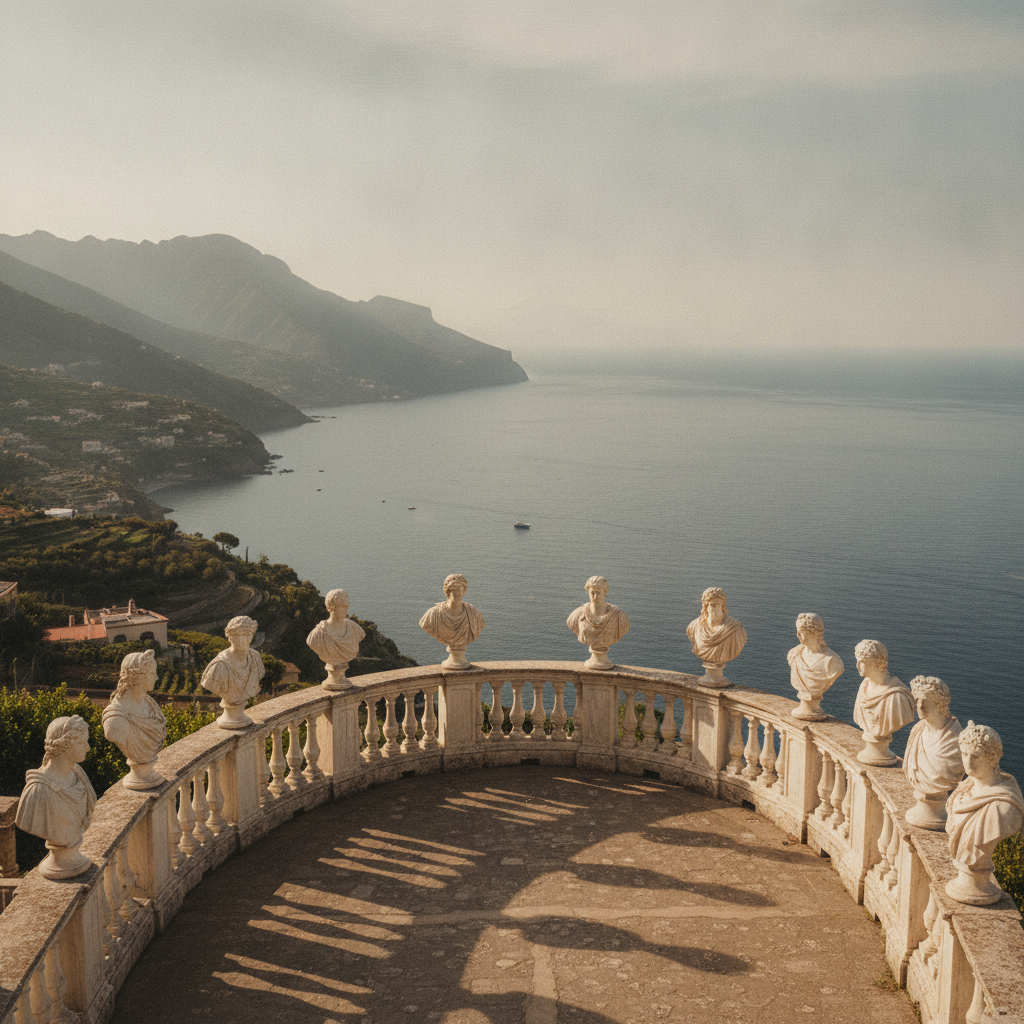
Ravello — Villa Cimbrone, Villa Rufolo & the Ravello Festival
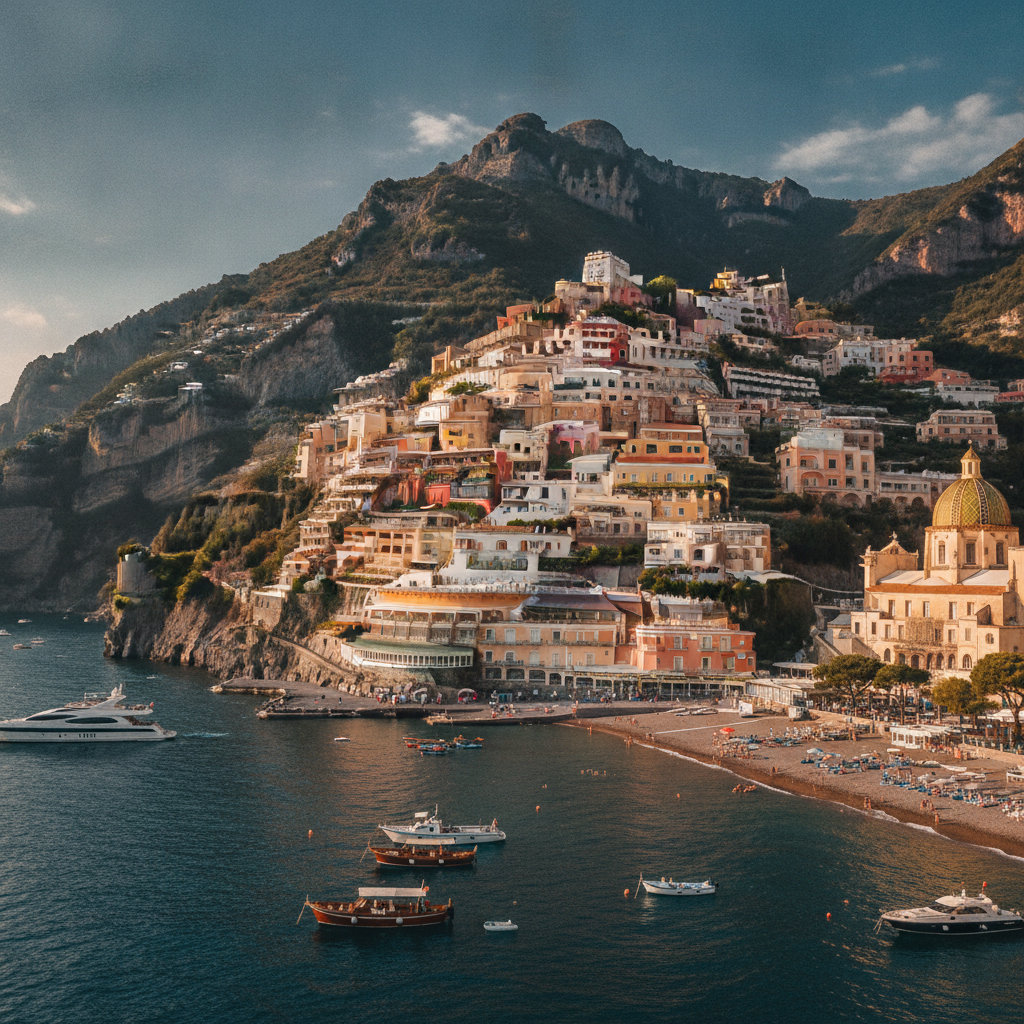
Positano — the Vertical Village, Li Galli Islands & Handmade Sandals
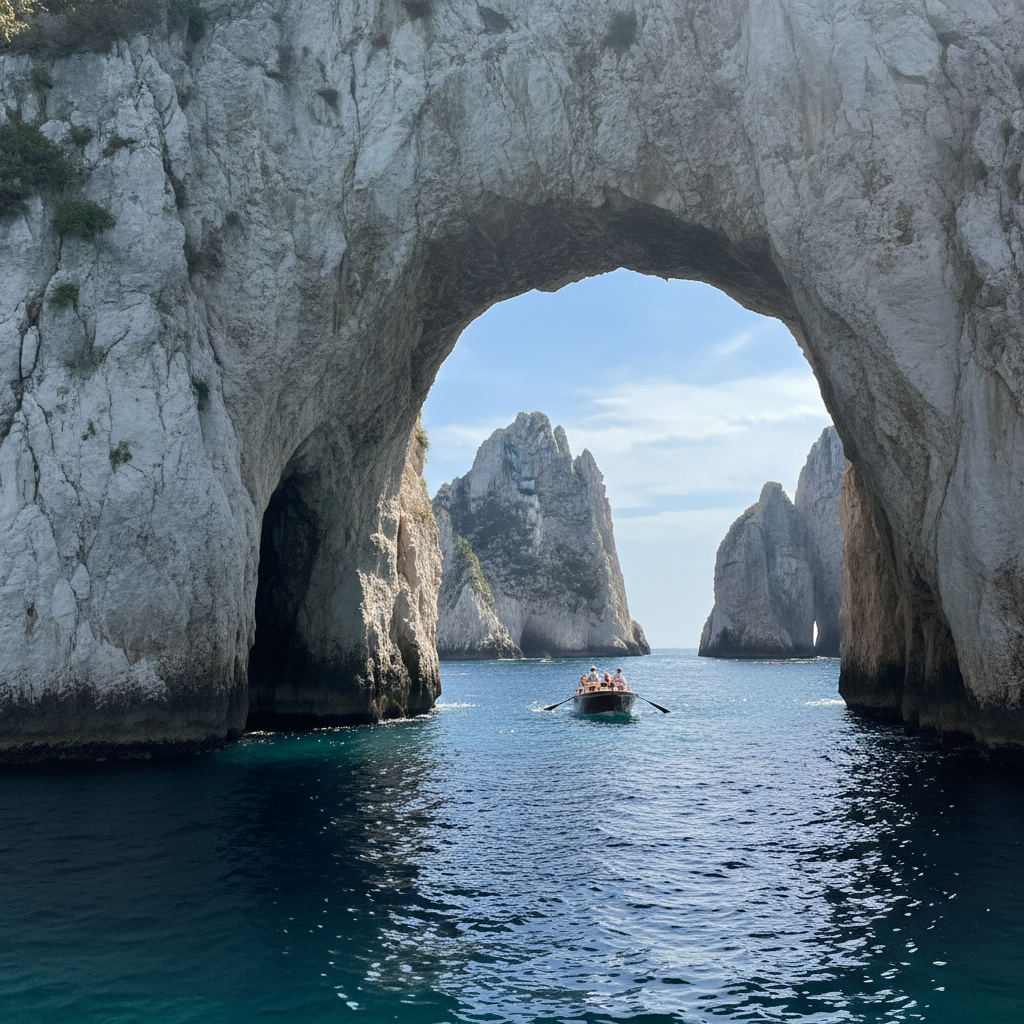
Capri Day Trip — Blue Grotto, Villa Jovis & the Faraglioni
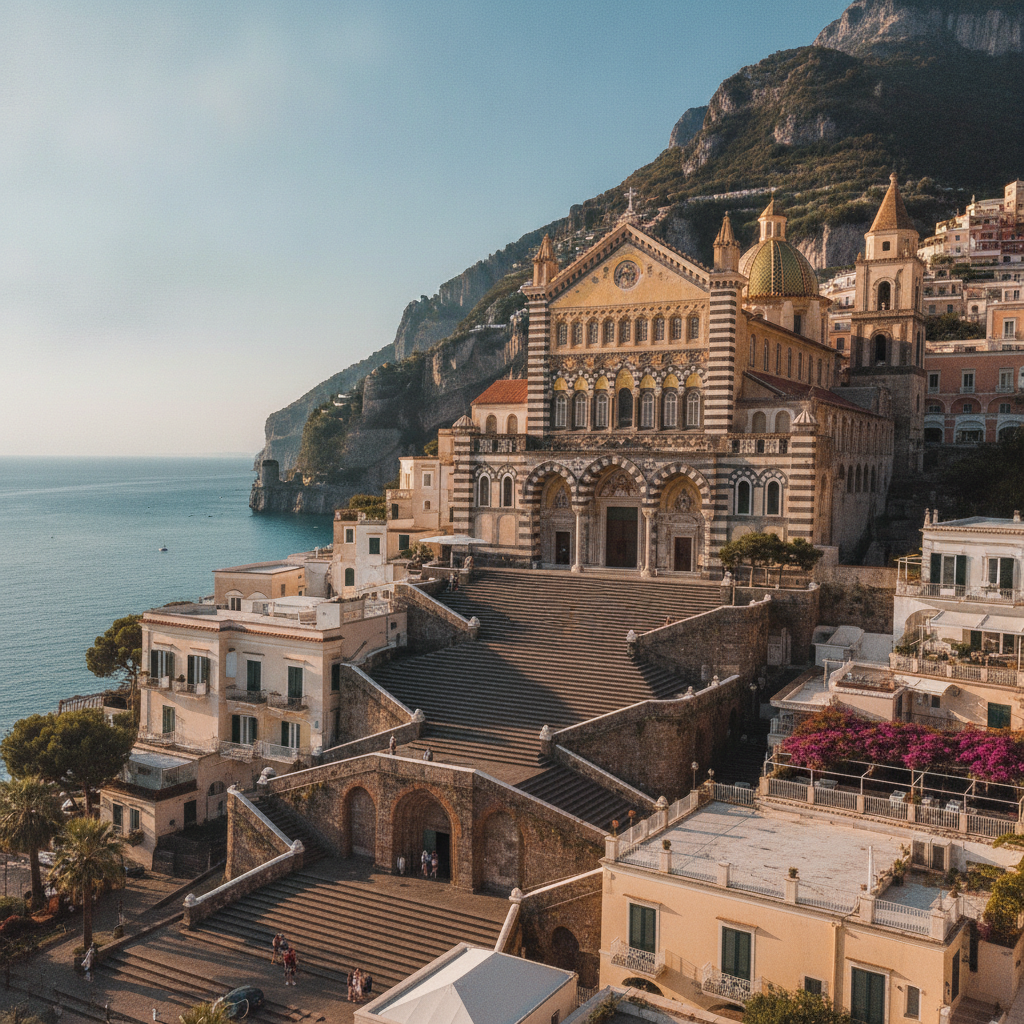
Amalfi Town — Cathedral, Paper Museum & the Original Maritime Republic