Albuquerque: Breaking Bad Country, Sky Tram and the Hispanic Cultural Heart
Walk the Pueblo Revival campus of UNM, join Breaking Bad pilgrims at Los Pollos Hermanos filming locations, ride the longest aerial tram in North America to Sandia Crest, explore the extraordinary immigrant diversity of the International District, watch cranes in the bosque, and visit the National Hispanic Cultural Center torreón fresco.
- 1
University of New Mexico and Pueblo Revival Architecture
The University of New Mexico, founded in 1889, occupies a 769-acre campus in the heart of Albuquerque and is known architecturally for its consistent application of Pueblo Revival style across the campus, a policy implemented by architect John Gaw Meem beginning in the 1930s. Meem designed over 30 campus buildings in a style inspired by the adobe mission churches and Pueblo structures of pre-contact New Mexico, creating one of the most coherent campus architectural identities in the American West. The UNM Art Museum holds over 35,000 objects including a significant collection of 20th century American and European prints. The university enrolls roughly 26,000 students and is the primary research institution in New Mexico, with strong programs in nuclear engineering, public health, and Latin American studies.
- 2
Breaking Bad and Albuquerque Film Tourism
Albuquerque emerged as a major film and television production location after New Mexico introduced a 25 percent film tax credit in 2002, one of the most generous in the United States. Breaking Bad, the AMC drama created by Vince Gilligan and filmed almost entirely in Albuquerque from 2008 to 2013, transformed the city into a pilgrimage destination for the show millions of international fans. The actual locations used in the show, including Walter White house at 3828 Piermont Drive Northeast, Los Pollos Hermanos at the Twisters restaurant on Isleta Boulevard, and the Car Wash on Menaul Boulevard, draw visitors year-round. ABQ Trolley Company offers dedicated Breaking Bad tours. Better Call Saul, the prequel series filmed in the same locations from 2015 to 2022, reinforced Albuquerque status as one of the most recognizable TV production cities in America.
- 3
Sandia Peak and Aerial Tramway
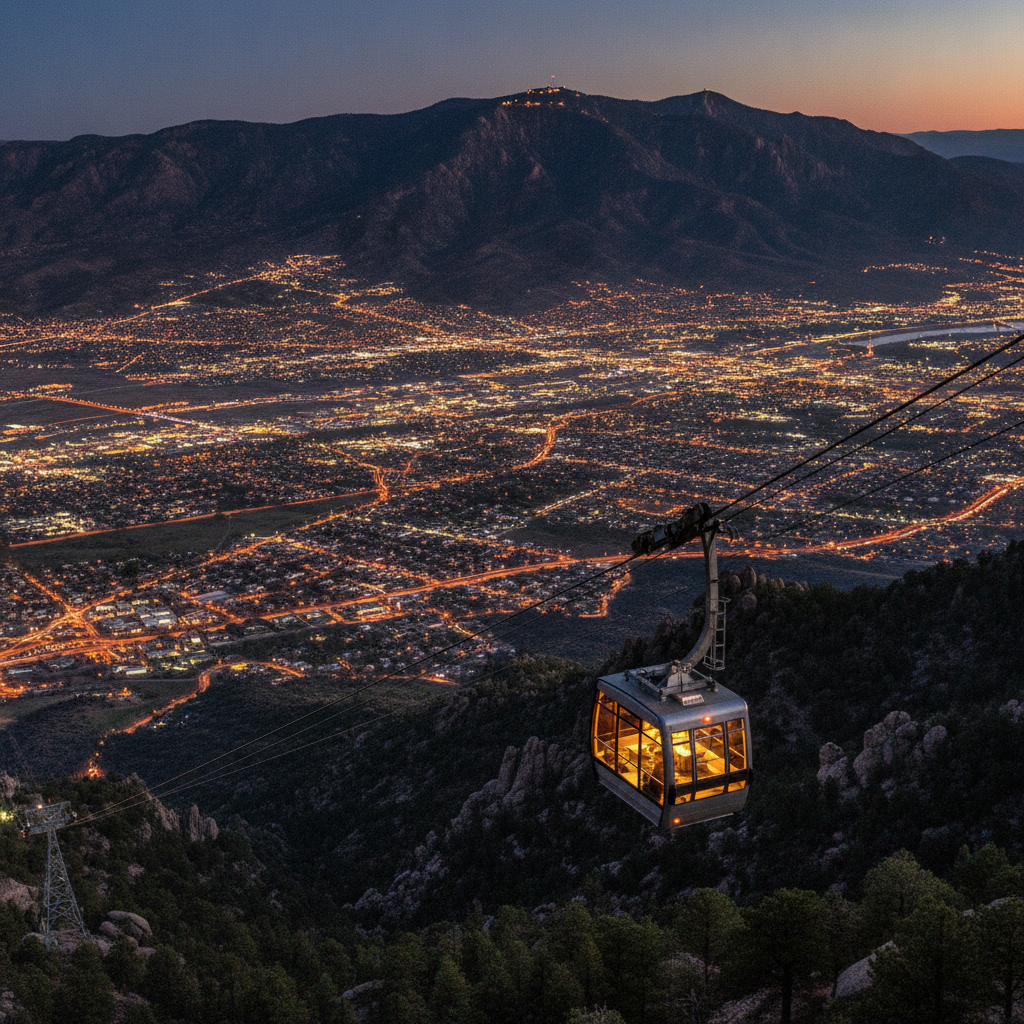
The Sandia Peak Aerial Tramway, completed in 1966 at a cost of 2 million dollars, rises 4,000 vertical feet over 2.7 miles from the Rio Grande Valley floor to the 10,378-foot Sandia Crest, making it the longest aerial tram in North America. The tram cabins each carry up to 50 passengers and the full ride takes 15 minutes. At the summit, temperatures average 25 degrees Fahrenheit cooler than Albuquerque below, creating a distinct ecosystem of spruce-fir forest above the city desert. The Crest provides views extending 11,000 square miles across four states in clear conditions. Sandia Peak Ski Area operates on the east face of the mountain with skiing from December through March. The Crest Trail runs along the ridgeline and connects to the Cibola National Forest trail system.
- 4
Albuquerque International District and Diversity
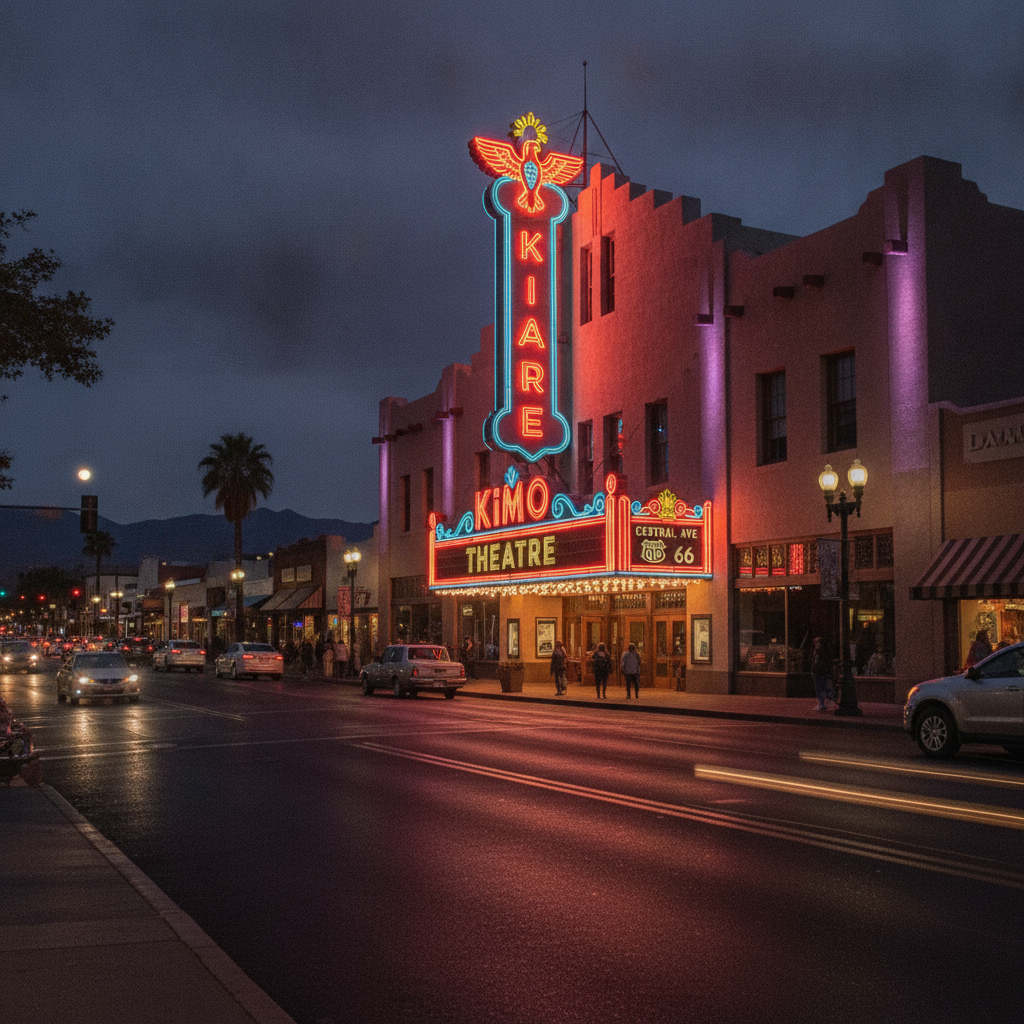
The International District of Albuquerque, concentrated along Central Avenue east of Kirtland Air Force Base, is one of the most ethnically diverse zip codes in the United States, with significant populations of recent immigrants from Vietnam, Ethiopia, Somalia, the Congo, Nepal, Burma, and Central America. The area was designated as a refugee resettlement zone by Catholic Charities and Lutheran Family Services beginning in the 1980s. The International District Healthy Communities Coalition advocates for residents and coordinates social services. The neighborhood restaurants reflect this diversity with Vietnamese pho houses, Ethiopian injera restaurants, and Salvadoran pupuserias within blocks of traditional New Mexico red and green chile establishments. The Central Avenue corridor through the International District is part of Historic Route 66.
- 5
Bosque Trail and Sandhill Crane Migration
The Bosque Trail, running 16 miles through the cottonwood forest corridor along the Rio Grande through Albuquerque, is the most used recreational trail in New Mexico. The cottonwood bosque represents one of the largest cottonwood forests in the world and provides critical habitat for migratory birds on the Central Flyway. Each November, over 20,000 sandhill cranes and 50,000 to 100,000 snow geese winter at the Bosque del Apache National Wildlife Refuge 80 miles south of Albuquerque, staging one of the most spectacular wildlife viewing events in North America at the Festival of the Cranes. In Albuquerque the bosque trail passes through the Corrales community and the Rio Grande Nature Center State Park, where the cottonwood canopy and quiet ponds create a refuge from the city.
- 6
National Hispanic Cultural Center
The National Hispanic Cultural Center at 1701 Fourth Street Southwest, opened in 2000 on a 38-acre campus in the Barelas neighborhood, is the largest institution in the United States dedicated to the preservation, promotion, and advancement of Hispanic culture and arts. The Roy E. Disney Center for the Performing Arts seats 691 and presents music, theater, and dance programs. The Torreón, a 3-story tower containing a 4,000 square foot mural cycle by Frederico Vigil depicting the history of the Hispanic world from pre-Columbian civilization to the present, required nine years to paint using the fresco buono technique and was completed in 2011. The Research Library and Archives holds the largest collection of materials related to New Mexico Hispanic culture in existence. The center serves the Barelas neighborhood, historically a working-class Mexican American community along the original El Camino Real.
Walk this route with audio
Stories play automatically as you reach each stop — no tapping needed.
More in Albuquerque
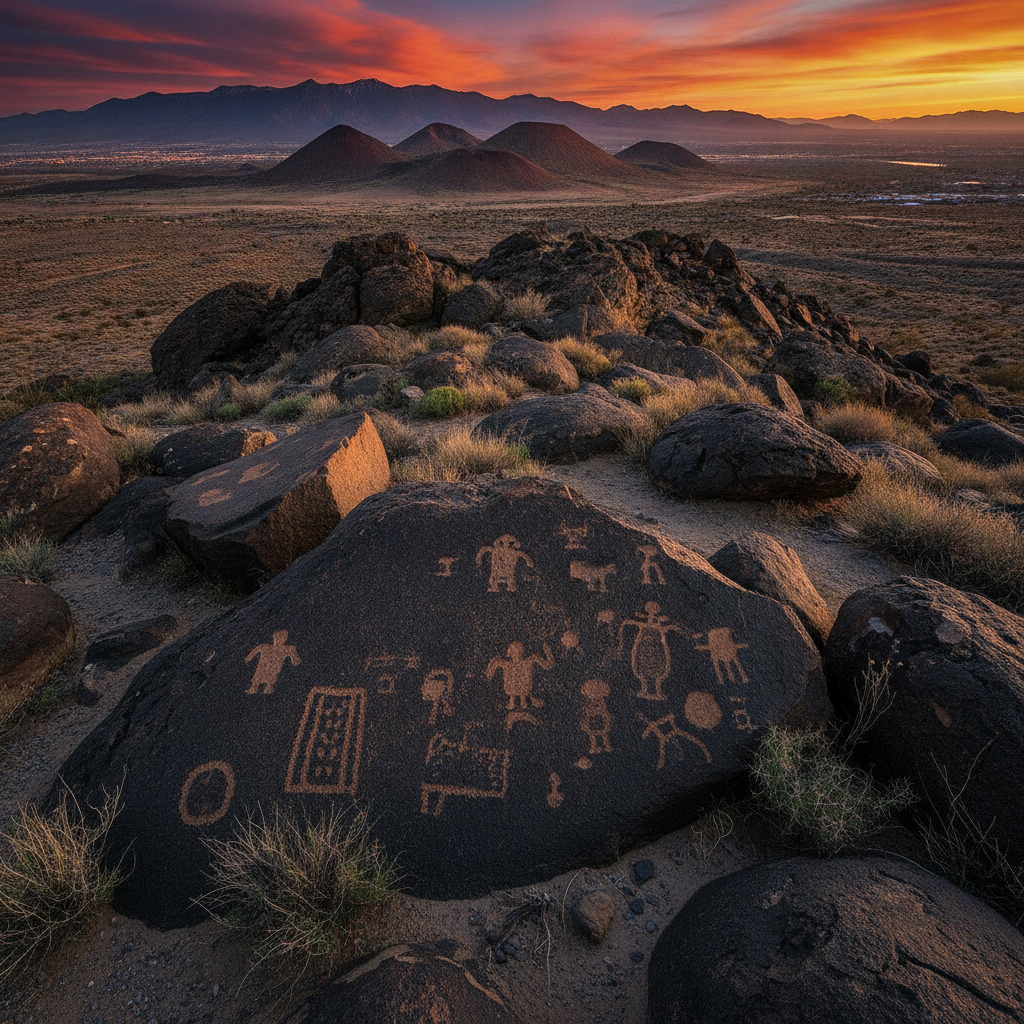
Albuquerque: Pueblo Nations, Sandia Labs, Turquoise Trail, Arts, Petroglyphs, and New Mexican Food
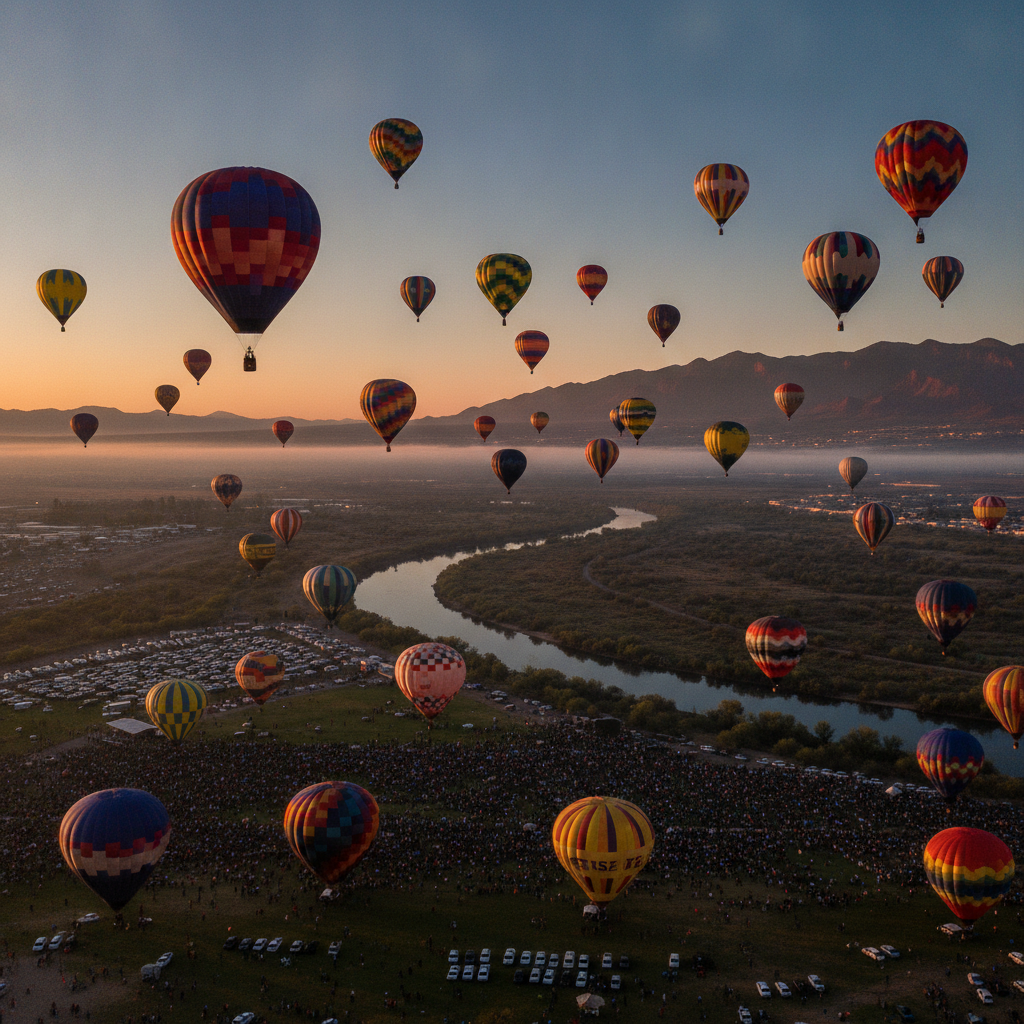
Albuquerque: Balloon Fiesta, Nuclear Heritage and Green Chile Country
Albuquerque: Music, Native Art, Explora, Wine and Beer, Architecture, and Duke City Identity
Albuquerque: White Sands, Tech Scene, International District, Camino Real, Jemez Mountains, and Practical Info
Albuquerque: Balloon Fiesta, Old Town, Sandia Mountains, Route 66, and the Rio Grande