Alanya History: The Seljuk Conquest and Alaeddin Keykubad, the Alanya Shipyard, the Byzantine Kalonoros, the Ottoman Incorporation, and the Banana Agriculture of the Sheltered Microclimate
The Alanya history route covers the Seljuk conquest in 1221 and the Sultan Alaeddin Keykubad I transformation of the city, the Seljuk naval shipyard as the first Ottoman Turkish navy base, the Byzantine Kalonoros city that preceded it, the Ottoman incorporation and the name change to Alanya, and the banana cultivation that the Alanya microclimate supports.
- 1
Byzantine Kalonoros: The Pre-Seljuk City
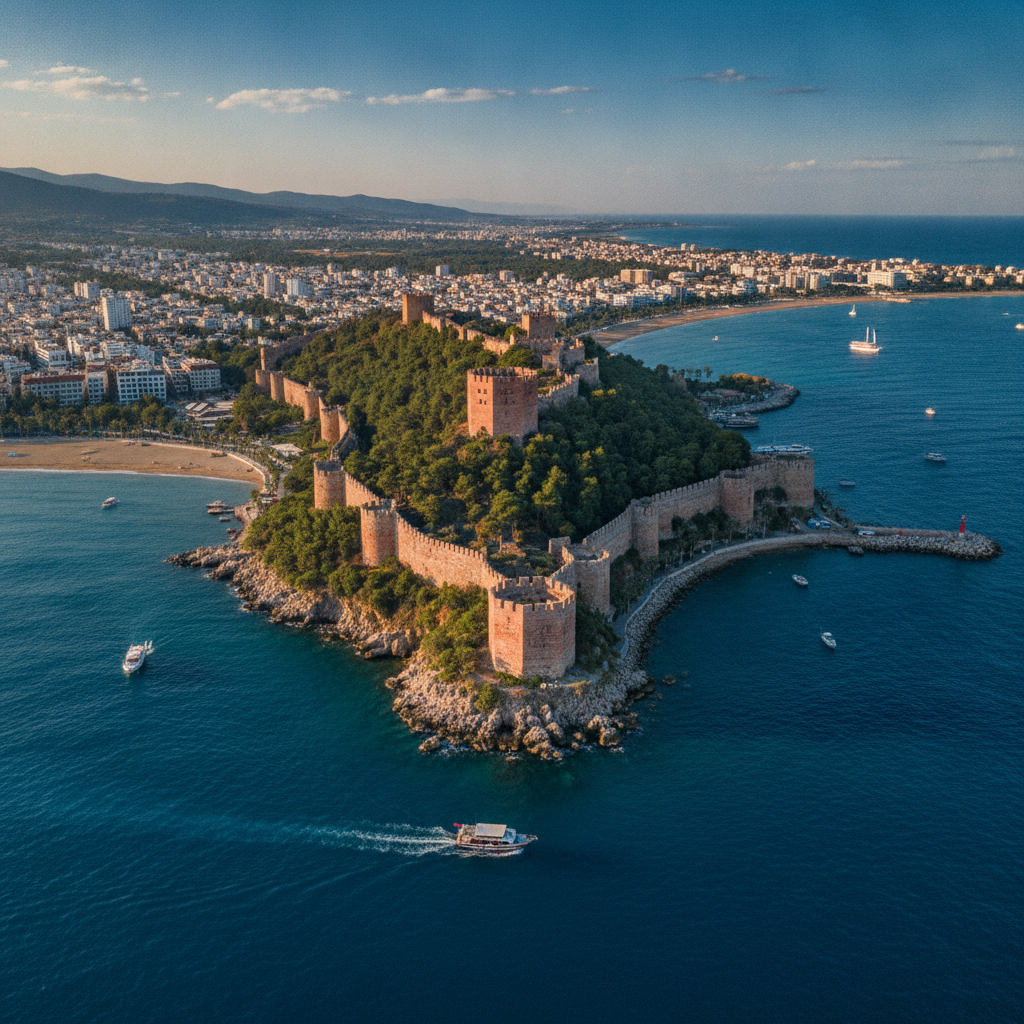
Kalonoros (Beautiful Mountain), the Byzantine Greek name for the Alanya promontory city that the Seljuks captured in 1221, was the most strategically important single Byzantine fortress on the eastern Mediterranean coast of Anatolia, controlling the shipping lane between Cyprus and the Anatolian coast. The Armenian prince Kirat who held Kalonoros as a semi-independent ruler surrendered the fortress to the Seljuk sultan Alaeddin Keykubad I in exchange for lands in the Sivas province and the marriage of his daughter to the sultan. The Byzantine defensive walls and the cisterns incorporated into the Seljuk castle system are the most visible pre-Seljuk architectural layer in the Alanya fortification.
- 2
Sultan Alaeddin Keykubad: The Alanya Builder
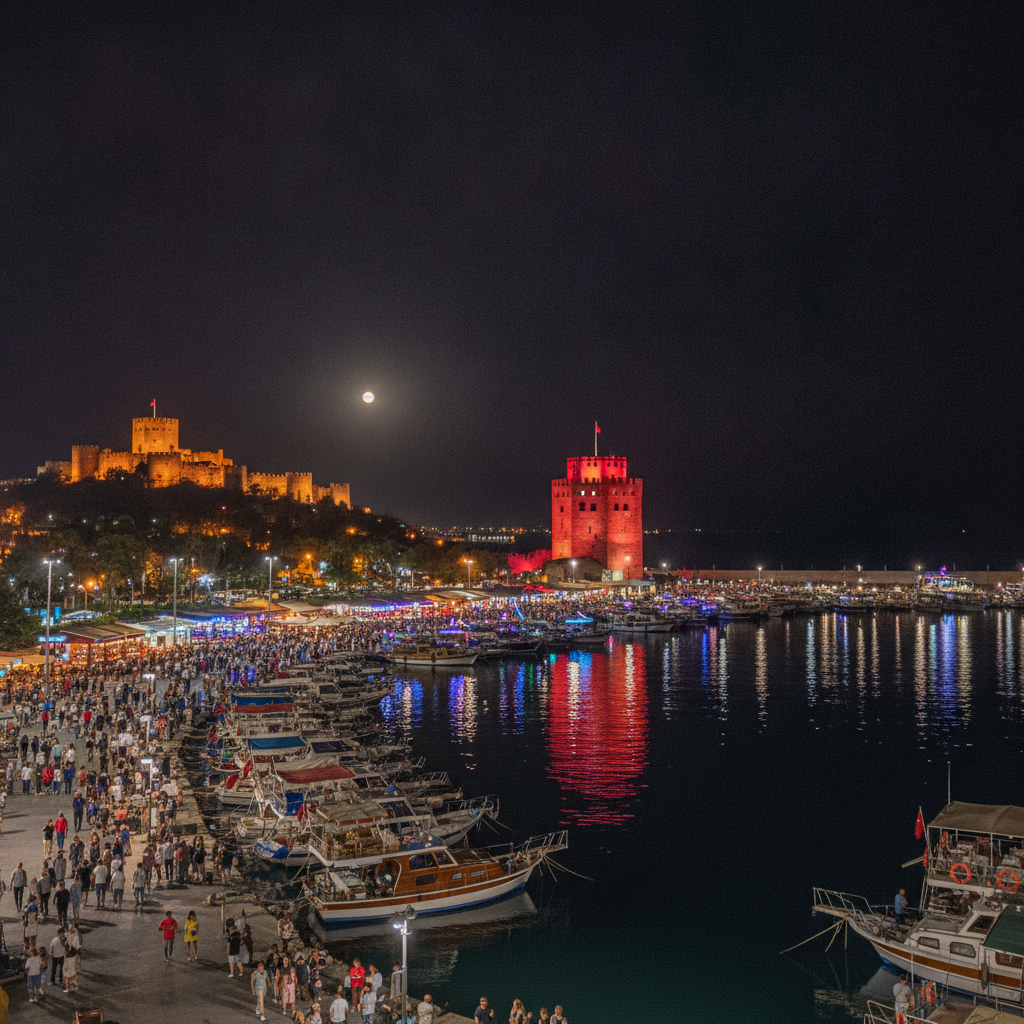
Sultan Alaeddin Keykubad I renamed the captured city Alaiye (later Alanya) after himself and developed it as his winter capital and naval base from 1221 to his death in 1237 - the most personally invested single building project of any Seljuk sultan. The Alaeddin Keykubad works in Alanya include the Red Tower, the Tersane naval shipyard, the 6-kilometer castle wall circuit, the Bedesten covered market, and the Zindankapi prison tower, creating the most completely Seljuk-designed single coastal city in Turkey. The sultan also brought the Syrian architect Ebu Ali Reha from Aleppo to design the Red Tower, creating the most direct single example of Ayyubid Syrian architectural influence on Seljuk Anatolia.
- 3
Alanya Tersane: The Seljuk Naval Shipyard
The Tersane (Tersane in Turkish, from the Arabic Dar al-Sinaa meaning House of Industry), the Seljuk naval shipyard at the base of the Alanya promontory built by Alaeddin Keykubad I in 1228, is the only surviving intact medieval Islamic naval shipyard in the world with the 5 separate vaulted drydocks carved from the promontory rock face and opening directly to the sea. The Alanya Tersane was the construction and maintenance base for the Seljuk Mediterranean fleet that projected Seljuk naval power across the eastern Mediterranean in the 13th century and the facility that established the Turkish naval tradition that the Ottoman maritime empire inherited.
- 4
Ottoman Alanya: The Provincial Quiet Period
The Ottoman incorporation of Alanya in 1471 under Mehmed II ended the city commercial and military importance and reduced it to a small provincial harbor town without the Seljuk naval and commercial significance. The Ottoman period Alanya is most visible in the Bedesten covered market in the castle Ehmedek quarter, the Ottoman-period mosque conversions of the Byzantine churches, and the 19th century Ottoman civil buildings in the small city center below the castle. The Alanya silence from 1471 to the 1970s tourist development is the most dramatic single dormancy-to-resort transformation on the Turkish coast.
- 5
Alanya Bananas: The Microclimate Agriculture
Alanya is the northernmost significant banana cultivation zone in the world, made possible by the microclimate created by the Taurus Mountains to the north that block the cold continental air and the Mediterranean that moderates the temperature, maintaining the annual minimum above 8 degrees Celsius necessary for the tropical banana plant. The Alanya banana, smaller and sweeter than the imported tropical varieties, has been cultivated since the 1930s and the Alanya banana harvest in August and September is the most distinctive single agricultural product of the eastern Antalya province. The banana orchards on the sheltered slopes above the Alanya resort strip are the most unusual single agricultural landscape on the Turkish coast.
- 6
Alanya Archaeological Museum: The Castle Finds
The Alanya Archaeological Museum in the city center below the castle contains the most complete single collection of Seljuk military artifacts in Turkey including the weapons, the chain mail, the ceramic vessels, and the architectural fragments from the castle excavation, alongside the Bronze Age, Iron Age, and Roman finds from the Alanya region. The Seljuk coin collection from the Alanya mint is the most complete single Seljuk numismatic collection in a regional Turkish museum and the museum display of the Alanya bronze casting tradition provides the most directly educational single introduction to Seljuk metalworking technology.
Walk this route with audio
Stories play automatically as you reach each stop — no tapping needed.
More in Alanya
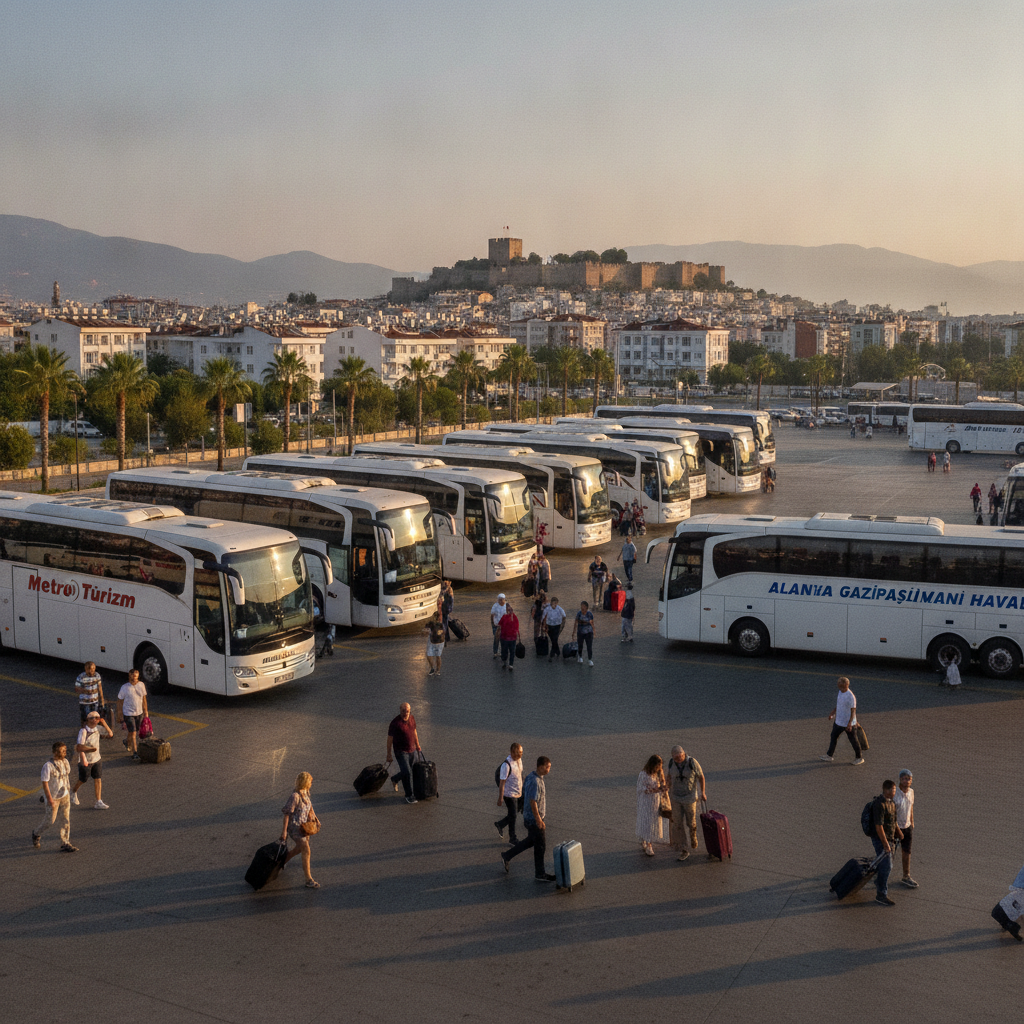
Alanya Practical: Antalya Airport Transfer, Bus and Shuttle Connections, the Beach Choice, Accommodation from Budget to All-Inclusive, the Best Season, and the Departure Summary
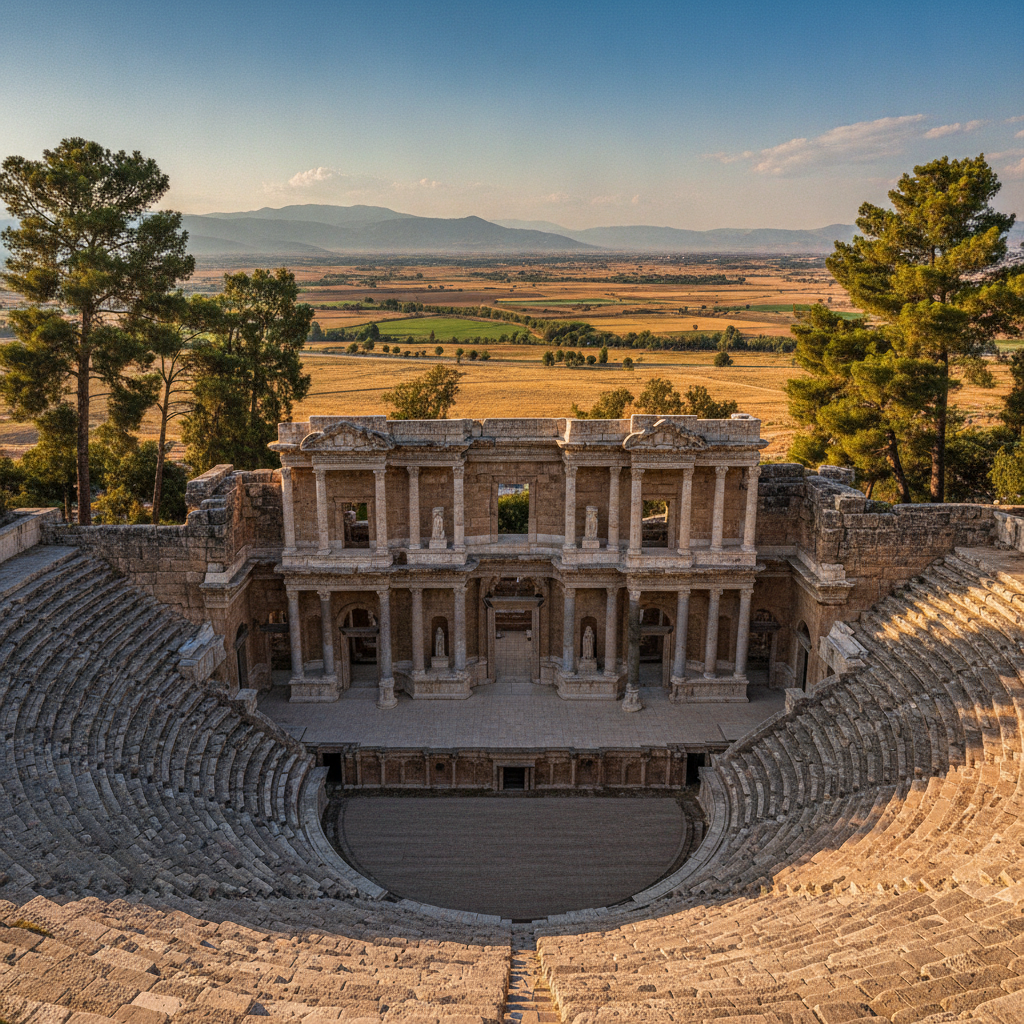
Alanya to Antalya: Aspendos the Best Preserved Ancient Theatre, Perge the Pamphylian City, Termessos the Unconquered Taurus Fortress, and the Antalya Province Ancient Heritage
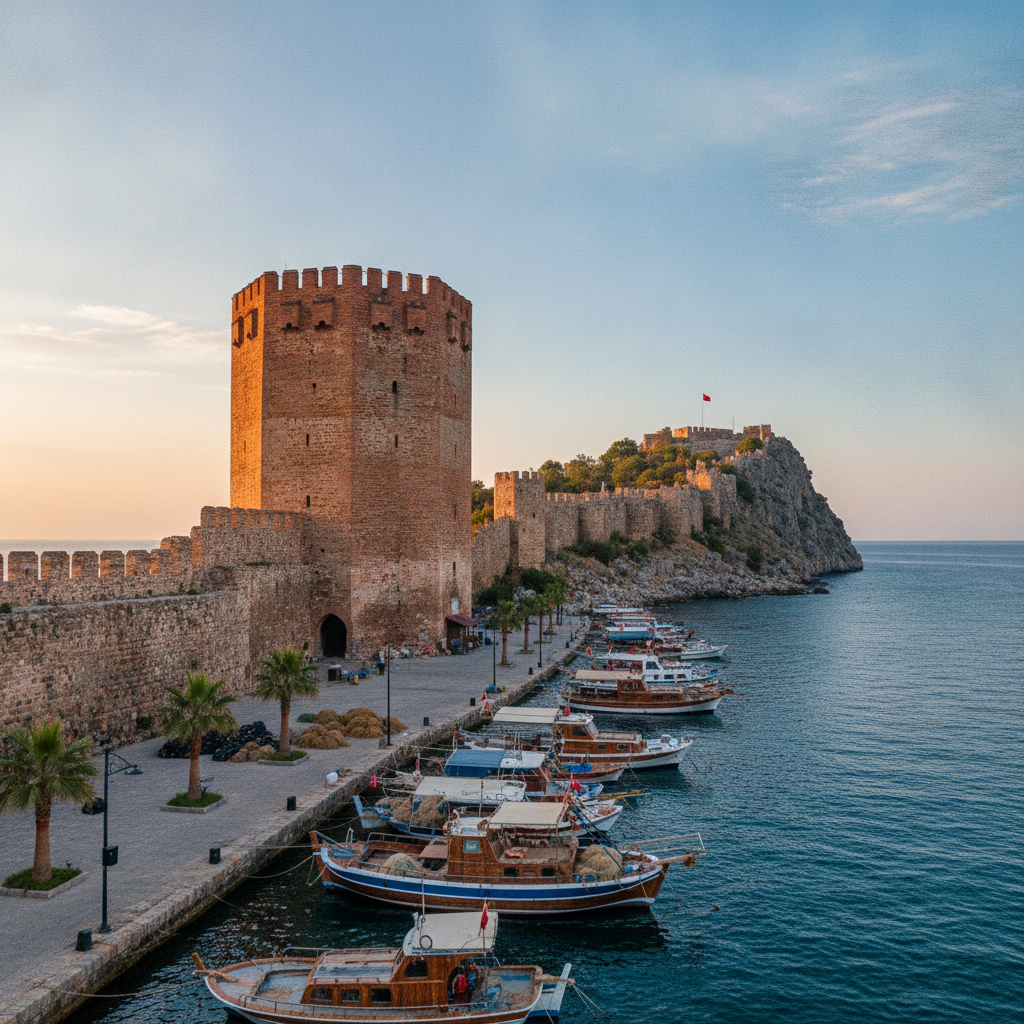
Alanya Essential: The Seljuk Red Tower, the Fortress on the Promontory, Cleopatra Beach, Damlatas Cave, the Turkish Riviera Resort Character, and the Dim Cave Day Trip
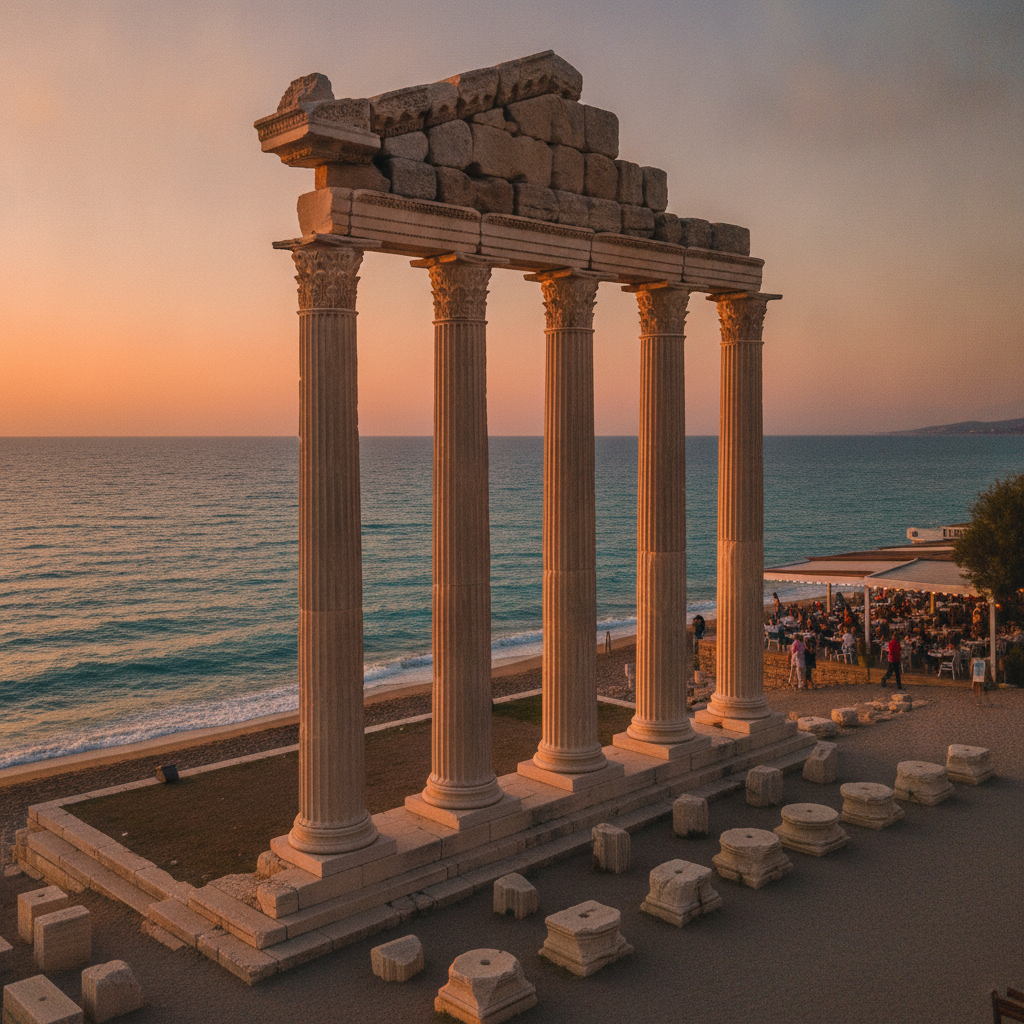
Eastern Riviera Circuit: Side the Apollo Temple on the Beach, the Manavgat Waterfall, the Side Roman Ruins, the Seleucia Pieria Ancient City, and the Full Eastern Riviera Day Trip
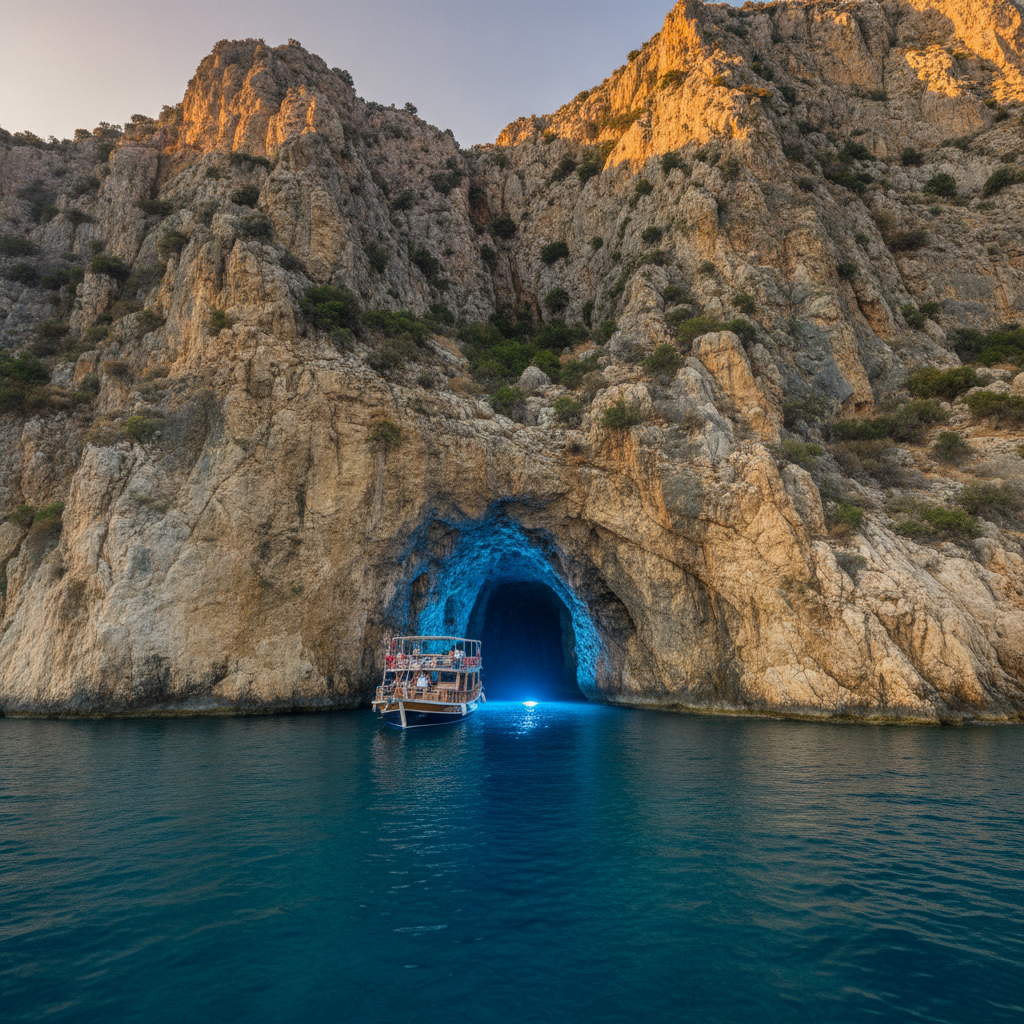
Alanya Underwater: The Diving Scene, the Blue Cave, the Phosphorescent Cave, the Pirate Cave Boat Tour, Underwater Archaeology, and the Eastern Mediterranean Dive Sites