Accra Food and Nightlife: Osu, Chale Wote, Beach Clubs, Shopping, and the Ultimate Ghana Reference
Accra food and nightlife: the Osu Oxford Street restaurants and bars, the Chale Wote Street Art Festival, the Labadi beach club scene, Makola Market and the Arts Centre shopping, the tro-tro and Uber transport guide, and the complete six-route Ghana legacy reference.
- 1
Osu Oxford Street - The Heart of Accra Nightlife and International Dining
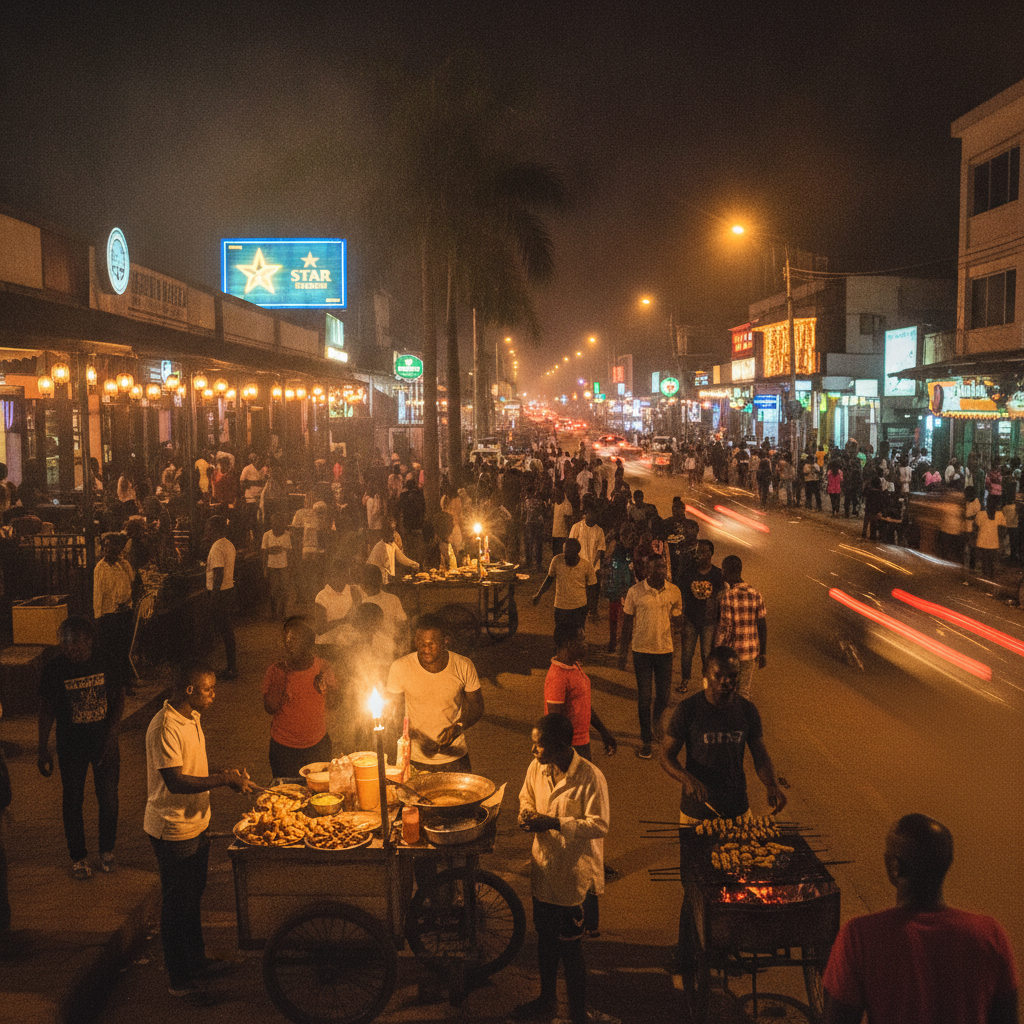
Osu Oxford Street: the Cantonments Road in the Osu neighborhood, the primary commercial and entertainment strip of modern Accra. International restaurants (Lebanese, Chinese, Indian, American, Italian), Ghanaian restaurants serving traditional food in comfortable settings, open-fronted bars serving cold Club beer and Star beer, rooftop bars with views over Osu, and craft shops selling kente cloth, woodcarvings, and adinkra cloth. The neighborhood is the social center for the Accra middle class, expatriates, and tourists.
- 2
Chale Wote Street Art Festival - West Africa Largest Street Art Event
Chale Wote (a Ga phrase for a local sandal, also used as a greeting): the annual street art festival held in August in Jamestown since 2011. Founded by the Accra art collective Accra Dot Alt, the festival transforms Jamestown streets and buildings with large-scale murals, installations, performance art, dance, live music, and fashion. Artists come from Ghana, West Africa, and internationally. The buildings of Jamestown have become a permanent outdoor gallery from murals painted at successive festivals. The festival has established Accra as the primary contemporary arts capital of West Africa. Entry to the festival area is free. The festival has contributed to growing interest in Jamestown from artists and creative businesses.
- 3
Accra Beach Clubs and the Labadi Social Scene
The upscale beach clubs on the Labadi Beach road east of central Accra: the Labadi Beach Hotel beach (the most established), Coco Beach, and La Palm Royal Beach Hotel beach. Weekend beach club culture is central to the Accra upper-middle-class social scene. The public Labadi Beach (La Beach) adjacent to the clubs is crowded on weekends with ordinary Accra residents: informal beach economy (food vendors, horse riders, beach photographers, hairdressers, goal ball games). The New Year Eve countdown at the beach clubs is the major social event of the Accra calendar, drawing tens of thousands of people.
- 4
Accra Shopping - Makola Market, the Arts Centre, and the Accra Mall
Makola Market: the central commercial market of Accra, famous for the powerful Makola Market women traders who control significant portions of retail trade and have historically been a political force. The Centre for National Culture (Arts Centre): the primary tourist craft market in central Accra selling kente cloth, woodcarvings, brass figurines, batik fabrics, adinkra cloth, and beads at negotiable prices. The Kokrobitey Institute (approximately 30 km west of Accra) is a craft village where artisans work and sell directly. The Accra Mall (Spintex Road area): a Western-style mall with Shoprite supermarket, cinema, fast food, and retail brands, primarily serving expatriates and the upper middle class.
- 5
Accra Transport and Daily Life - Tro-Tros, Uber, Power Cuts, and the City Practical
Tro-tro: the Ghanaian shared minibus (typically a Nissan or Toyota minivan) operating on fixed routes with a driver and a mate (fare collector). Very cheap but crowded and slow. Uber and Bolt operate in Accra and are the most comfortable option for visitors (fixed prices, air conditioning). The Accra traffic congestion is severe during rush hours (7-9am and 4-7pm); allow extra time especially on the N1 highway and Spintex Road. The electricity supply (dumsor, meaning off-on in Twi): the power situation has improved since 2016-2017 but occasional outages still occur; major hotels and restaurants have backup generators. Tap water in Accra is treated but most visitors prefer bottled water or sachet water (the small plastic sachets of water sold everywhere for everyday use).
- 6
Accra Six-Route Legacy - The Complete Ghana Planning Reference
Six routes complete. Route 1: Nkrumah and Ghana independence (1957), Black Star Gate, Nkrumah Memorial Park, Jamestown fishing district, Labadi Beach, arts scene, practical guide. Route 2: the Ga people and Homowo festival, the Ashanti Kingdom and Golden Stool, kente cloth, Teshie fantasy coffins, highlife music, adinkra symbols and the Year of Return. Route 3: Cape Coast Castle (Door of No Return), Elmina Castle (oldest European building in sub-Saharan Africa), Kakum canopy walkway, transatlantic slave trade history, diaspora pilgrimage. Route 4: Volta Region (Lake Volta, Wli Falls), Mole National Park elephants and walking safaris, Boti Falls, Tafi Atome sacred monkeys, Ghanaian cuisine. Route 5: British Gold Coast colonial history, military coups, Rawlings and PNDC, Ghanaian democracy as a West African model, cocoa-gold-oil economy. Route 6: Osu Oxford Street, Chale Wote festival, beach clubs, Makola Market and shopping, transport and practical guide. Ghana summary: first star of African independence, most stable democracy in West Africa, spiritual home of the African diaspora, and a genuinely welcoming destination. Best entered through Accra (Kotoka International Airport), explored over 10-14 days minimum, and best visited November to March for the dry season.
Walk this route with audio
Stories play automatically as you reach each stop — no tapping needed.
More in accra
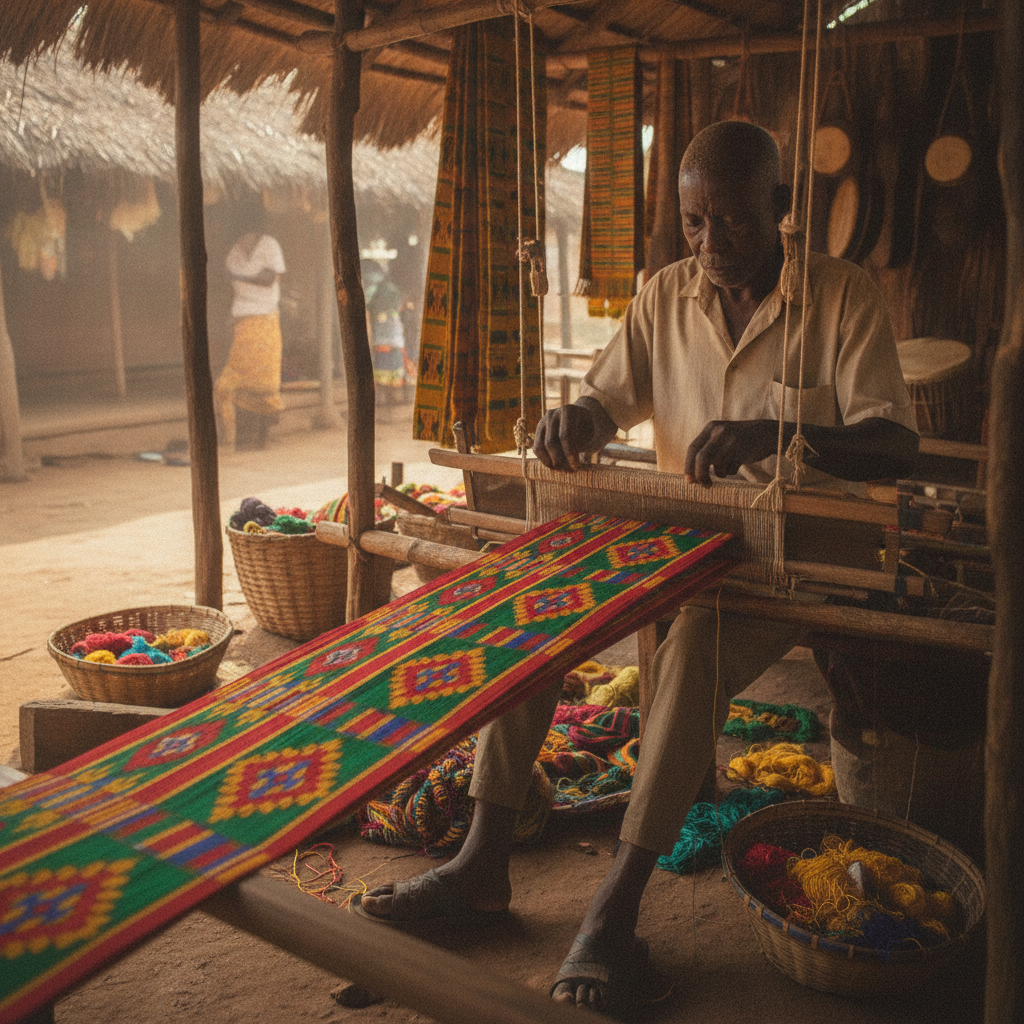
Accra Culture: The Ga People, Ashanti Kingdom, Kente Cloth, Funerals, and Highlife Music
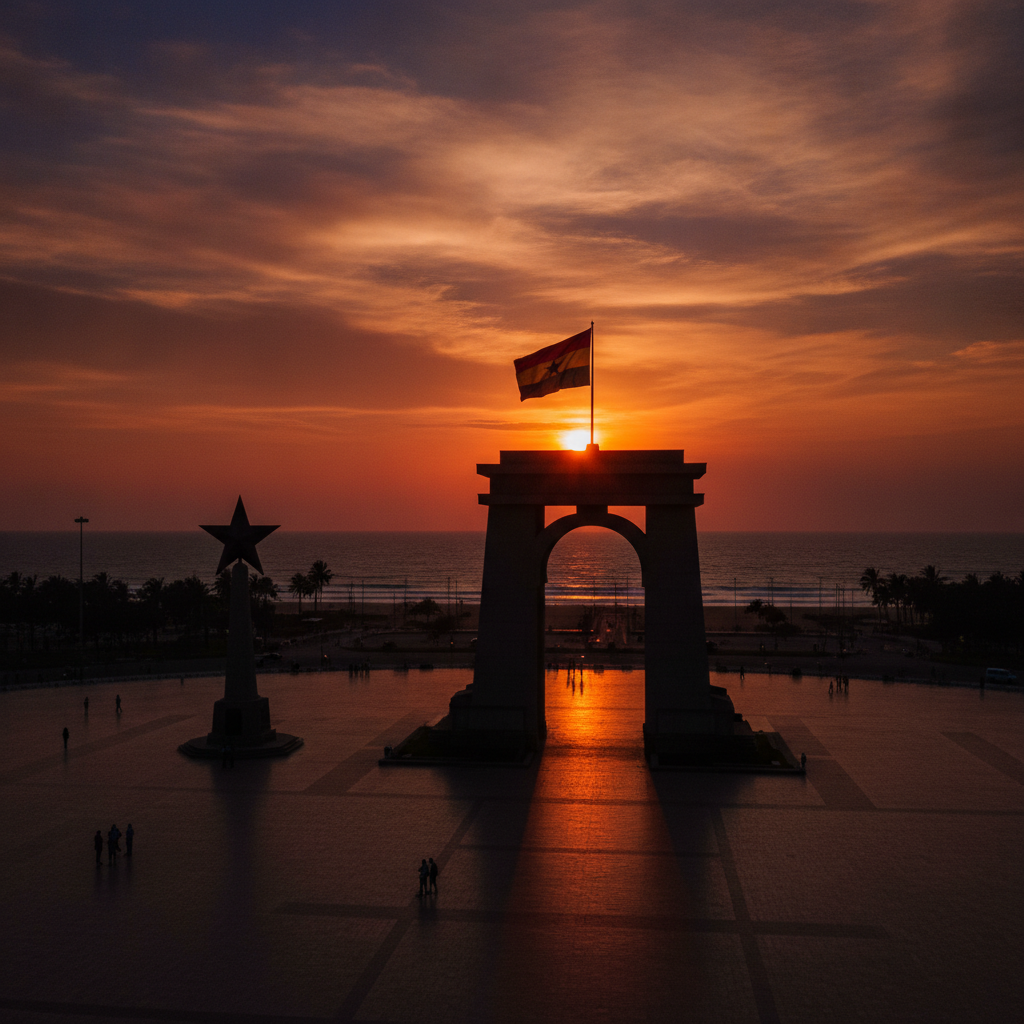
Accra: Black Star of Africa, Nkrumah, Jamestown, Labadi Beach, and the Ghana Guide
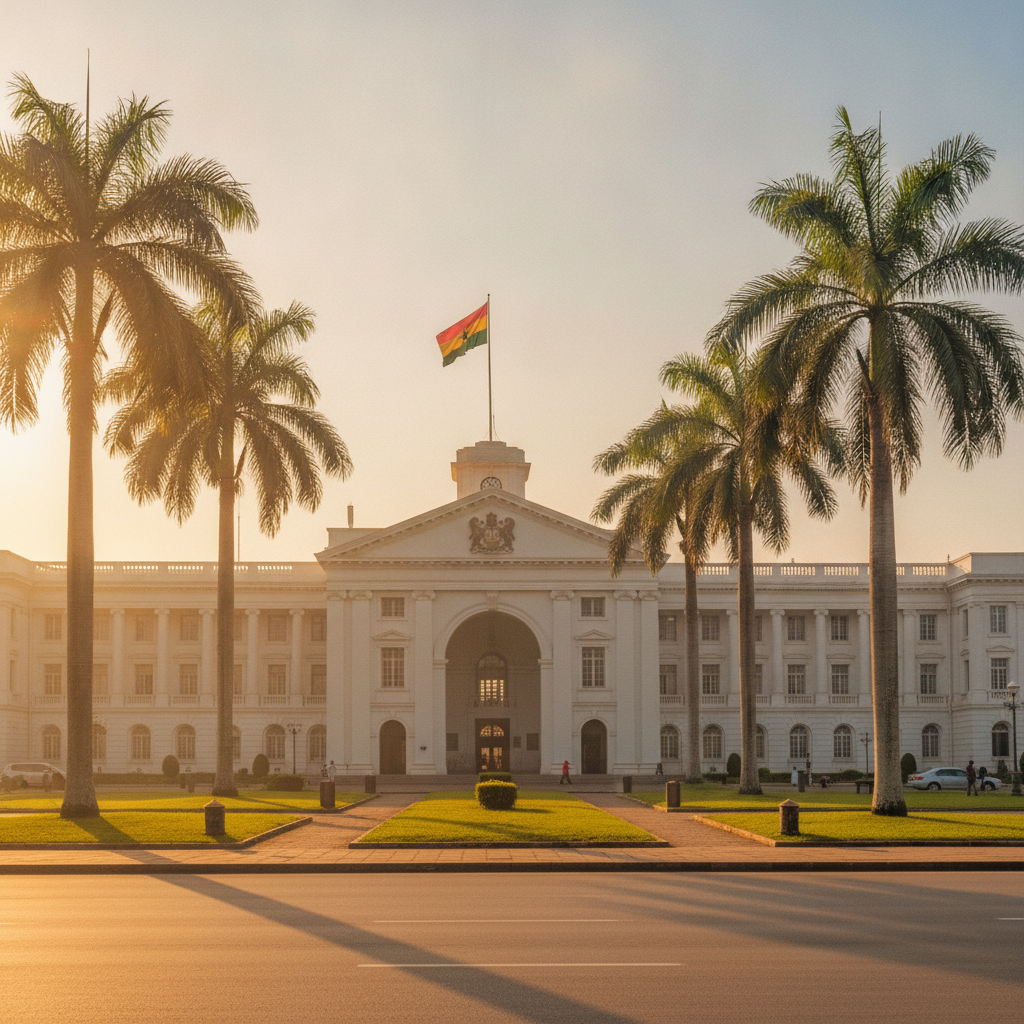
Accra History and Politics: From the Gold Coast to Democratic Ghana, Rawlings, and the Modern Economy
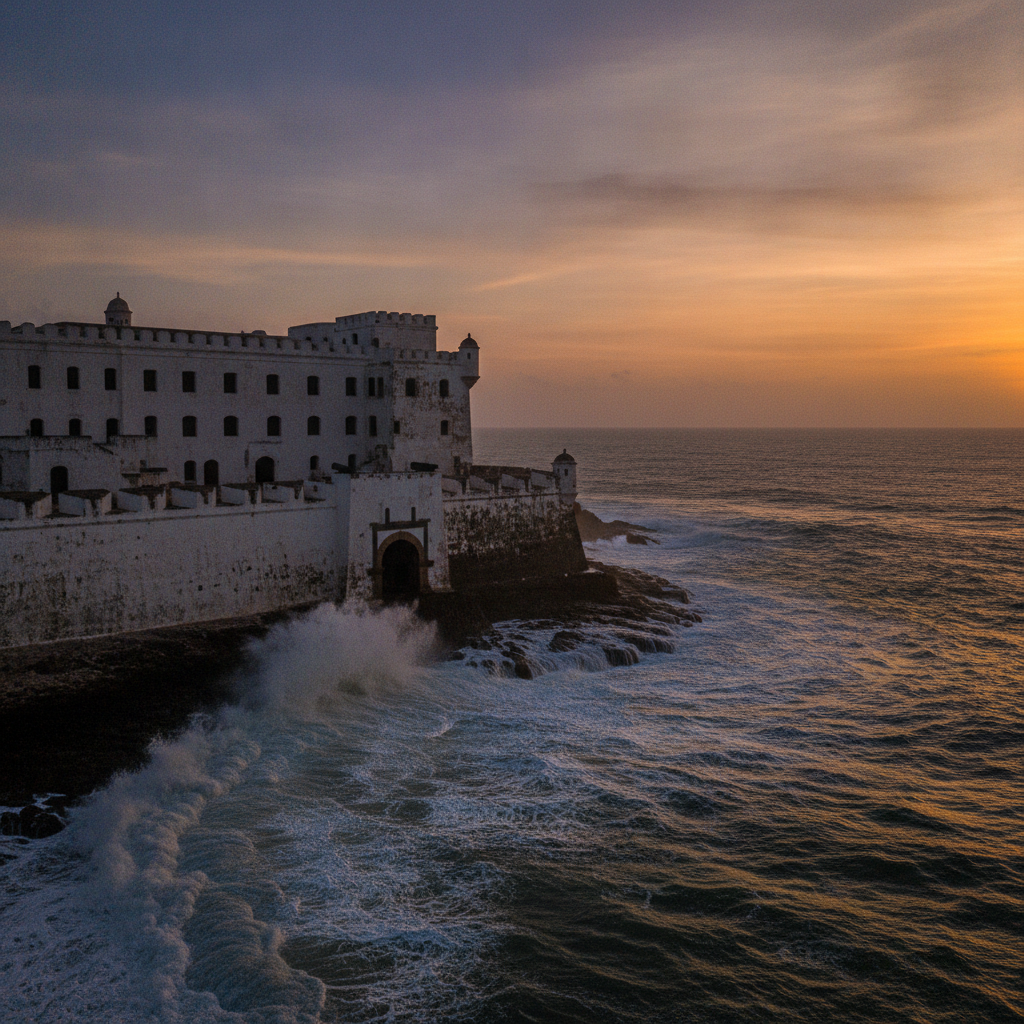
Cape Coast and the Slave Forts: The Door of No Return and the Transatlantic Slave Trade Legacy