Abu Dhabi Reality: 90% Expat Population, Kafala Labour System & Manchester City's Owner
Understand Abu Dhabi's human reality—90% of residents are non-nationals (South Asian workers, Western professionals) in a kafala labour system that ties workers to their sponsor, Etihad Airways' three-room A380 private suite (£20,000 London-Abu Dhabi) built by workers earning $200/month, Sheikh Mansour's Manchester City ownership that bought Premier League dominance since 2008, and the Ministry of Tolerance running churches, temples, and synagogues alongside the Grand Mosque.
- 1
Abu Dhabi's Expat Experience – 90% Non-National
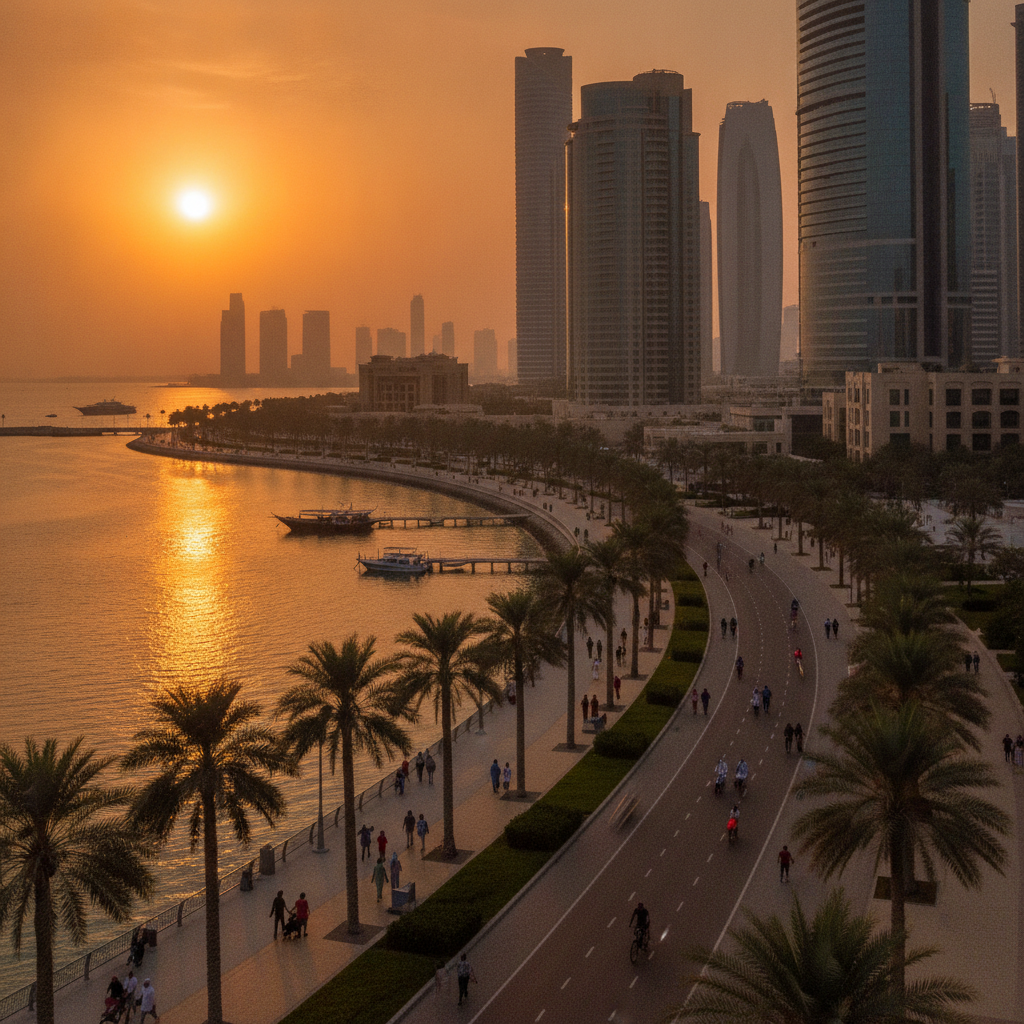
Only 10% of Abu Dhabi's 1.5 million population are UAE nationals (Emiratis); 90% are expatriates—South Asians (Indian, Pakistani, Bangladeshi, Sri Lankan) constitute the majority, with Western professionals, Arab nationals (Egyptian, Jordanian, Lebanese), and Southeast Asians forming the rest. This demographic reality shapes the city's character: its food (curry houses outnumber Emirati restaurants 100:1), its labour market (construction workers from India and Bangladesh earn $200/month), and its social stratification (Western expats in 5-star hotels; South Asian workers in shared labour camps).
- 2
The Kafala System & Labour Rights
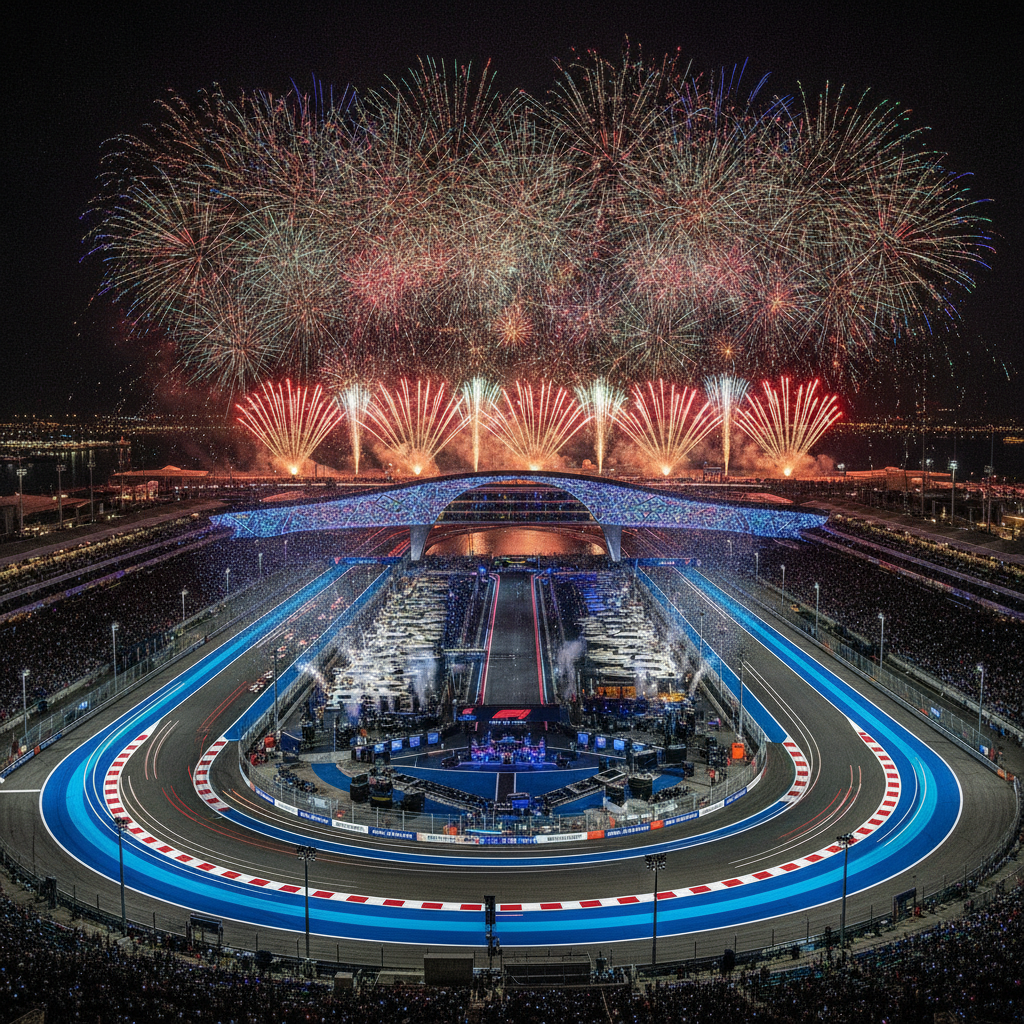
Abu Dhabi's economy depends on a migrant labour system (kafala) that ties workers to their employer-sponsor—historically preventing workers from changing jobs or leaving the country without permission, and creating conditions criticised by Human Rights Watch and Amnesty International. UAE labour reforms introduced in 2021 allow job mobility and removed the No-Objection Certificate requirement, but enforcement remains inconsistent. Construction workers building the Grand Mosque, Louvre, and Yas Circuit were paid far below the wages of the architects and executives who designed them—a fundamental tension in Abu Dhabi's tourism narrative.
- 3
Abu Dhabi's Etihad Airways – The National Carrier
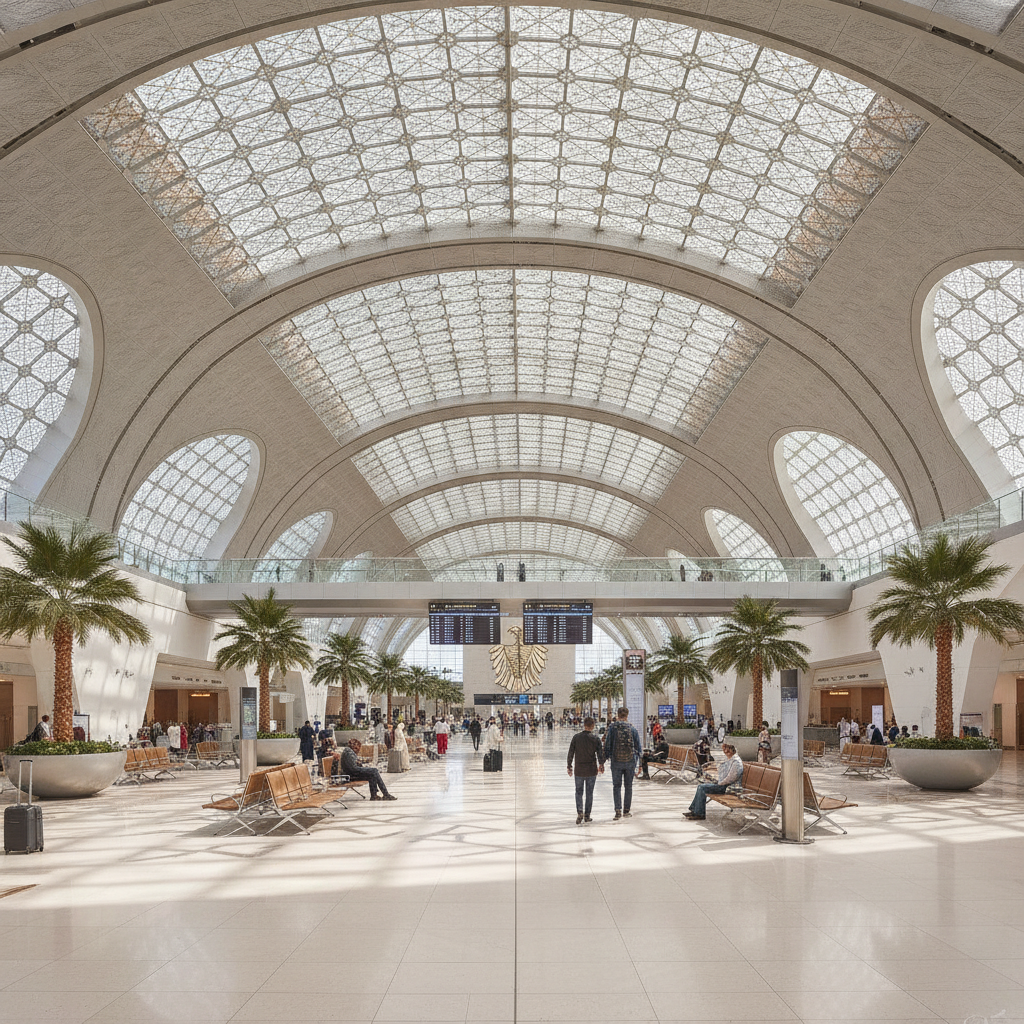
Etihad Airways—founded in 2003 as Abu Dhabi's response to Emirates (Dubai's airline, founded 1985)—is one of the world's major carriers serving 80+ destinations. The airline's Residence product (a three-room suite on the A380—private bedroom, living room, and shower—at £20,000+ one-way from London) is the world's most expensive commercial airline seat. Etihad's Abu Dhabi airport provides connections between Europe, North America, South Asia, and Australia; the airline's connectivity is the primary driver of Abu Dhabi's tourism growth.
- 4
Islam in Abu Dhabi – Religion in a Modern Gulf State
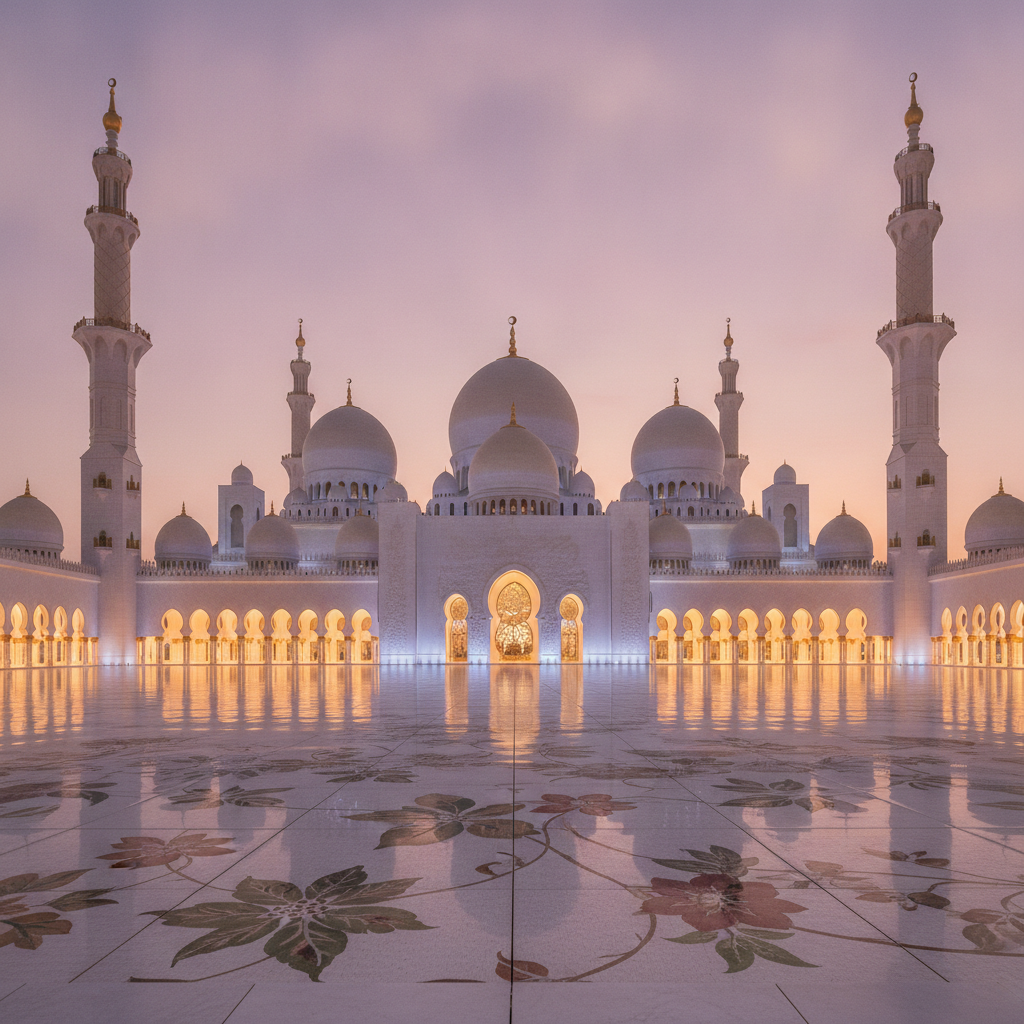
Abu Dhabi is an officially Islamic state governed by Sharia law, but its interpretation is relatively moderate by regional standards. The call to prayer (five times daily) is broadcast from mosque speakers throughout the city; Friday is the Islamic day of rest (the working week runs Sunday–Thursday). Ramadan involves strict observance: daytime eating and drinking in public is prohibited for all (fine of AED2,000/€500 for violations); alcohol is restricted to licensed venues. The UAE has a Ministry of Tolerance that actively promotes religious pluralism—Christian churches, Hindu temples, and Jewish synagogues operate openly in Abu Dhabi.
- 5
Abu Dhabi's Sports Culture – Beyond Formula 1
Abu Dhabi is a world sports hub beyond F1. Manchester City FC—owned by the Abu Dhabi United Group (Sheikh Mansour, brother of the UAE President)—has been funded to Premier League dominance since 2008. The Abu Dhabi HSBC Championship (golf, January) is the European Tour's season opener. The EFG Abu Dhabi International Triathlon (March) is the world's most spectacular triathlon course—open-water swim off the Corniche, cycling on closed highways, run along the waterfront. The National Basketball Association (NBA), Cricket World Cup, and boxing world title fights have all been staged in Abu Dhabi.
- 6
Where to Stay & Best Areas in Abu Dhabi
Abu Dhabi's accommodation geography divides into four zones. Corniche/Downtown: central, walkable, hotel towers with Gulf views (Sofitel, Hilton, InterContinental). Saadiyat Island: quieter, beach-focused, adjacent to the Louvre (St Regis, Park Hyatt). Yas Island: entertainment-focused, F1 circuit access (Viceroy, W, Rotana). Al Maryah Island: financial/business district, international dining (Four Seasons). For beach stays, Saadiyat is best; for sightseeing, Downtown Corniche; for F1 and theme parks, Yas Island. All zones are 20–40 minutes from each other by car.
Walk this route with audio
Stories play automatically as you reach each stop — no tapping needed.
More in Abu Dhabi
Abu Dhabi Essentials: Grand Mosque, Louvre Under Jean Nouvel's Rain-of-Light Dome & F1 Circuit
Abu Dhabi Practical Guide: World's Largest Terminal, Dress Code & a $700 Billion Wealth Fund
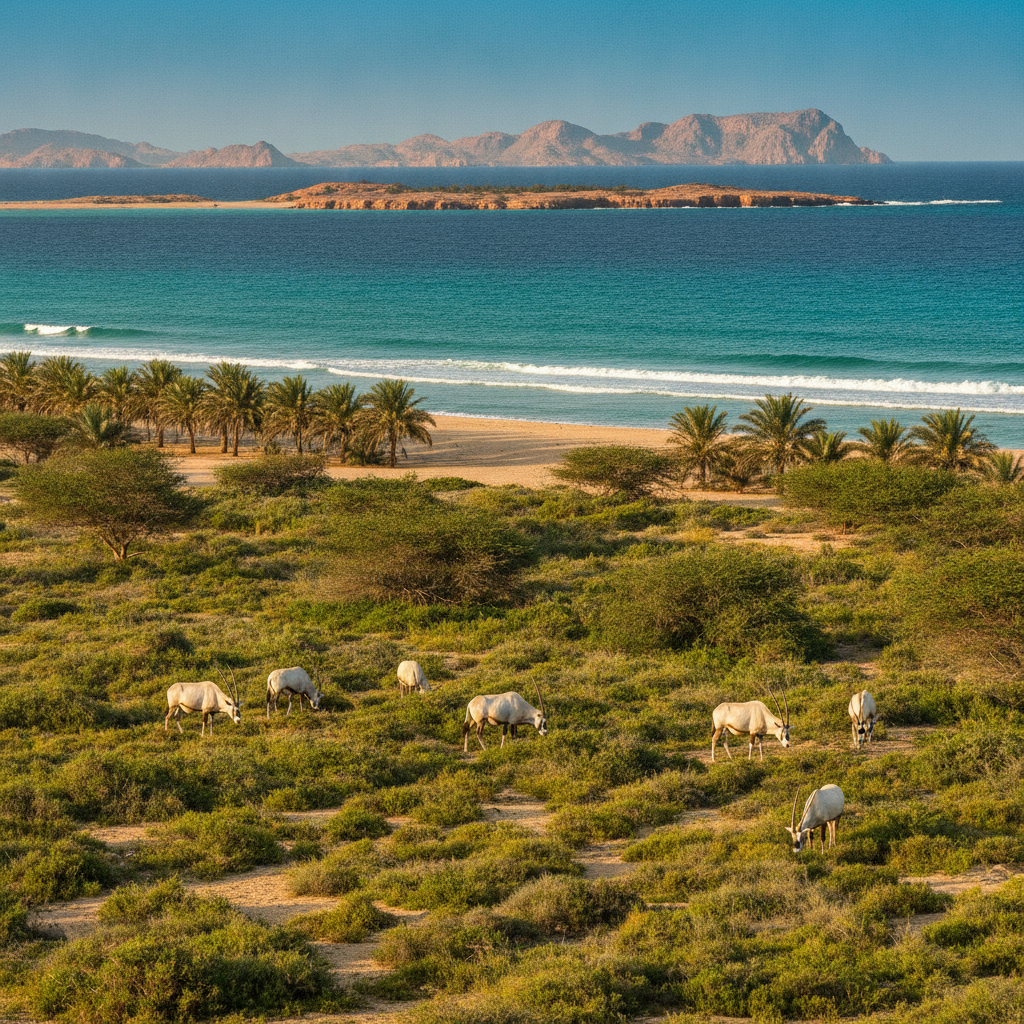
Abu Dhabi Day Trips: Dubai in 90 Minutes, Arabian Oryx on Sir Bani Yas Island & the Empty Quarter
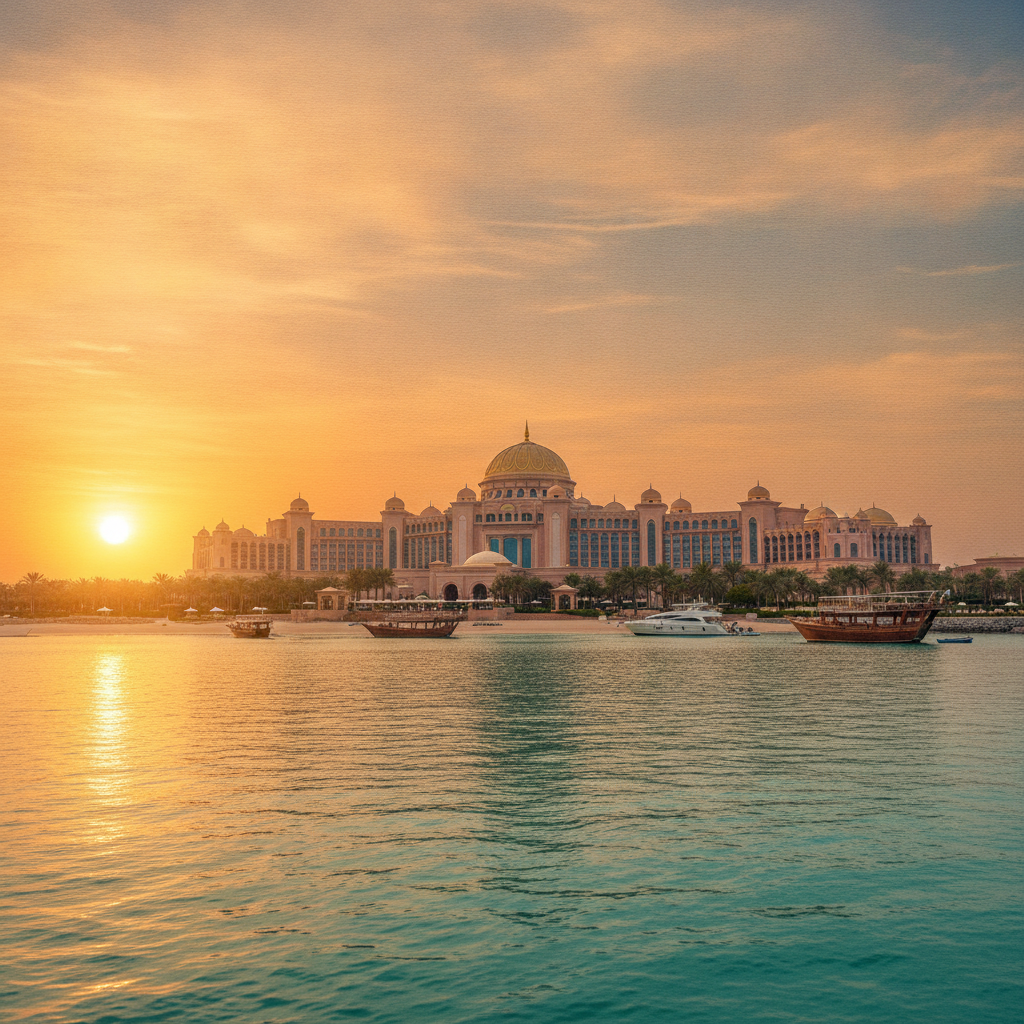
Abu Dhabi Culture & Food: Emirati Harees, Emirates Palace's Gold Cappuccinos & Camel Racing