Abu Dhabi Practical Guide: World's Largest Terminal, Dress Code & a $700 Billion Wealth Fund
Navigate Abu Dhabi practically—the new Zayed International Airport (world's largest single terminal at 742,000 m², opened 2023), car-oriented city where Uber beats the bus for everything, November–March for F1 and outdoors, stricter public modesty rules than Dubai, the annual Abu Dhabi Art fair on Saadiyat Island, and context for the wealth behind it all: 90 billion barrels of oil reserves and the world's third-largest sovereign wealth fund.
- 1
Getting to Abu Dhabi – Zayed International Airport
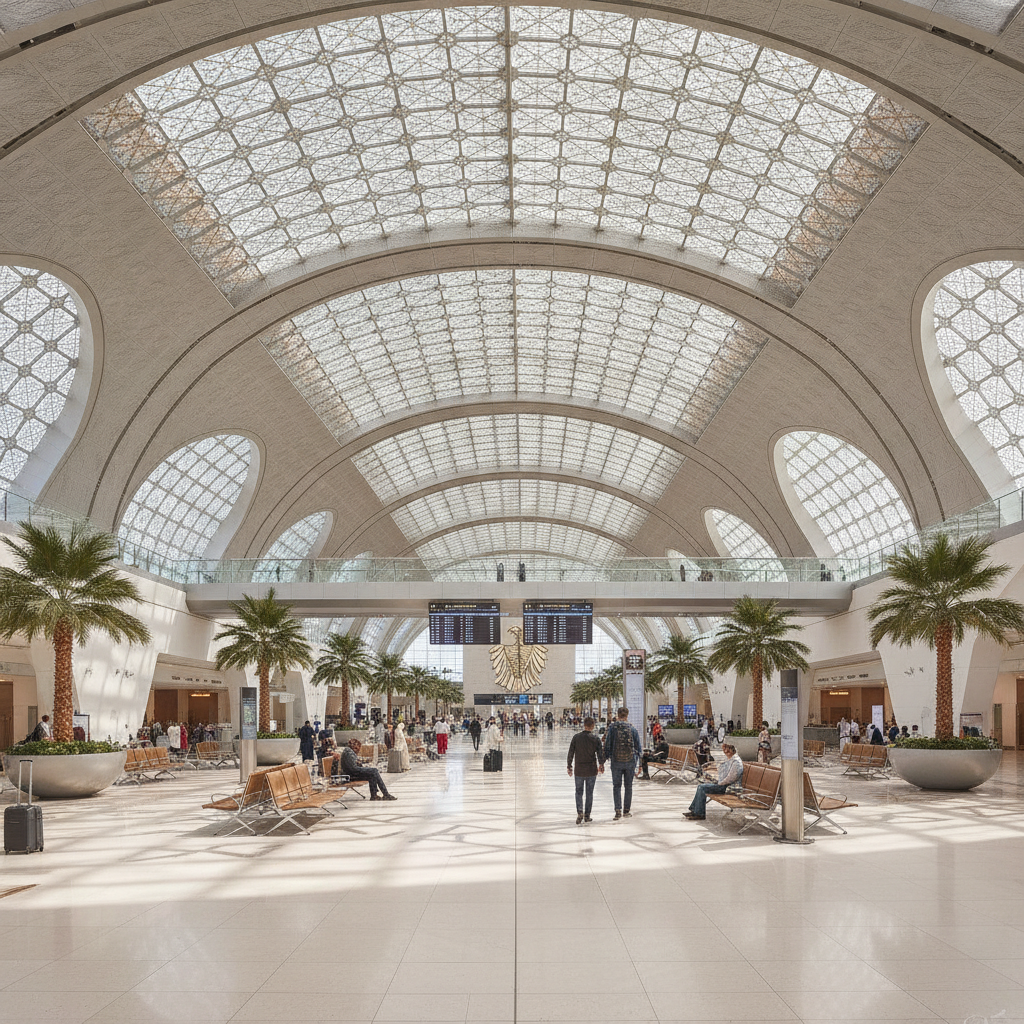
Abu Dhabi International Airport (AUH)—currently being replaced by the new Zayed International Airport (opened 2023, the world's largest single-terminal airport at 742,000 m²)—is served by Etihad Airways (Abu Dhabi's flag carrier), British Airways, Lufthansa, Air France, and most major carriers. The Etihad Rail network (under construction) will eventually connect Abu Dhabi to Dubai and the broader Gulf rail network. Bus transport between Abu Dhabi and Dubai (every 30 minutes, AED25/€6) is the standard inter-city connection for budget travellers.
- 2
Getting Around Abu Dhabi
Abu Dhabi's public transport consists of buses and the Abu Dhabi Bus network—functional but slow. Taxis (Karwa, Abu Dhabi Taxi) and Uber are practical and cheap for city distances. The city is very car-oriented—distances between attractions are considerable (the Grand Mosque to the Corniche is 15 km; Saadiyat Island to Yas Island is 30 km). Car hire is practical and affordable; driving in Abu Dhabi is easier than Dubai with better traffic flow. The Abu Dhabi Metro (planned) has not yet been built; the bus system is the only public transport option.
- 3
Best Time to Visit Abu Dhabi
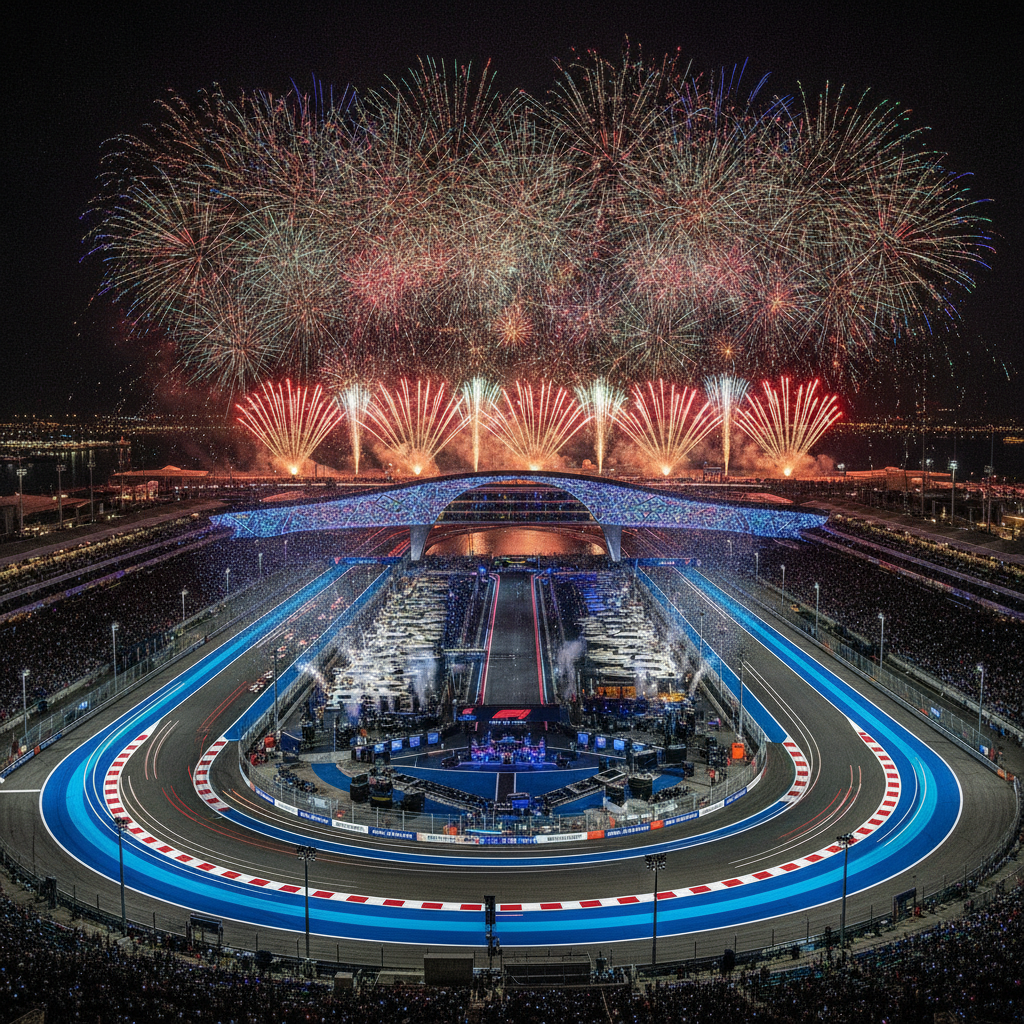
Abu Dhabi's climate is extreme: summer (May–September) reaches 45°C with high humidity, making outdoor activity genuinely dangerous. The cool season (November–March) offers temperatures of 18–28°C—ideal for beach, outdoor cultural sites, and the F1 Grand Prix (November). The Abu Dhabi Film Festival, the Abu Dhabi Art fair, and the Formula E electric race (March) are the main autumn–winter cultural events. Ramadan (dates vary) brings a different city atmosphere—daytime quiet, spectacular Iftar gatherings at sunset, and extended evening activity.
- 4
Alcohol, Dress Code & Cultural Sensitivity
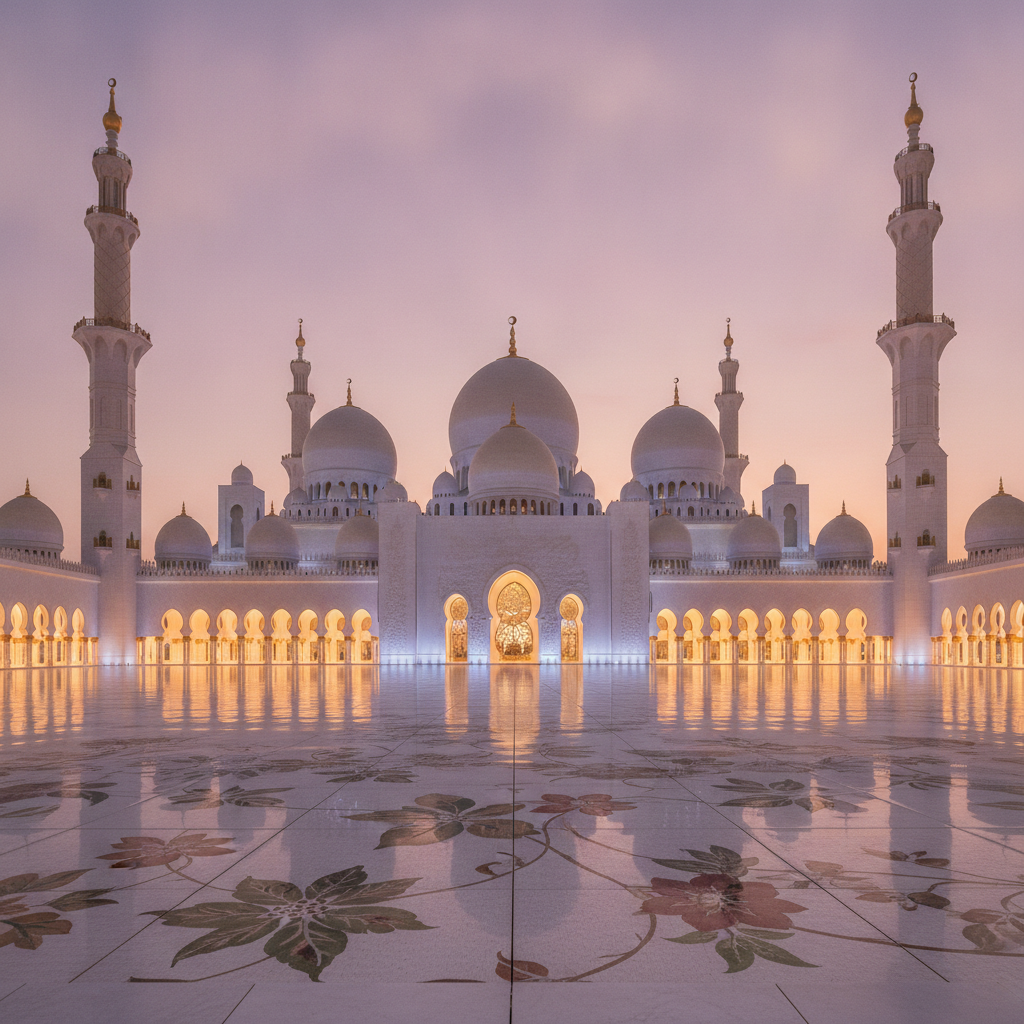
Abu Dhabi is more conservative than Dubai in cultural expectations. Alcohol is served in licensed hotel restaurants and bars but not in public restaurants. Public displays of affection are legally prohibited. Dress code in public areas requires covered shoulders and knees (stricter enforcement than Dubai); at the Grand Mosque, full covering is required (abayas provided free at the entrance). Photography of government buildings, military installations, and people without permission is legally sensitive. Ramadan fasting rules (no eating or drinking in public during daylight hours) apply to all residents and visitors.
- 5
Abu Dhabi's Art Scene – Art Abu Dhabi & Galleries
Abu Dhabi Art (annual, November) is the Gulf's premier art fair—held at the Manarat Al Saadiyat cultural centre on Saadiyat Island, it brings 50+ international galleries and presents a programme of UAE and regional artists. The Manarat Al Saadiyat also stages major temporary exhibitions throughout the year, including UAE National Day installations and Louvre Abu Dhabi touring shows. The Cultural Foundation in the old downtown (Al Hosn Fort complex) hosts film screenings, theatre, and emerging Emirati art.
- 6
Abu Dhabi's Sovereign Wealth & Global Investments
Abu Dhabi Investment Authority (ADIA) manages approximately $700 billion in assets—the world's third-largest sovereign wealth fund after Norway's Government Pension Fund and China Investment Corporation. Mubadala (Abu Dhabi's strategic investment company) owns stakes in semiconductor firm GlobalFoundries, aerospace company Airbus, and technology companies worldwide. Abu Dhabi's oil reserves—90 billion barrels, 7% of the world's total—will last over 100 years at current production rates. This context explains the scale of investment in culture (Louvre, Guggenheim), sport (Manchester City), and urban development that defines modern Abu Dhabi.
Walk this route with audio
Stories play automatically as you reach each stop — no tapping needed.
More in Abu Dhabi
Abu Dhabi Essentials: Grand Mosque, Louvre Under Jean Nouvel's Rain-of-Light Dome & F1 Circuit
Abu Dhabi Reality: 90% Expat Population, Kafala Labour System & Manchester City's Owner
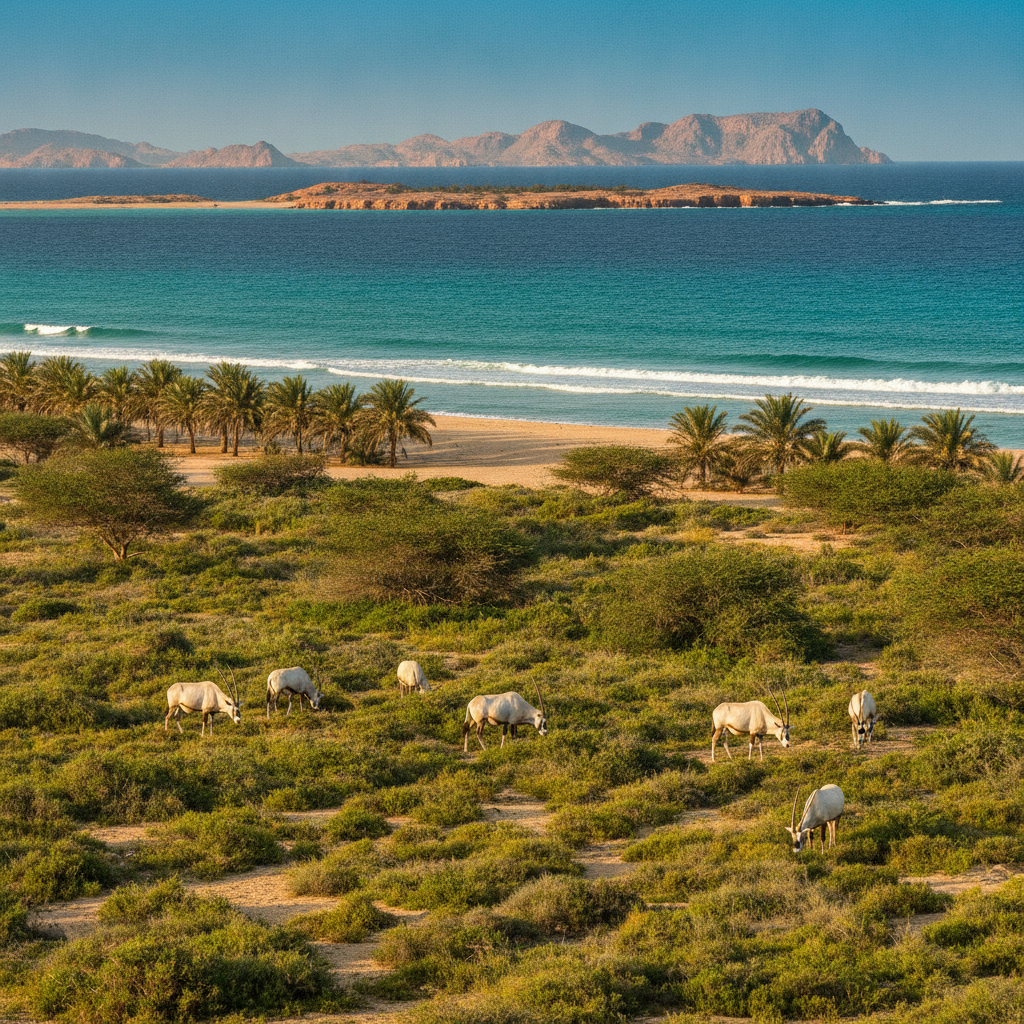
Abu Dhabi Day Trips: Dubai in 90 Minutes, Arabian Oryx on Sir Bani Yas Island & the Empty Quarter
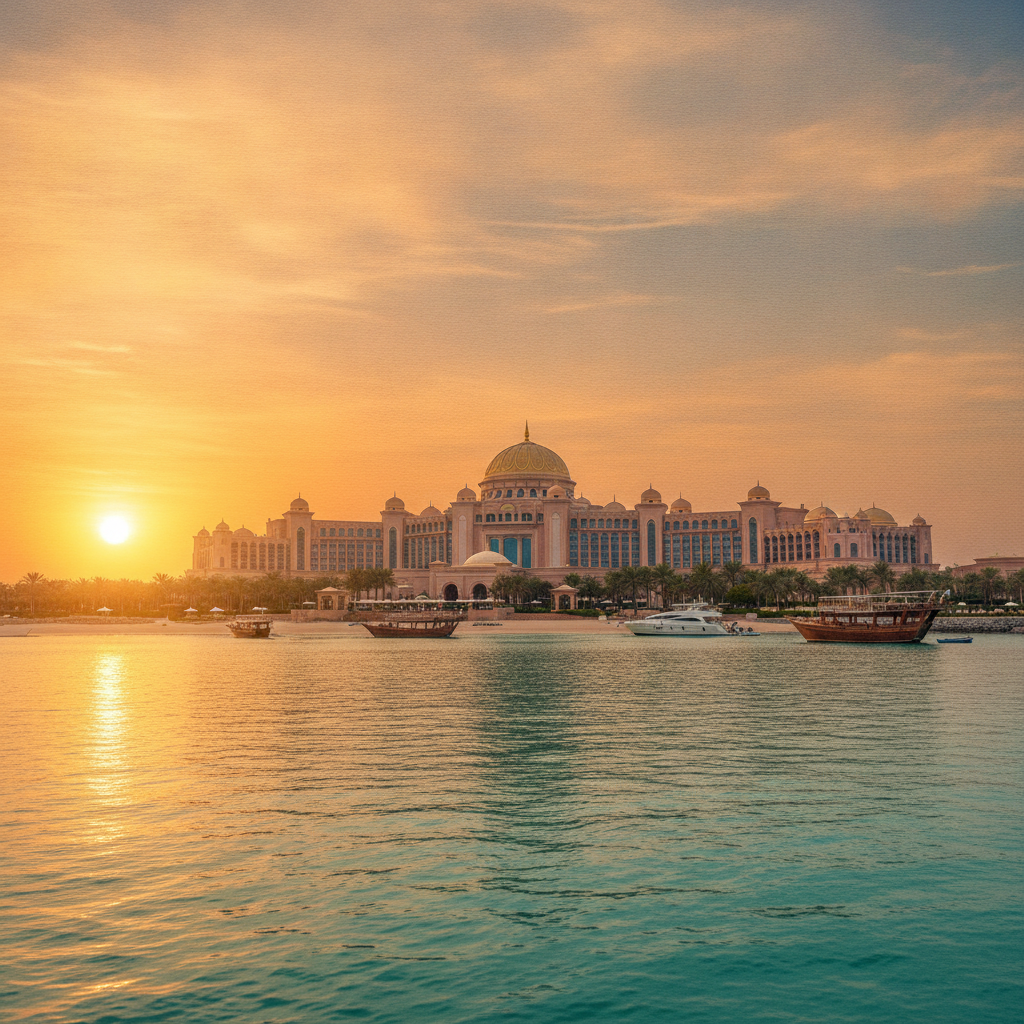
Abu Dhabi Culture & Food: Emirati Harees, Emirates Palace's Gold Cappuccinos & Camel Racing