Abidjan Neighborhoods, Transport, Photography, and the City Practical Deep Dive
The Abidjan practical deep dive: the Cocody and Deux-Plateaux expat neighborhoods, the woro-woro taxis and gbaka transport, the Abidjan photography guide, the city safety context, and the day-to-day practical information for the visitor.
- 1
Cocody and Les Deux-Plateaux - The Abidjan Upscale Districts
Cocody: the primary upscale residential and commercial district of Abidjan. The Cocody neighborhood includes the Deux-Plateaux area (the most upscale residential neighborhood: the restaurants, supermarkets, and boutiques of Deux-Plateaux are the primary destination for the Abidjan expatriate community and the Ivorian upper class). The hotels of Cocody (the primary international hotels of Abidjan (the Hotel Ivoire (landmark hotel with a convention center, shopping mall, and the only ice skating rink in West Africa), the Sofitel Abidjan Hotel Ivoire, the Pullman Abidjan, and other international chains are in the Cocody and Plateau areas)). The restaurants of Deux-Plateaux (the international cuisine of Deux-Plateaux: Lebanese, Chinese, French, and West African restaurants: the primary dining destination for the international community). The Cocody craft market (the Marche des Arts et Artisanat de Cocody: the primary tourist shopping destination for Ivorian handicrafts: wooden masks, Kente-style cloth, batik fabric, and sculpture).
- 2
The Woro-Woro and Gbaka - Navigating Abidjan Public Transport
Abidjan public transport: the woro-woro shared taxis and the gbaka minibuses. The woro-woro (the shared taxi: the primary public transport of Abidjan: a conventional sedan car (typically a Renault or Peugeot) that follows a fixed route and picks up and drops off passengers along the route: the fare is fixed by the distance and the route (typically 150-300 CFA francs per ride: approximately USD 0.25-0.50): the woro-woro is extremely affordable but requires knowing the routes and the stops). The gbaka (the minibus: the larger shared transport vehicle serving longer urban routes: more comfortable than the woro-woro for longer distances). The Sotra bus network (the SOTRA: the Société des Transports Abidjanais: the formal public bus network of Abidjan: the SOTRA operates a network of bus routes across the city: the buses are more comfortable but less frequent than the woro-woro). The Uber (Uber operates in Abidjan: the most comfortable transport option for visitors). The bateau-bus (the lagoon motor canoe ferry: the most atmospheric transport option in Abidjan (see the Ebrie Lagoon route for full description)). The Abidjan traffic (similar to Lagos in intensity: allow significant extra time during rush hours (7-9am and 5-7pm))
- 3
Abidjan Photography Guide - Markets, the Lagoon, and the City Life
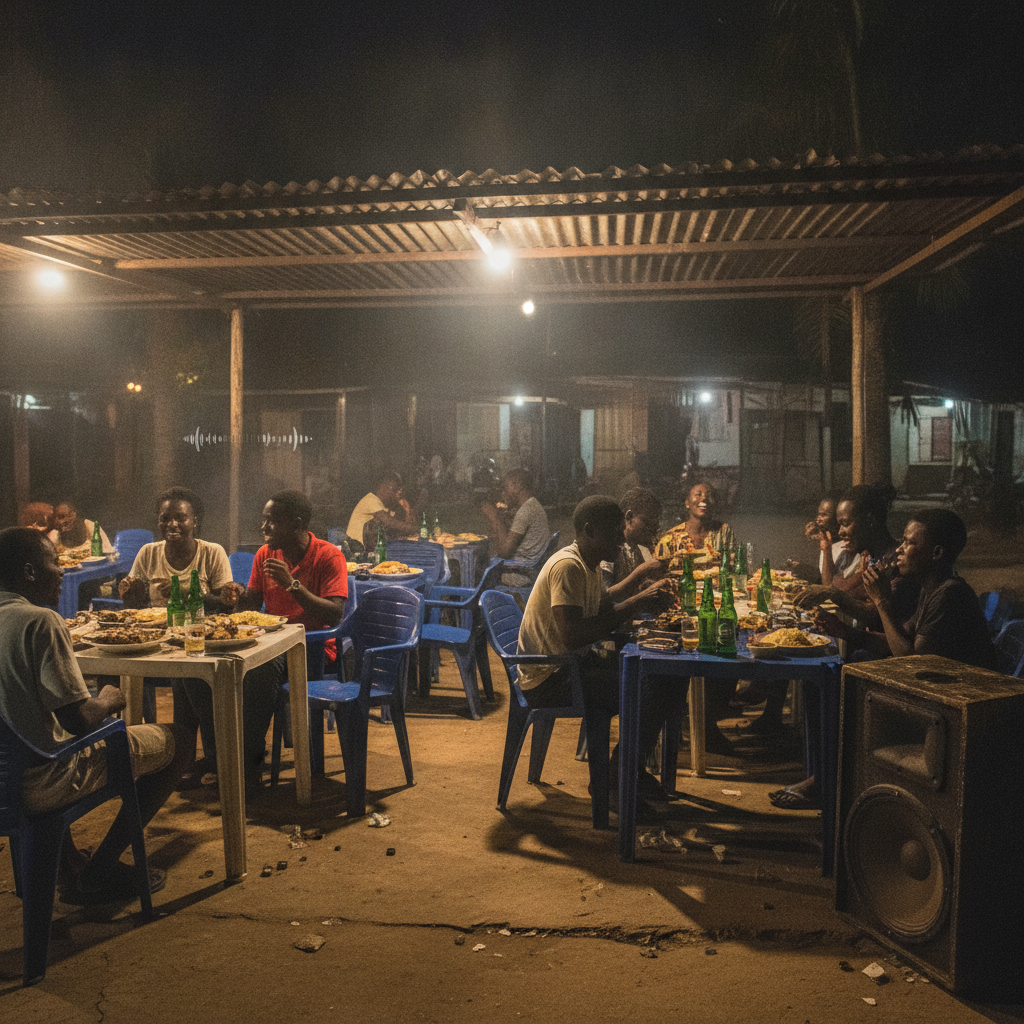
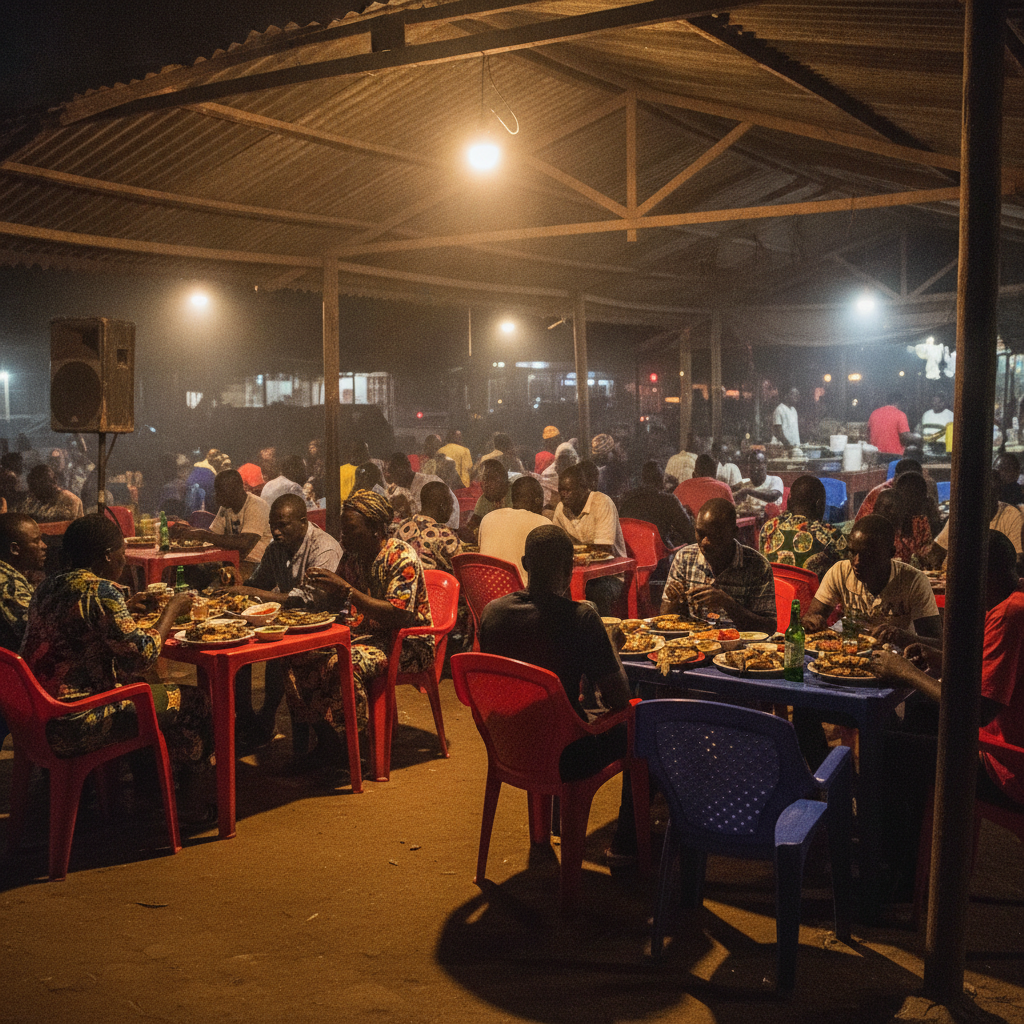
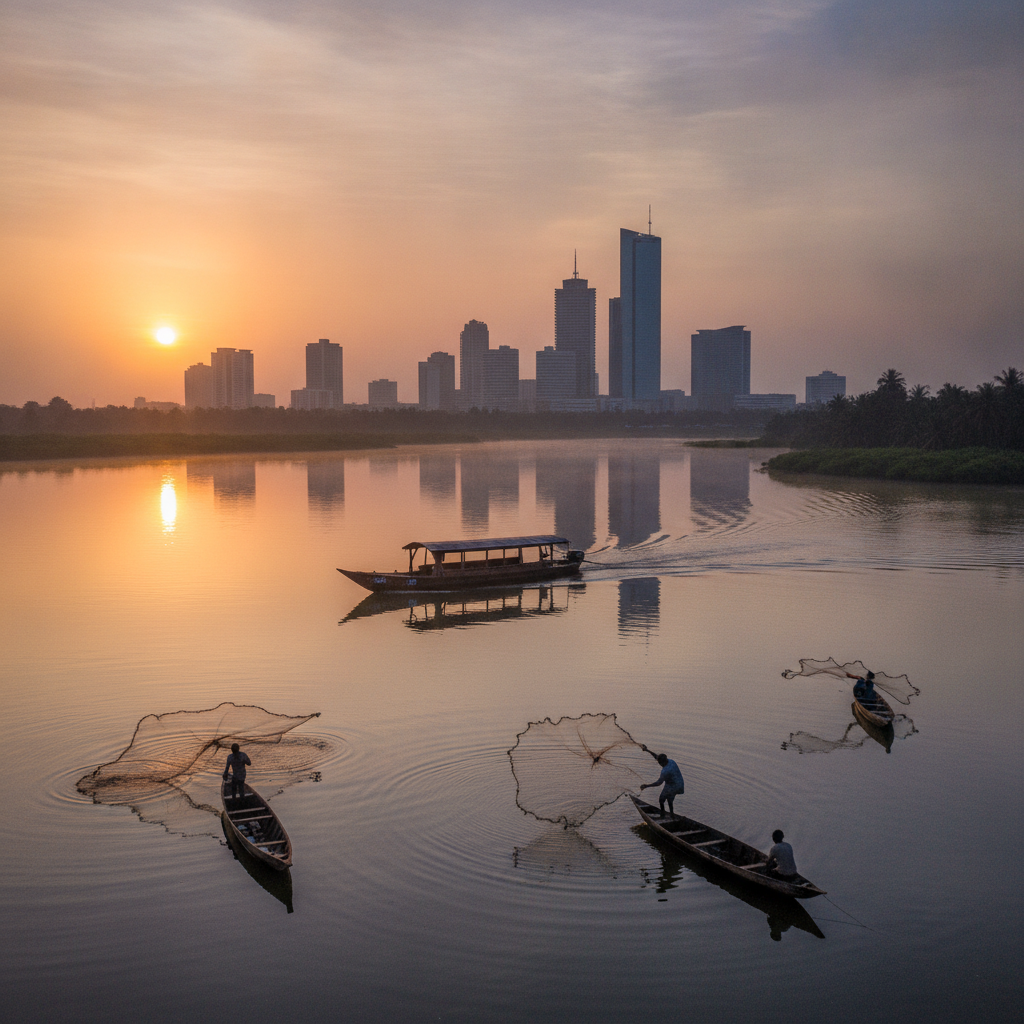
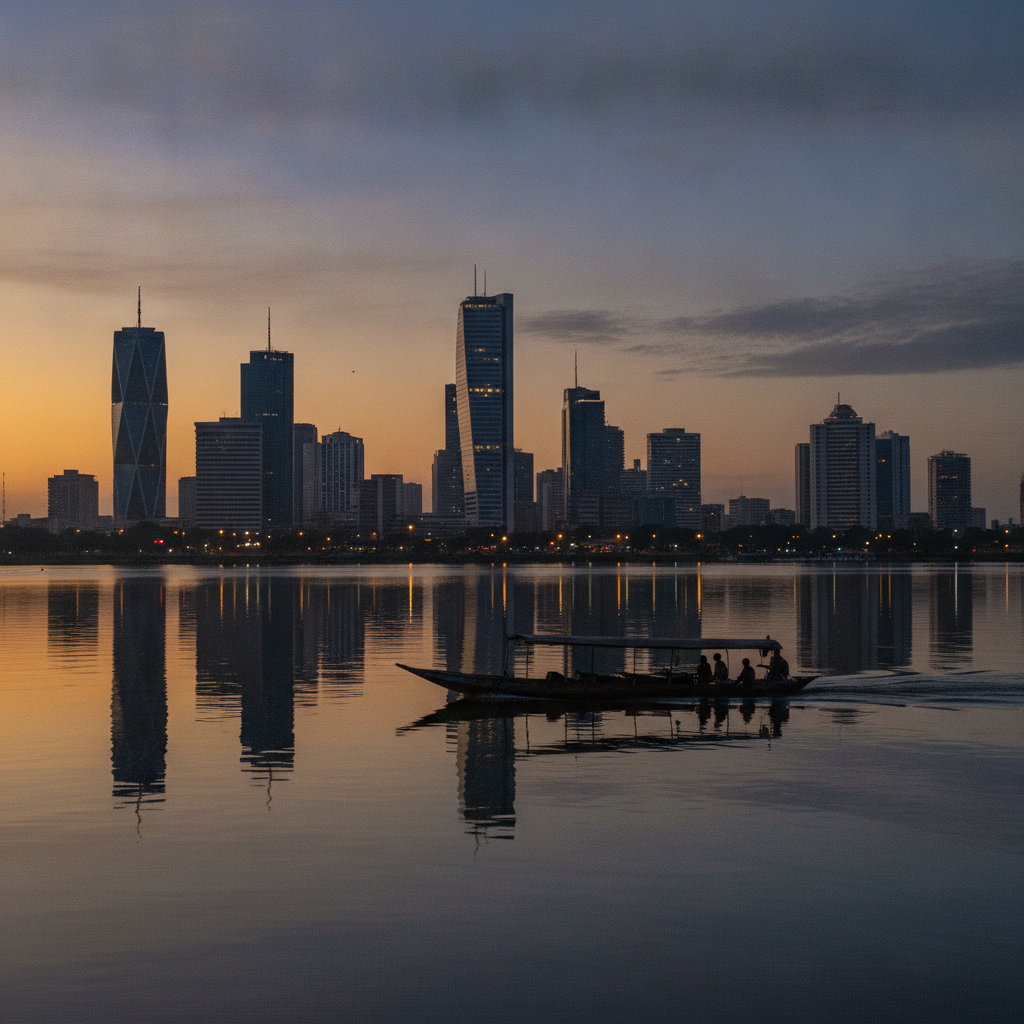
The Abidjan photography guide: capturing the energy and beauty of the lagoon city. The Treichville market (the most photogenic market in Abidjan: the fabric section (the vivid colors of the Ankara and wax-print fabrics), the food section (the attieke sellers, the fish, the vegetables), and the general commercial energy: ask permission before photographing individuals). The lagoon and the bateau-bus (the Ebrie Lagoon is extremely photogenic: the reflections of the Plateau skyline in the lagoon water, the bateau-bus motor canoes in motion, the fishermen casting nets). The Soumbedioune equivalent in Abidjan (the Treichville fish market on the lagoon: the pirogues bringing fresh catch from the lagoon, the fish cleaning and selling activity: best photographed in the early morning). The night photography (the Abidjan maquis at night: the warm light, the grills, the tables under the stars, the social life: excellent documentary photography opportunities). The morning market (the Abidjan morning market activity in every neighborhood: the market women (the nanas-benz (the market women of Togo and Ivory Coast who dominate the fabric trade)) carrying goods on their heads).
- 4
Islam and Christianity in Abidjan - The Religious Mix of Ivory Coast
Religion in Ivory Coast: approximately 42% Muslim, 34% Christian, and 24% traditional and other religions (the national average: the urban Abidjan religious mix is somewhat more Christian due to migration from the Christian south). The mosque (the Grand Mosque of the Plateau: the primary mosque in the central Abidjan Plateau: the Friday prayer attracts thousands of worshippers). The Cathedral of Abidjan (the Cathedrale Saint-Paul d Abidjan: the modern Catholic cathedral designed by Italian architect Aldo Spirito (completed 1985): the cathedral features large stained glass windows and a dramatic modernist architecture that has earned it the nickname the spaceship cathedral). The Harrist Church (the Harris Church: the indigenous Ivorian Christian denomination founded by the Liberian prophet William Wade Harris (1865-1929) who preached along the Ivory Coast and Gold Coast (Ghana) coast between 1913 and 1915 converting an estimated 100,000-200,000 people: the Harris movement is the largest indigenous African Christian denomination in Ivory Coast). The religious coexistence (Ivory Coast has generally maintained a positive tradition of religious coexistence and interfaith tolerance despite the political conflicts of the 2000s which had religious dimensions)
- 5
Abidjan Food Deep Dive - The Best Restaurants and the Maquis Experience
Abidjan food deep dive: where to eat and what to order. The maquis (the essential Abidjan dining experience: an outdoor restaurant serving attieke with grilled fish, alloco, and kedjenou: the best maquis are in the residential neighborhoods of Cocody, Treichville, and Marcory: the maquis experience involves sitting at plastic tables under corrugated iron roofs or in open courtyards, choosing your fish from a cooler, and waiting for it to be grilled over charcoal). The best attieke (the attieke quality varies significantly: the freshly prepared attieke (made from freshly fermented and processed cassava) has a superior texture and flavor to the mass-produced attieke sold in sealed packages: the market women selling fresh attieke in the morning markets). The high-end restaurants (the Abidjan fine dining scene: the French restaurants of the Plateau and Cocody (the French population in Abidjan is one of the largest in West Africa at approximately 20,000-25,000 people): the Lebanese restaurants (the Lebanese community is one of the most significant in West Africa and the Lebanese restaurants of Abidjan are excellent)). The Ivorian beer (the Flag beer (the primary Ivorian lager), the Bock beer, and the palm wine (the traditional fermented palm sap beverage): the palm wine is tapped fresh and consumed the same day)
- 6
Abidjan Six-Route Ultimate Legacy - The Ivory Coast Final Reference
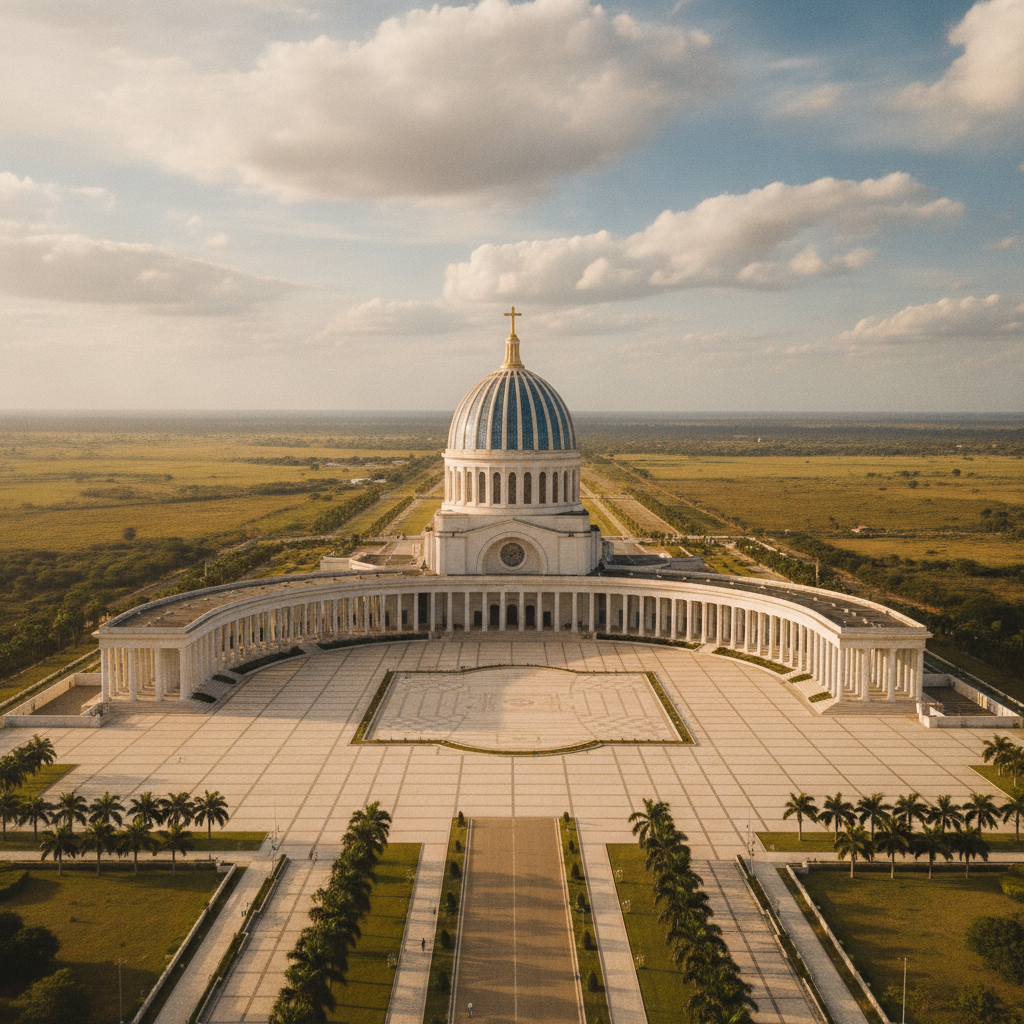
Abidjan six routes ultimate complete reference. Route 1: the lagoon city, Plateau skyline, Treichville market, attieke and Ivorian cuisine, music (Zouglou, Coupe Decale), practical guide. Route 2: Houphouet-Boigny and independence, Yamoussoukro Basilica, civil war and recovery. Route 3: MASA festival, Baoule and Dan traditional art, maquis culture, Ebrie Lagoon, Abidjan vs Dakar. Route 4: Grand Bassam UNESCO, Tai National Park UNESCO chimpanzees, Comoe National Park, Assinie beaches, cocoa economy. Route 5: Cocody and Deux-Plateaux neighborhoods, woro-woro transport, photography guide, Islam and Christianity, food deep dive. Route 6 (this route): final legacy. Ivory Coast superlatives: the world largest cocoa producer (45% of world production), the busiest port in West Africa, the largest national park in West Africa (Comoe, 11,500 km2), the largest dome in the world (Yamoussoukro Basilica, 158 meters). The Abidjan visit recommendation: 3-5 days for the city circuit, add Grand Bassam (1 day), and Yamoussoukro (1 night). For the complete Ivory Coast experience: add Assinie (beach, 1 night) and for the serious wildlife traveler, plan a 3-day Tai National Park trip with a specialist operator. November to April is the optimal visiting period.
Walk this route with audio
Stories play automatically as you reach each stop — no tapping needed.
More in abidjan
Abidjan Legacy: Houphouet-Boigny, the Yamoussoukro Basilica, Civil War History, Ivorian Art, Grand Bassam, and Tai Forest
Grand Bassam UNESCO and Tai National Park - Ivory Coast Heritage and Nature
Abidjan Deep Dive: MASA Festival, Ivorian Art, Maquis Culture, the Ebrie Lagoon, and the Complete Ivory Coast Legacy
Abidjan: Lagoon City, the Plateau Skyline, Ivorian Cuisine, Music, and the Complete Ivory Coast Guide