Abidjan Deep Dive: MASA Festival, Ivorian Art, Maquis Culture, the Ebrie Lagoon, and the Complete Ivory Coast Legacy
Abidjan comprehensive coverage: the MASA performing arts festival, Baoule and Dan traditional masks, the maquis outdoor restaurant culture, the Ebrie Lagoon bateau-bus life, the Abidjan vs Dakar comparison, and the six-route complete Ivory Coast legacy reference.
- 1
MASA Festival and Ivorian Performing Arts
The MASA (Marche des Arts du Spectacle Africain): the biennial African performing arts festival in Abidjan, one of the most significant cultural events in Africa. Held every two years since 1993, the festival showcases theater, dance, music, and circus from across Africa and the African diaspora. The festival attracts producers, promoters, and cultural organizations from around the world who come to discover African performing arts for international tours. The Palais de la Culture de Treichville (the primary venue) hosts performances alongside multiple outdoor stages across Abidjan.
- 2
The Baoule and Dan Peoples - Traditional Ivorian Art and Mask Culture
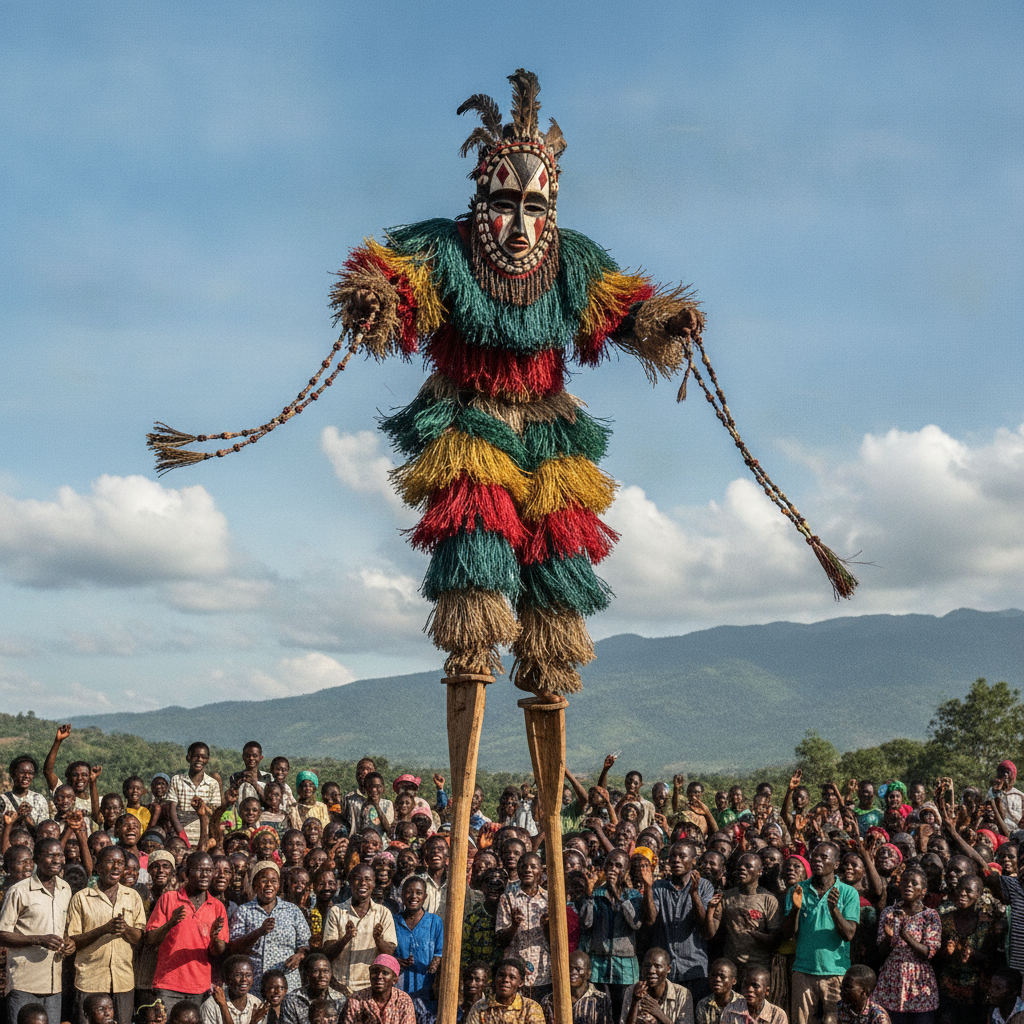
The Baoule people (the dominant ethnic group of south-central Ivory Coast): famous for their wooden spirit-spouse sculptures (the blolo bian and blolo bla: the spirit husband and spirit wife that the Baoule believe each person has in the spirit world) and their elaborate funerary masks. The Dan (Yacouba) people of western Ivory Coast: one of the most significant mask-making traditions in West Africa: the spectacular Dan masks include the deangle mask (the beautiful female entertainment mask), the ge-pele fire mask, and the racing mask used in festivals. Dan masks are among the most sought-after African art objects in international collections. The Galerie Cécile Fakhoury in Abidjan is the primary commercial contemporary art space representing Ivorian contemporary artists.
- 3
Abidjan Street Food Night Market - The Maquis Culture
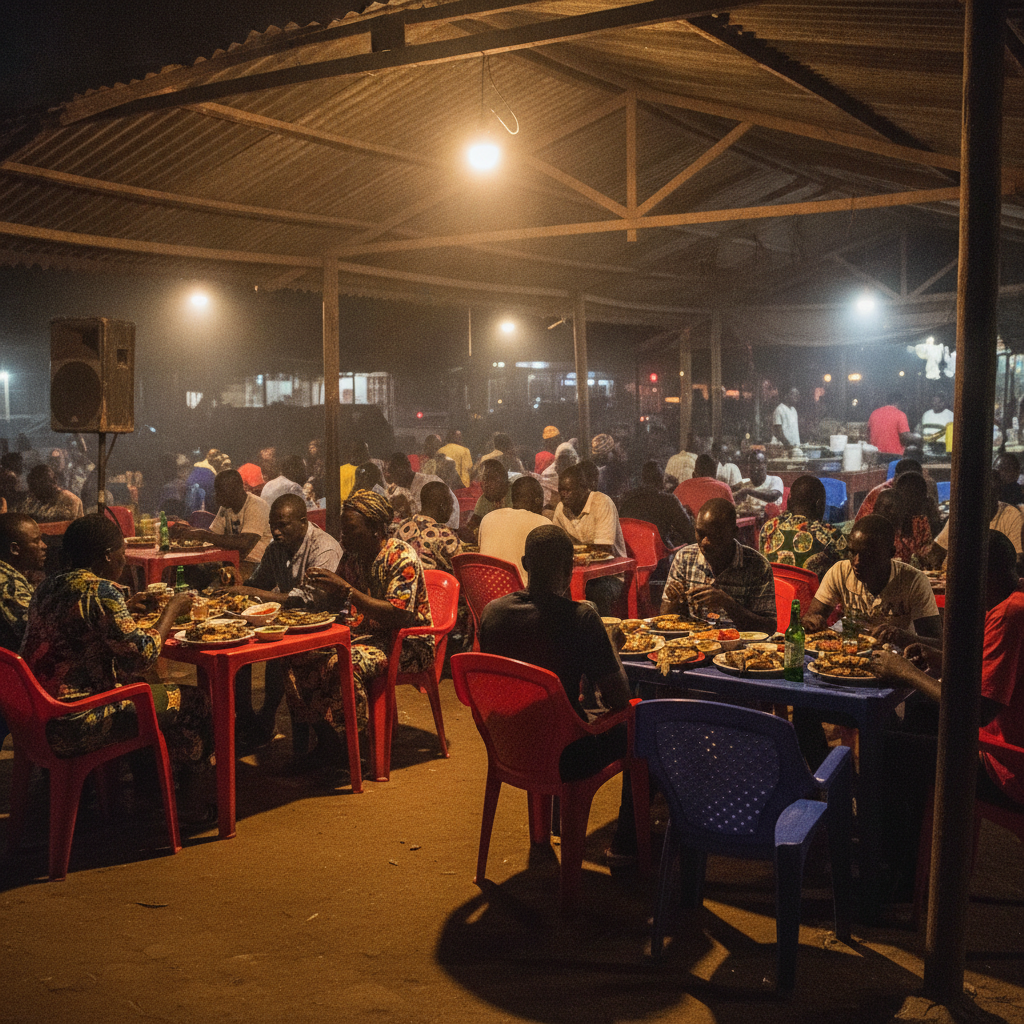
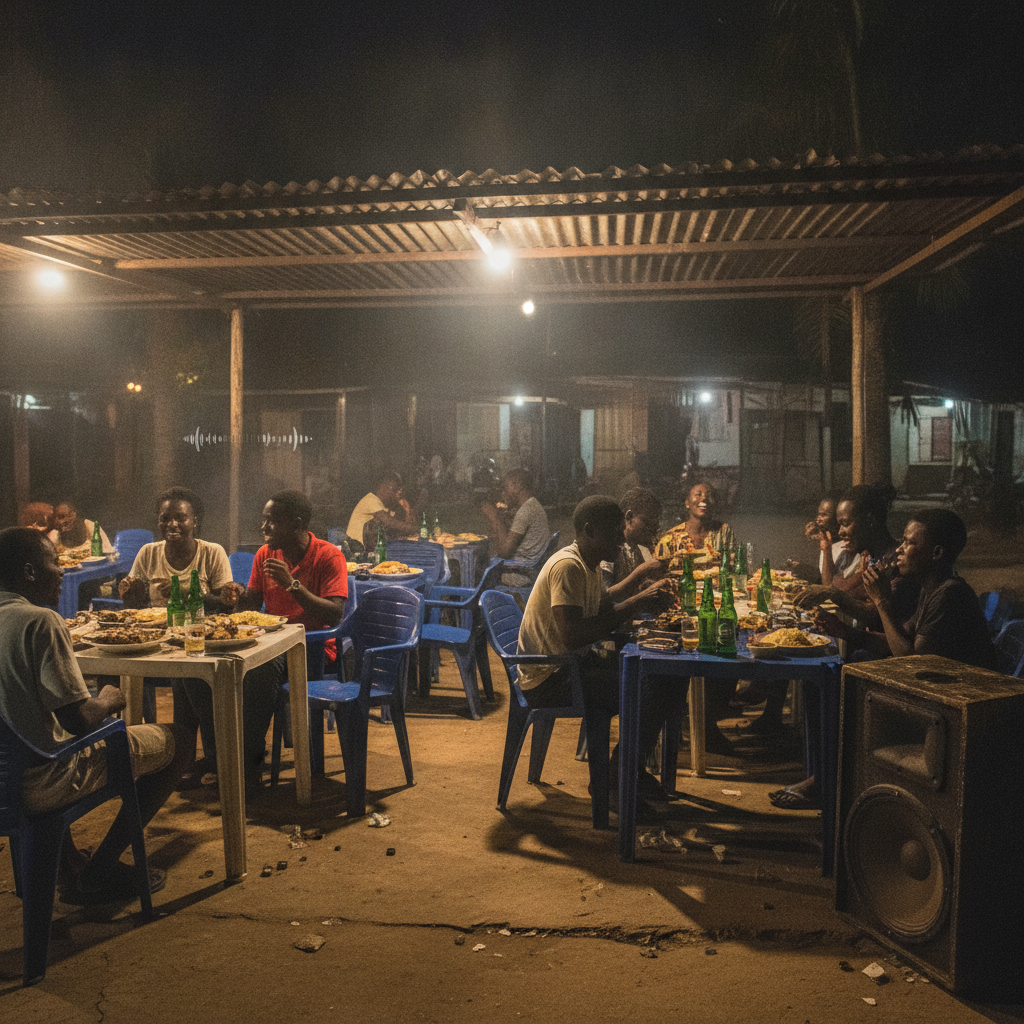
The Ivorian maquis: the outdoor restaurant-bar that is the defining social and food institution of Abidjan. The maquis (the term is borrowed from French resistance vocabulary: in Ivory Coast it describes an informal open-air restaurant, typically operating in the evening from tables under a corrugated iron roof or in an open courtyard): the maquis menu (the classic maquis menu: attieke and poisson braise (grilled tilapia), alloco (fried plantain), kedjenou chicken, and grilled brochettes (meat skewers)): the maquis social function (the maquis is where Abidjanais go for an affordable dinner, to drink cold Bock beer (the Flag lager or the Solibra beer), to listen to music, and to socialize: the maquis is the primary social space of the Abidjan working and middle class). The garba stands (the garba: the most popular street food in Abidjan: attieke with fried tuna: the garba stands are ubiquitous in every Abidjan neighborhood: the primary affordable lunch for ordinary Abidjanais).
- 4
The Ebrie Lagoon - Boat Life and the Water City
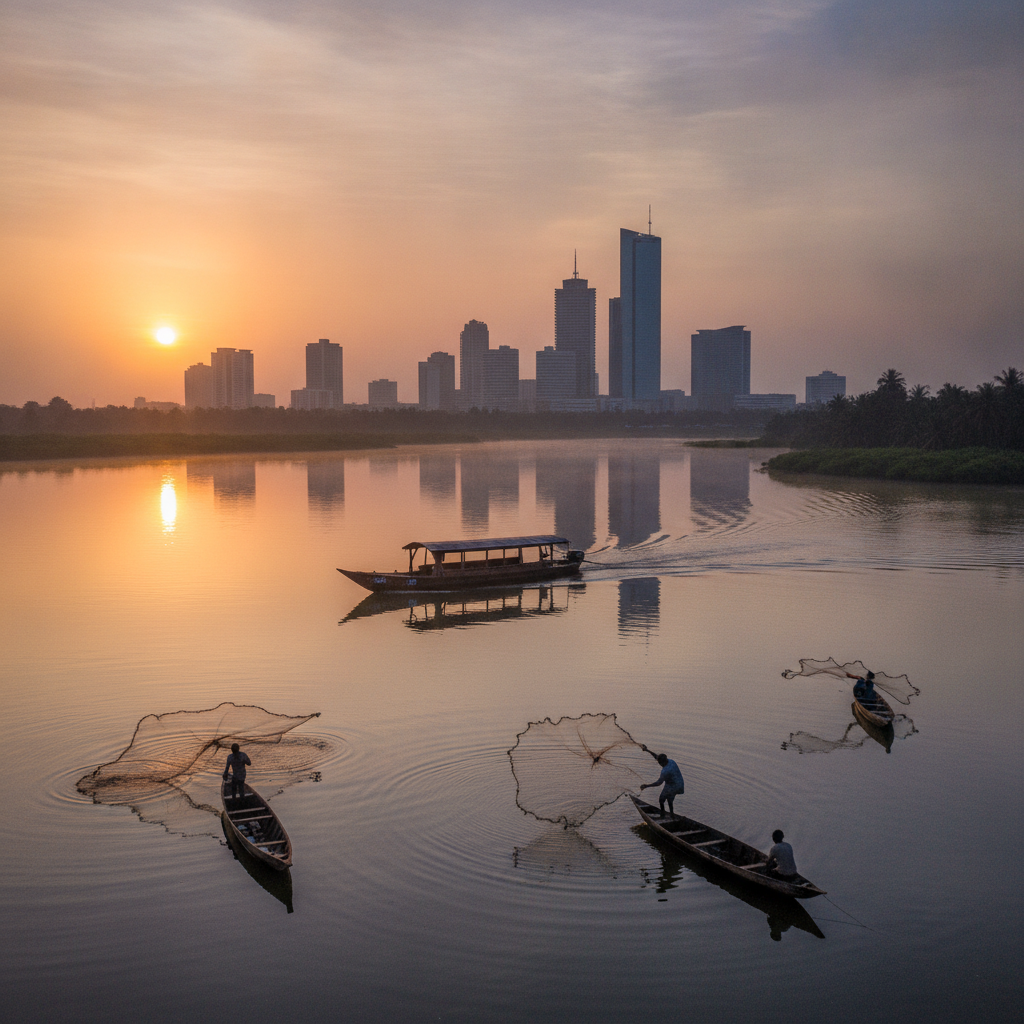
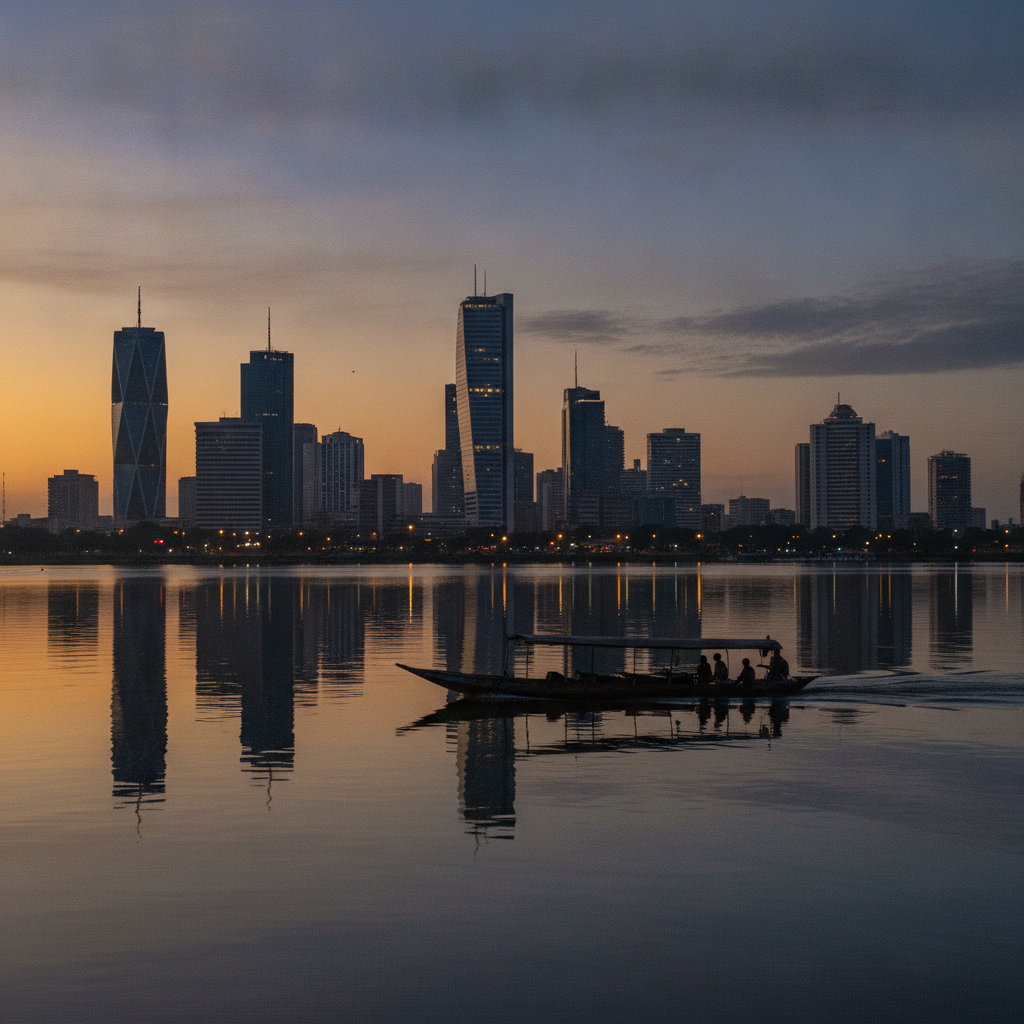
The Ebrie Lagoon: the 560 square kilometer lagoon system that defines the geography of Abidjan and is the most distinctive feature of the city. The lagoon connects the city districts by water (the bateau-bus (the motor canoe transport): the traditional wooden motor canoes that operate regular services between the Plateau, Treichville, Adjame, and other lagoon-front districts: the bateau-bus is the most atmospheric transport option in Abidjan). The lagoon fishing (the artisanal fishing on the Ebrie Lagoon: the fishermen from the Abidjan lagoon communities who fish the lagoon with nets and traps: the lagoon fish market at Treichville). The lagoon villages (the Ebrie lagoon villages: the Ebrie people (the indigenous people of the Abidjan lagoon area who were the original inhabitants of the lagoon before the French colonial establishment of Abidjan): some Ebrie villages remain on islands in the lagoon, accessible only by pirogue).
- 5
Abidjan vs Dakar - The Francophone West Africa City Comparison
Abidjan and Dakar are the two primary Francophone West African capitals. Abidjan advantages: larger population (5-6 million vs 3.5 million), more commercially dynamic, the most significant port in West Africa, stronger economic growth in recent years (8%+ annually 2012-2023), a more cosmopolitan mix of nationalities from across West and Central Africa (the Ivorian population includes large communities from Burkina Faso, Mali, Guinea, Senegal, and Ghana). Dakar advantages: greater political stability and longer democratic tradition, more sophisticated cultural life (Dak Art Biennale, Goree Island UNESCO heritage, deeper Negritude intellectual tradition), better visitor infrastructure, no visa for most nationalities (Ivory Coast requires a visa for most nationalities), and the teranga hospitality culture. The food: Ivorian cuisine (attieke, kedjenou) is outstanding and rivals the Senegalese: the maquis culture is an excellent dining institution. The recommendation: visit both on a Francophone West Africa circuit (Dakar to Abidjan is 1.5 hours by air with Air Senegal or Air Cote d Ivoire).
- 6
Abidjan Complete Reference - Ivory Coast Six-Route Final Legacy
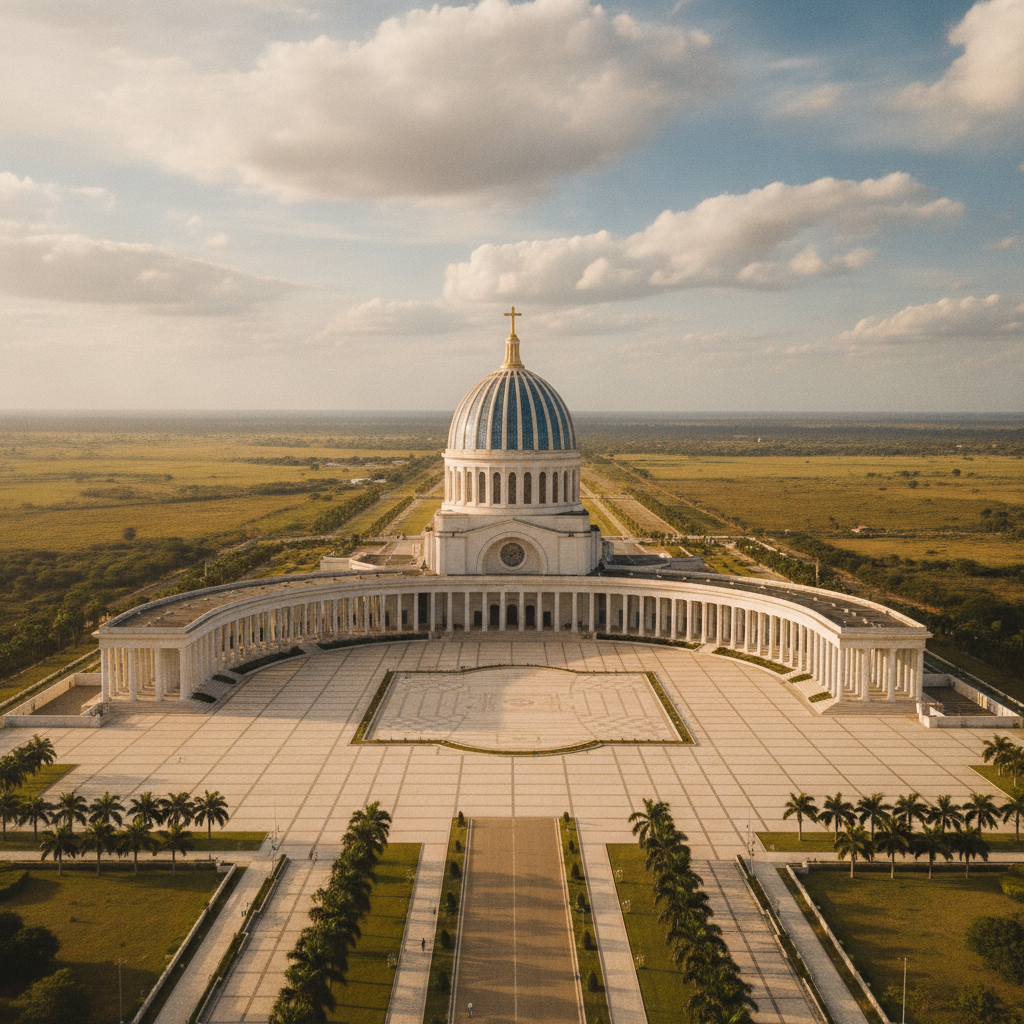
Abidjan complete reference. All six routes: Route 1 (the Plateau skyline and lagoon city geography, Treichville market, attieke-kedjenou cuisine, Zouglou and Coupe Decale music, Ivory Coast practical guide): Route 2 (Houphouet-Boigny, the Yamoussoukro Basilica with the world largest dome, the civil war 2002-2011 and recovery): Route 3 (MASA festival, Baoule and Dan traditional art and masks, the maquis outdoor restaurant culture, the Ebrie Lagoon boat life, Abidjan vs Dakar): Route 4 (Grand Bassam UNESCO colonial capital, Tai National Park chimpanzees): Routes 5-6 (this final reference). Abidjan final: the economic capital of Francophone West Africa, the largest port in the region, and a city whose maquis culture, attieke dinners, and Coupe Decale soundtrack make it one of the most enjoyable cities in Africa for an extended stay. The Ivory Coast economic recovery (2012-present) has transformed Abidjan into a modern, confident city undergoing rapid development: the new Abidjan is being built around the lagoon with new bridges, shopping malls, and business towers. Best visited November to April in the dry season; the essential day trip is Grand Bassam (UNESCO, 40 km) and the essential overnight excursion is Yamoussoukro (the Basilica, 240 km).
Walk this route with audio
Stories play automatically as you reach each stop — no tapping needed.
More in abidjan
Abidjan Legacy: Houphouet-Boigny, the Yamoussoukro Basilica, Civil War History, Ivorian Art, Grand Bassam, and Tai Forest
Grand Bassam UNESCO and Tai National Park - Ivory Coast Heritage and Nature
Abidjan Neighborhoods, Transport, Photography, and the City Practical Deep Dive
Abidjan: Lagoon City, the Plateau Skyline, Ivorian Cuisine, Music, and the Complete Ivory Coast Guide