Grand Bassam UNESCO and Tai National Park - Ivory Coast Heritage and Nature
Ivory Coast natural and colonial heritage: Grand Bassam (the UNESCO World Heritage colonial capital 40 km from Abidjan), the Comoe National Park, and Tai National Park (UNESCO World Heritage and the last major West African rainforest, home to tool-using chimpanzees).
- 1
Grand Bassam - The UNESCO World Heritage Colonial Capital of French Ivory Coast
Grand Bassam: the first capital of French Ivory Coast (capital 1893-1900), 40 km east of Abidjan on a good road. The UNESCO historic quarter (designated 2012) preserves colonial-era buildings: the former governor residence, the colonial courthouse, the colonial hospital, and the trading post buildings of the French colonial companies (CFAO). The long Atlantic beach at Grand Bassam is popular with Abidjanais for weekend trips. The artisan market sells traditional Ivorian handicrafts. The combined UNESCO heritage walk and beach day makes Grand Bassam the most recommended day trip from Abidjan.
- 2
Tai National Park - The Last West African Rainforest and UNESCO World Heritage Site
Tai National Park: approximately 5,360 square kilometers of primary tropical rainforest in southwestern Ivory Coast, a UNESCO World Heritage Site. One of the last remaining areas of the Upper Guinean rainforest. The chimpanzees of Tai (Pan troglodytes verus) have been studied since the 1970s: the Tai chimpanzees are among the only wild animals known to use stone tools to crack palm nuts. The pygmy hippopotamus (Choeropsis liberiensis) is also present. Approximately 300 bird species recorded. Located approximately 400 km from Abidjan; best accessed with a specialist wildlife tour operator.
- 3
Comoe National Park - The Largest Protected Area in West Africa
Comoe National Park: the largest national park in West Africa at approximately 11,500 square kilometers, a UNESCO World Heritage Site in northeastern Ivory Coast. The park protects savanna, gallery forest, and river habitat. Wildlife includes lions, elephants, leopards, hippos, and approximately 500 bird species. The park suffered significant poaching pressure during the civil war period (2002-2011) but has been recovering since. Located approximately 600 km from Abidjan; accessible by road from Abidjan (approximately 8-10 hours) or by charter flight. Requires advanced planning and a specialist operator.
- 4
The Ivorian Atlantic Coast - Assinie and the Beach Resorts
The Ivorian Atlantic coast east of Abidjan: the beach resorts of Assinie and Assouinde. Assinie (the primary beach resort destination from Abidjan: located approximately 100 km east of Abidjan on the Atlantic coast: a long beach with relatively calm waters in a sheltered lagoon-sea setting: the Assinie beach clubs and resort hotels: a popular weekend destination for Abidjanais and expatriate residents). Assouinde (a quieter beach area east of Assinie). The Assinie lagoon (the lagoon behind the Assinie beach: pirogue trips on the lagoon: the lagoon fishing communities: birdwatching (the Assinie lagoon is home to herons, egrets, pelicans, and various wading birds)). The drive from Abidjan to Assinie (the road passes through the coastal lagoon landscape east of Abidjan (the Ebrié Lagoon continues eastward along the coast): the journey takes approximately 1.5-2 hours by road).
- 5
Ivorian Coffee and Cocoa - The Agricultural Foundation of Ivory Coast
Ivory Coast is the world largest cocoa producer (approximately 2 million metric tons annually, approximately 40-45% of world production) and a significant coffee producer. The cocoa farms (the cocoa is grown by approximately 1-2 million smallholder farmers in the southern forest zone: the cocoa belt runs through the south-central and southwestern regions of Ivory Coast). The cocoa economy (the cocoa sector employs approximately 50% of the Ivorian working population directly or indirectly: the cocoa is the foundation of the Ivorian economy and the source of Houphouet-Boigny economic miracle). The chocolate paradox (the extraordinary irony that the country producing 40-45% of the world cocoa sees very little of the profit from the finished chocolate product (the value added in processing and manufacturing (the chocolate industry) is captured almost entirely in Europe and North America)). The fairtrade movement (the effort to increase the share of cocoa value captured by Ivorian farmers: the Rainforest Alliance and Fairtrade certification programs).
- 6
Abidjan Grand Reference - Ivory Coast Planning and Six-Route Summary
Abidjan six routes complete. Route 1: the Plateau and the lagoon city, Treichville market, attieke and kedjenou cuisine, Zouglou and Coupe Decale music, Ivory Coast practical guide (visa required for most nationalities, CFA franc currency, November-April best season, Air Cote d Ivoire). Route 2: Houphouet-Boigny founding legacy, the Yamoussoukro Basilica (the largest dome in the world at 158 meters), the civil war history (2002-2011) and recovery under Ouattara. Route 3: MASA festival, Baoule and Dan traditional art, the maquis restaurant culture, the Ebrie Lagoon boat life, Abidjan vs Dakar. Route 4: Grand Bassam UNESCO colonial capital (essential day trip), Tai National Park UNESCO chimpanzees, Comoe National Park (largest in West Africa), Assinie beach resorts, cocoa and coffee agricultural economy. Routes 5-6: this complete reference. Ivory Coast final: the world cocoa capital, the economic engine of Francophone West Africa, and a country that has achieved remarkable recovery from civil war to become one of the fastest-growing economies in Africa. Abidjan rewards the curious traveler: the maquis dinners, the lagoon boat journeys, and the Yamoussoukro Basilica are experiences unavailable elsewhere in Africa.
Walk this route with audio
Stories play automatically as you reach each stop — no tapping needed.
More in abidjan
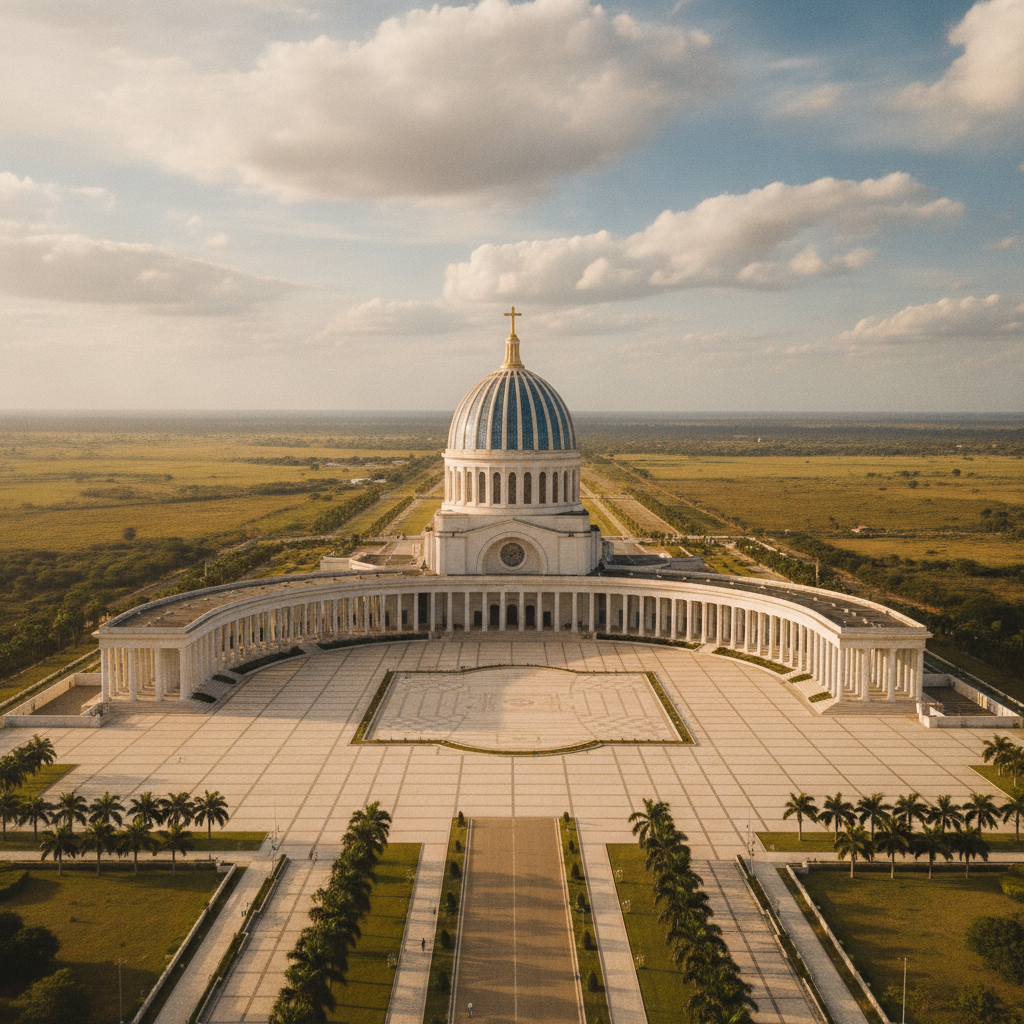
Abidjan Legacy: Houphouet-Boigny, the Yamoussoukro Basilica, Civil War History, Ivorian Art, Grand Bassam, and Tai Forest
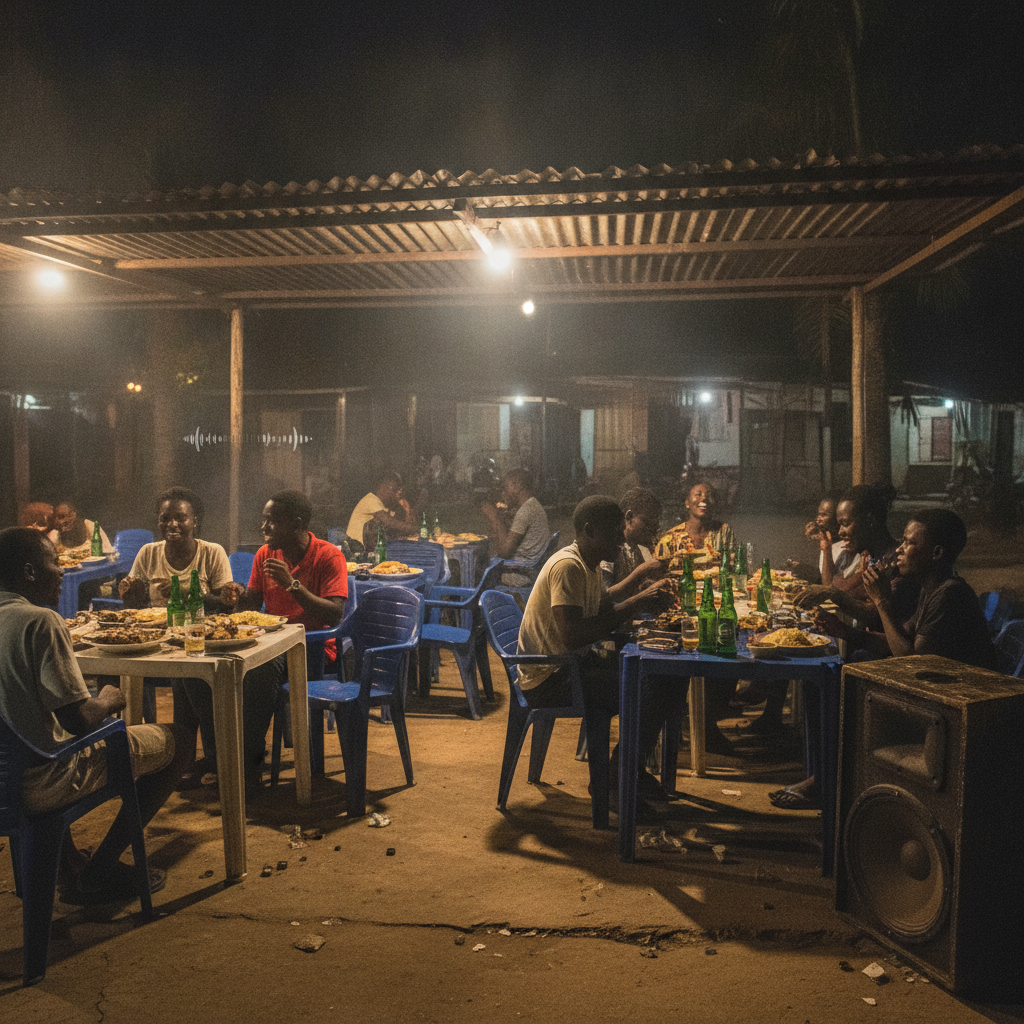
Abidjan Neighborhoods, Transport, Photography, and the City Practical Deep Dive
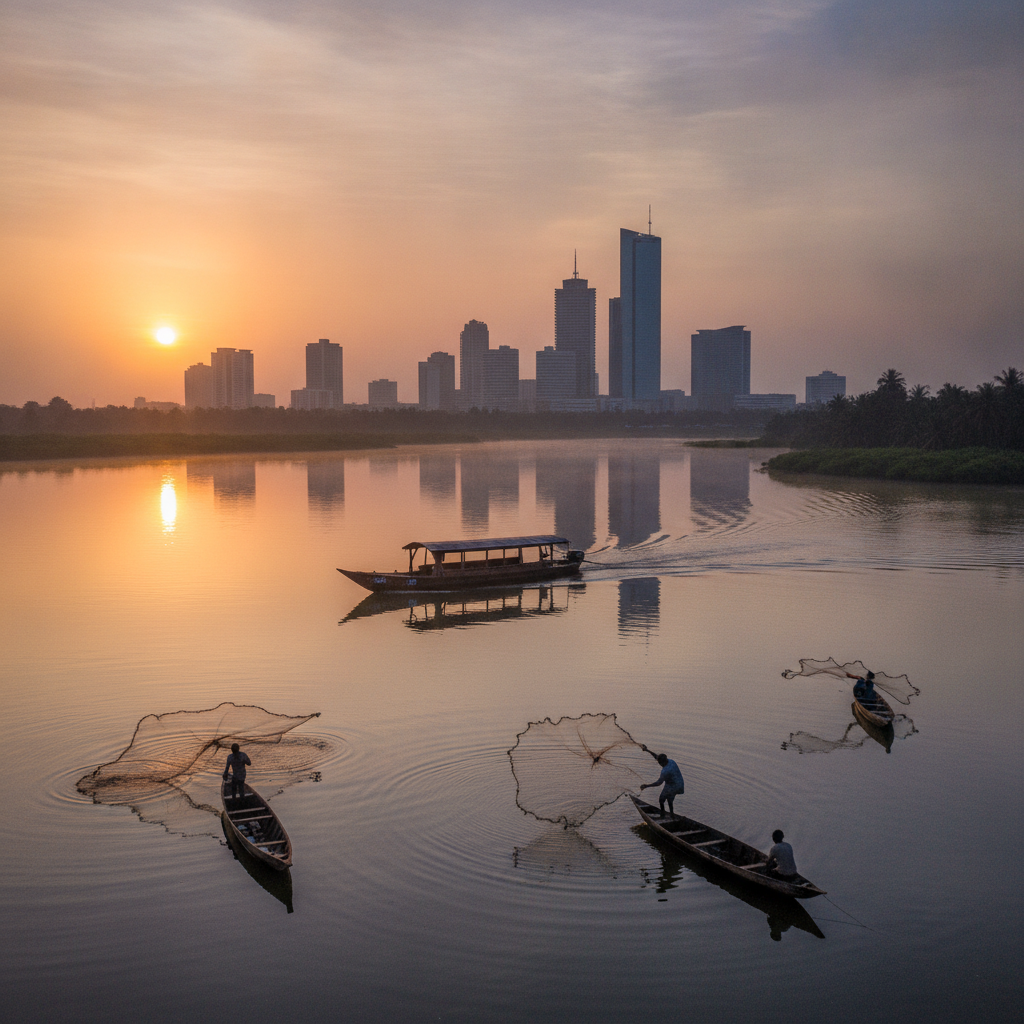
Abidjan Deep Dive: MASA Festival, Ivorian Art, Maquis Culture, the Ebrie Lagoon, and the Complete Ivory Coast Legacy
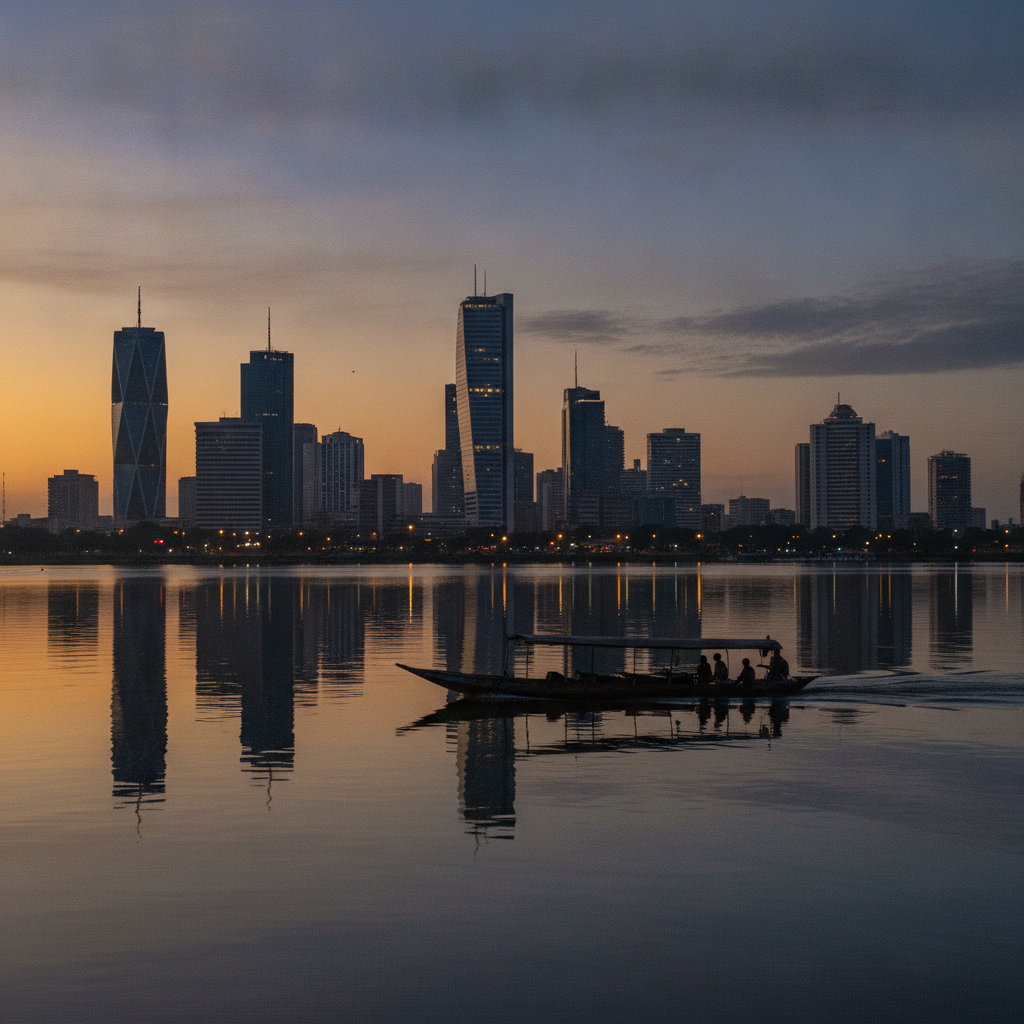
Abidjan: Lagoon City, the Plateau Skyline, Ivorian Cuisine, Music, and the Complete Ivory Coast Guide