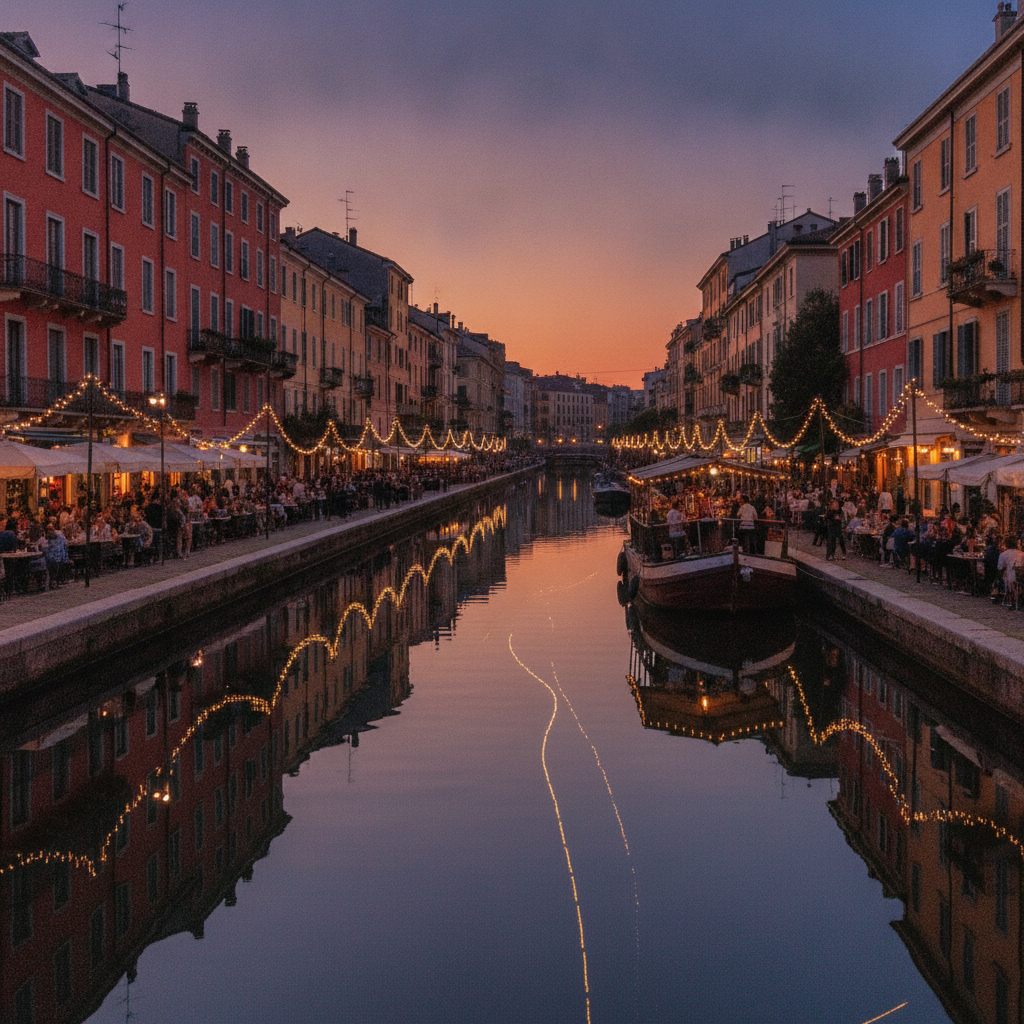

The Navigli Canals, Darsena & Porta Ticinese — Milan's Canal District
The Navigli district — the canal quarter of southwestern Milan, centered on the Naviglio Grande and Naviglio Pavese canals — is the most atmospheric and bohemian neighbourhood in the city, the remnant of an extraordinary medieval and Renaissance hydraulic engineering system that once connected Milan with the Po valley, the Alps, and the sea, and that Leonardo da Vinci helped to improve during his time at the Sforza court.
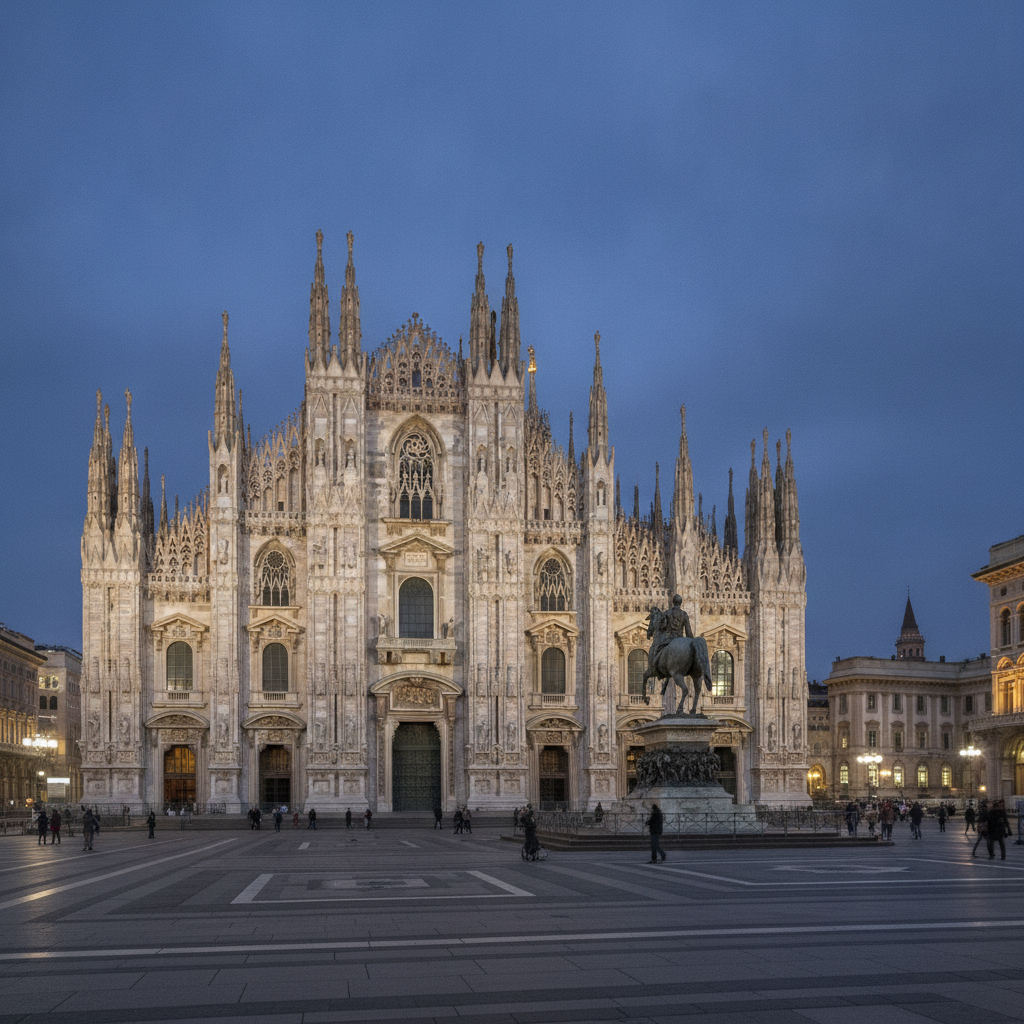
The Duomo, Galleria Vittorio Emanuele II & Piazza del Duomo
The Piazza del Duomo — the central square of Milan, dominated by the largest Gothic cathedral in the world and flanked by the most magnificent 19th-century shopping arcade in Europe — is the physical and symbolic heart of the city and the ensemble that defines Milan's identity as both a medieval ecclesiastical capital and a modern commercial metropolis.
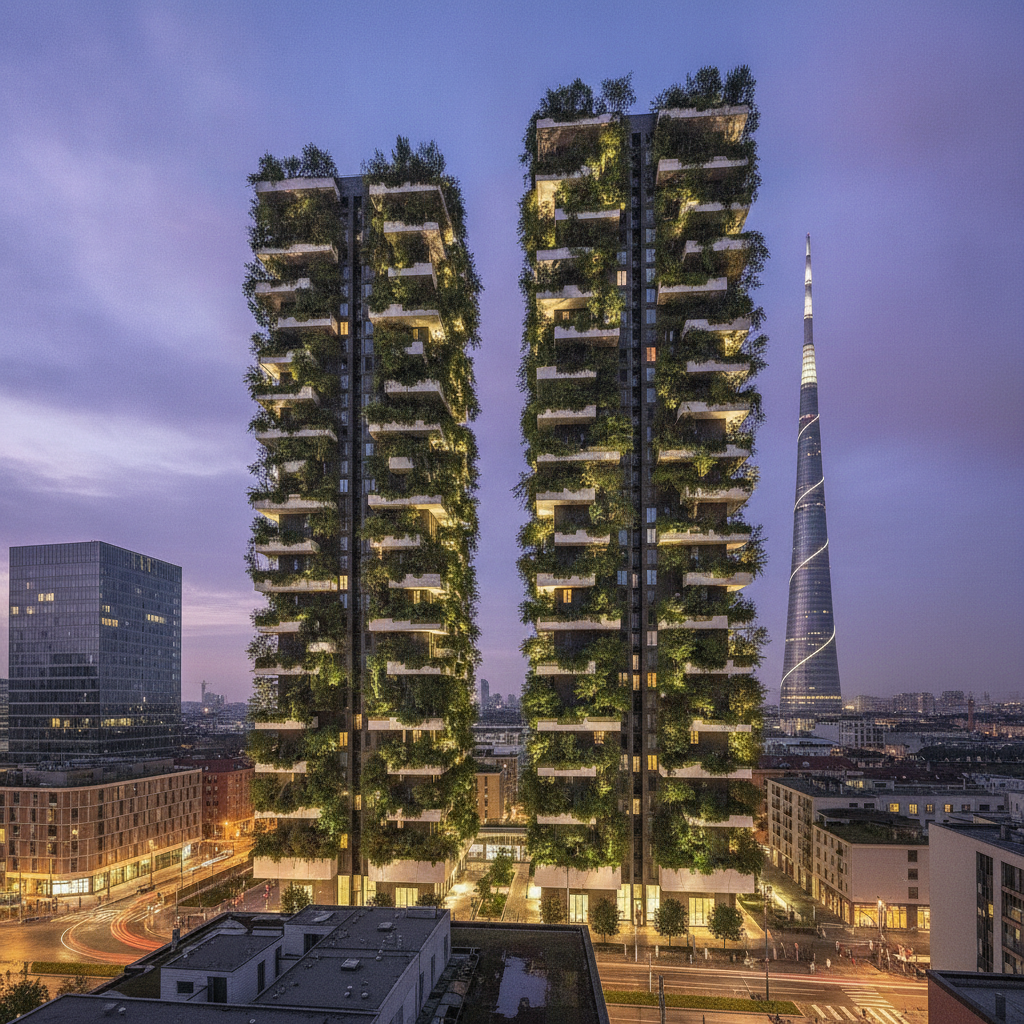
Isola, Porta Nuova & the Bosco Verticale — Milan's New Skyline
The Porta Nuova development — the 2000s-2010s urban regeneration project that transformed the former industrial and railway land north of the historic city centre into Milan's most ambitious contemporary architectural district — has fundamentally altered the skyline of the city and established Milan as the most architecturally adventurous major city in Italy.
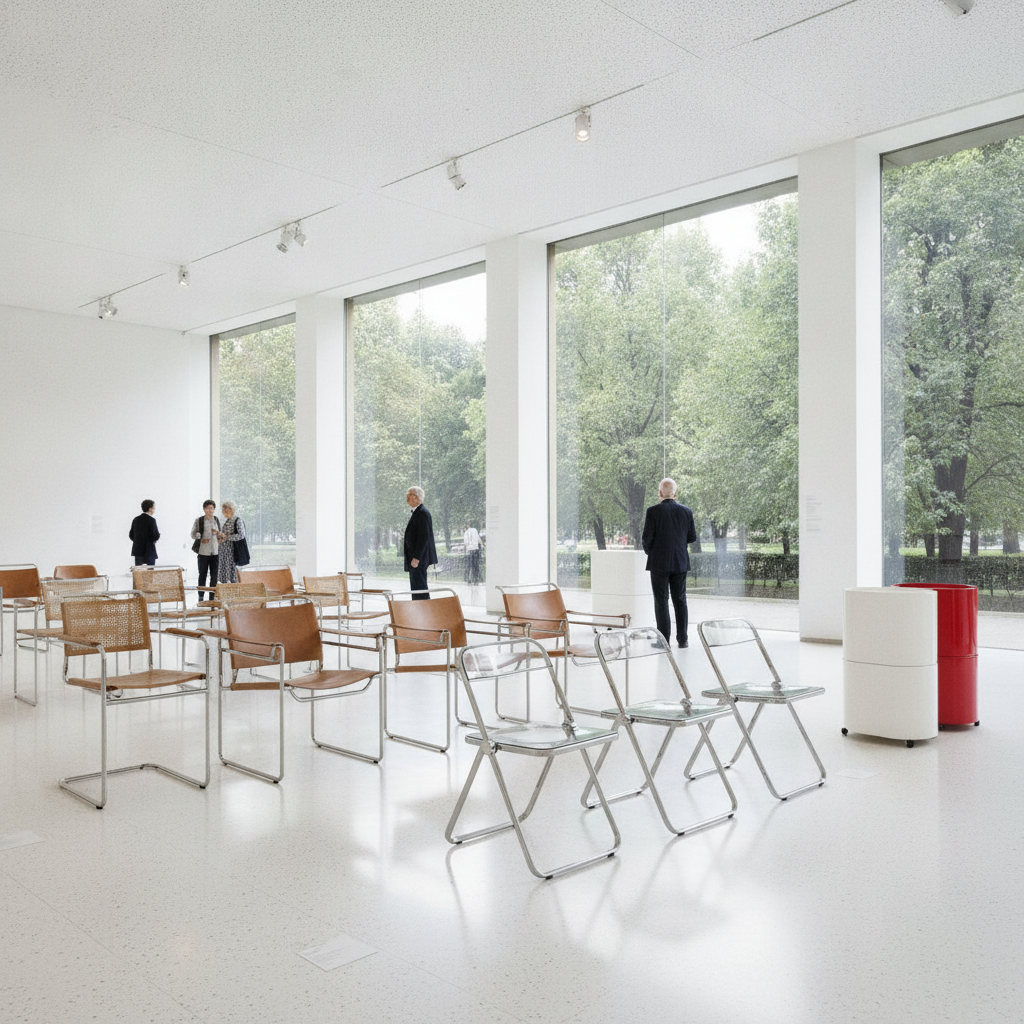
The Triennale Design Museum, Salone del Mobile & Milan's Design Legacy
Milan is the global capital of furniture and industrial design — a position it has held since the post-war 'Italian economic miracle' of the 1950s-60s when Milanese designers, engineers and manufacturers collaborated to create the most influential body of modern furniture design in the world, establishing brands like Cassina, B&B Italia, Zanotta, Kartell, Driade and Arteluce as the global leaders of high-end furniture and lighting.