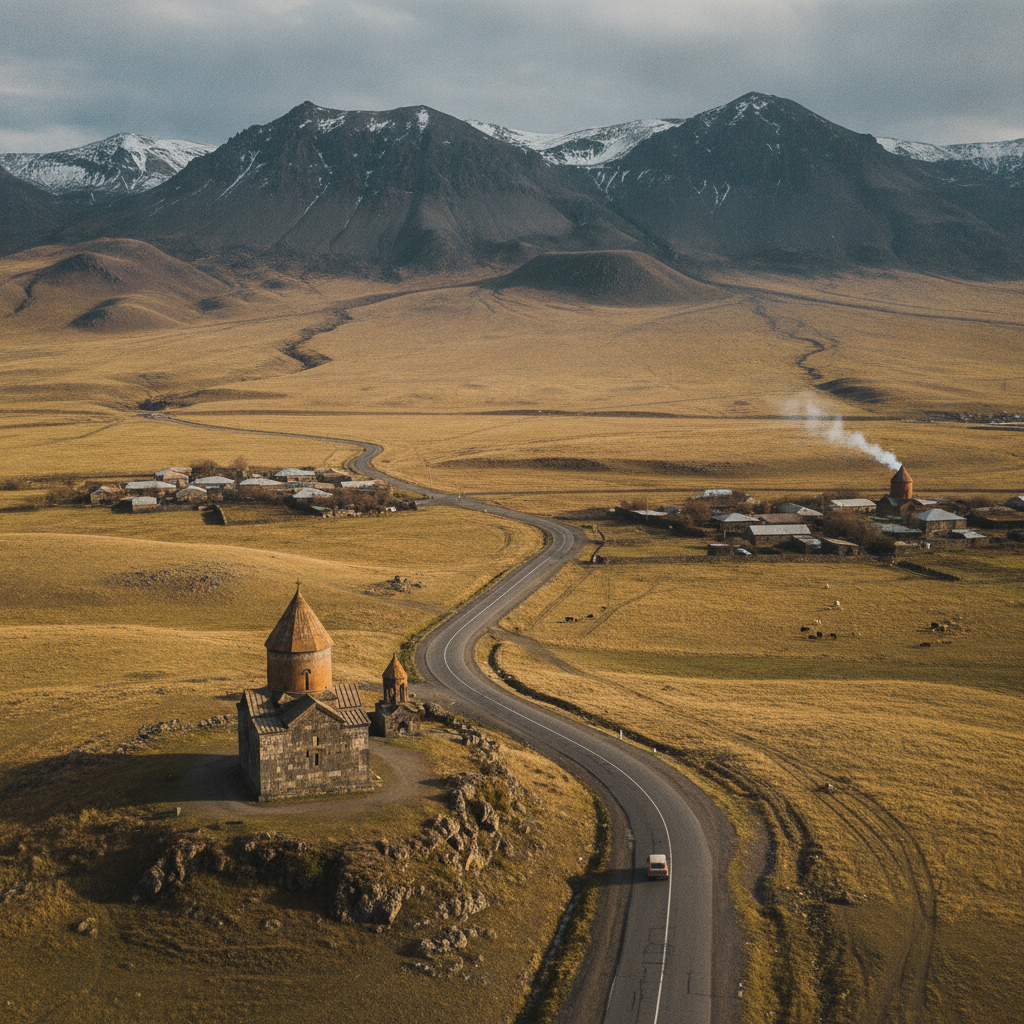

Harichavank Monastery and Highland Villages
Journey to the beautiful 13th-century Harichavank monastery in the Shirak highlands near Gyumri, exploring medieval Armenian ecclesiastical architecture amid dramatic mountain scenery and traditional highland village communities.
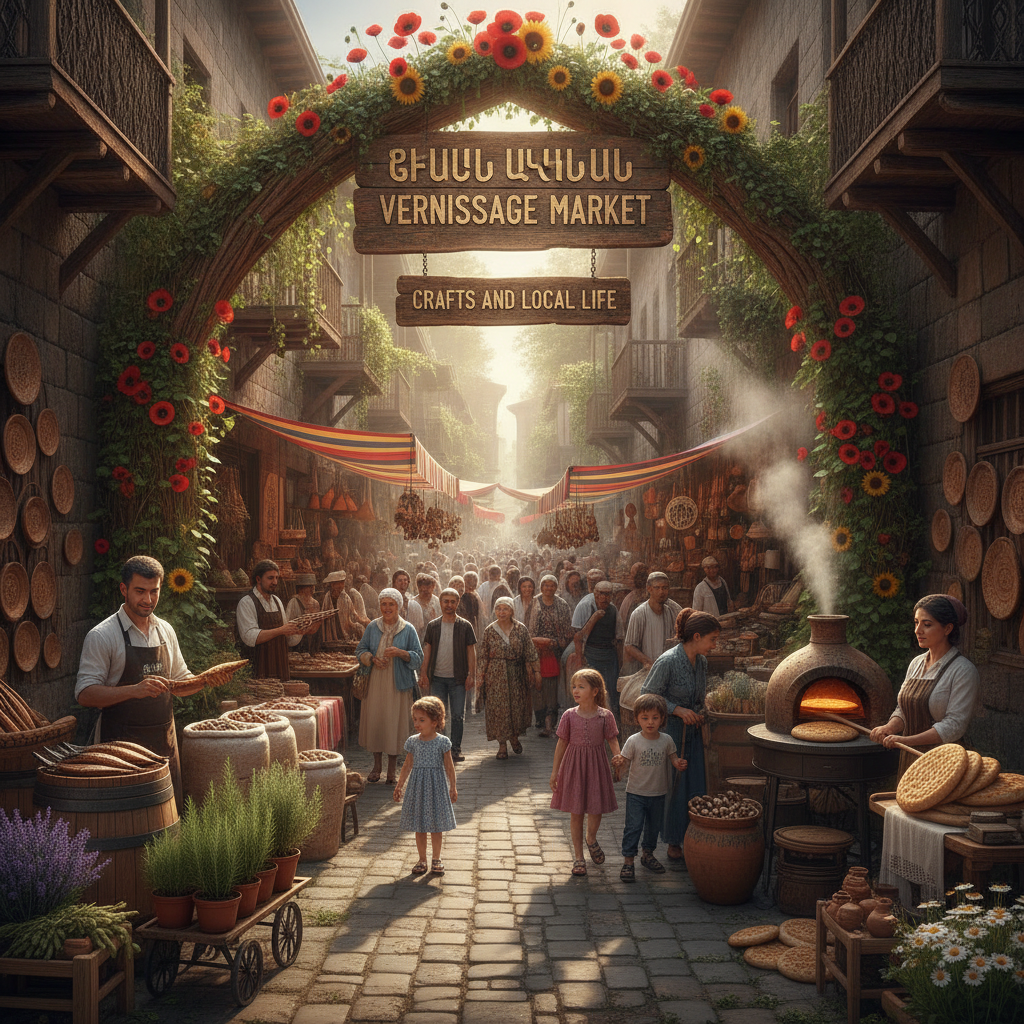
Vernissage Market Crafts and Local Life
Browse Gyumri's beloved Vernissage outdoor market where local artisans, antique dealers, and food vendors create a vibrant weekly gathering that reflects the city's craft traditions, humor, and distinctive social culture.
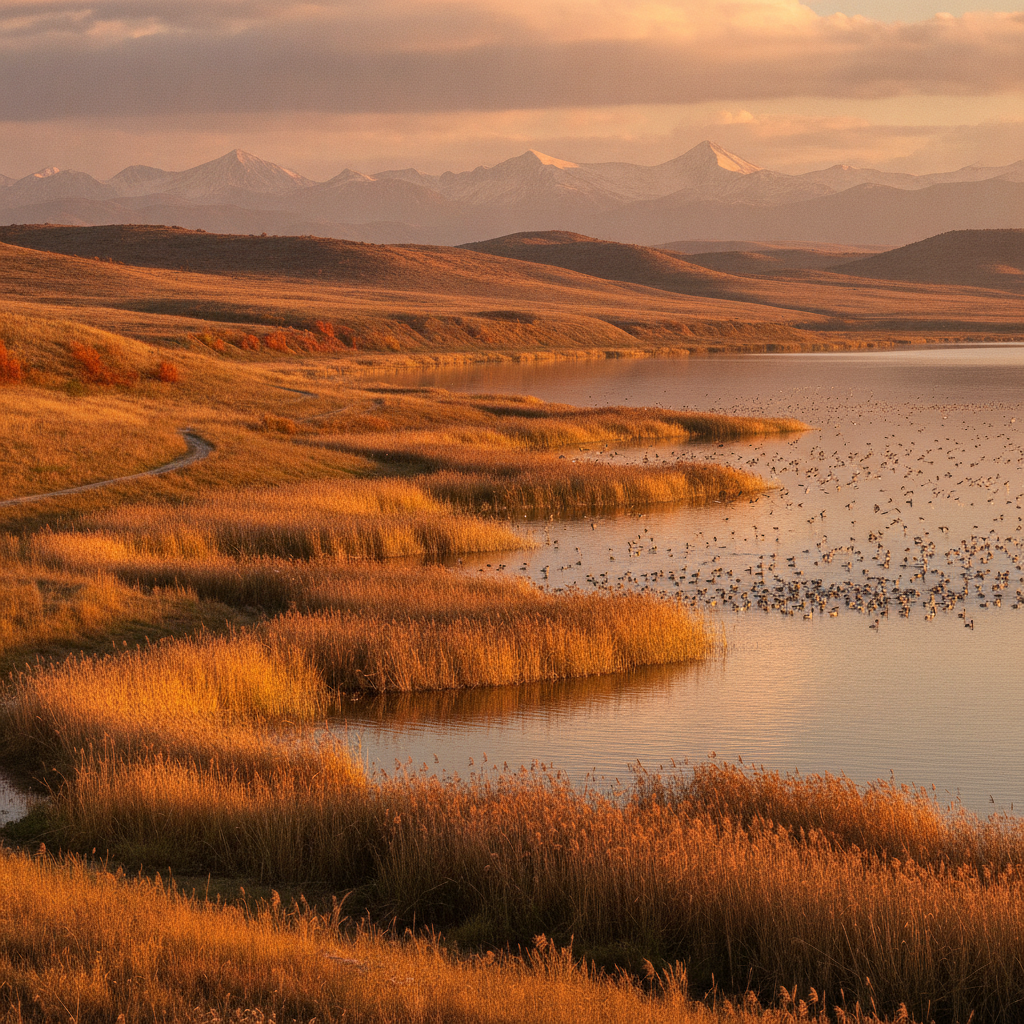
Lake Arpi National Park Nature Reserve
Explore Lake Arpi National Park near Gyumri, Armenia's largest freshwater lake and an important wetland sanctuary for migratory birds, with volcanic landscapes, high pastures, and mountain panoramas in the Shirak region.
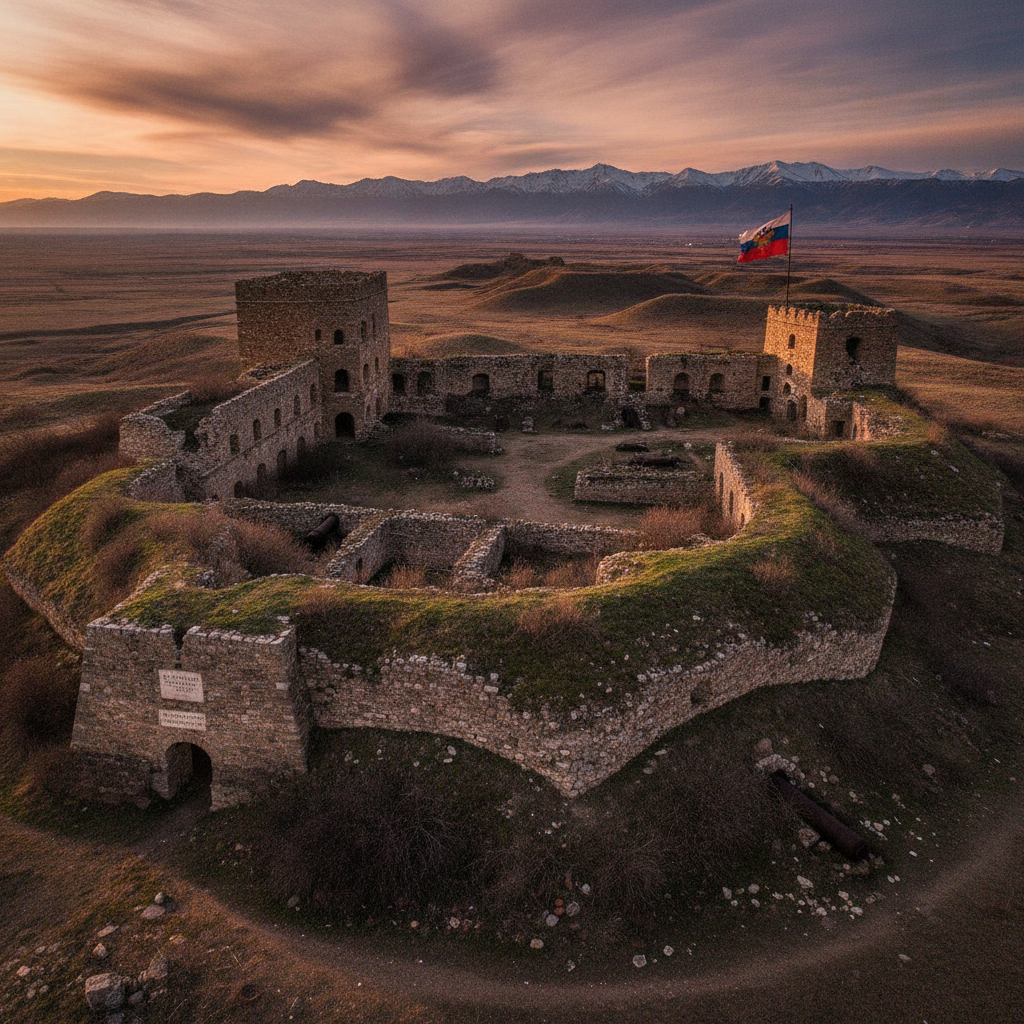
Russian Military History and Fortress Heritage
Explore Gyumri's important role in Russian Imperial military history, from its establishment as a fortress city after the 1828 conquest of Persian Armenia through its continued importance as a Russian military base in independent Armenia.
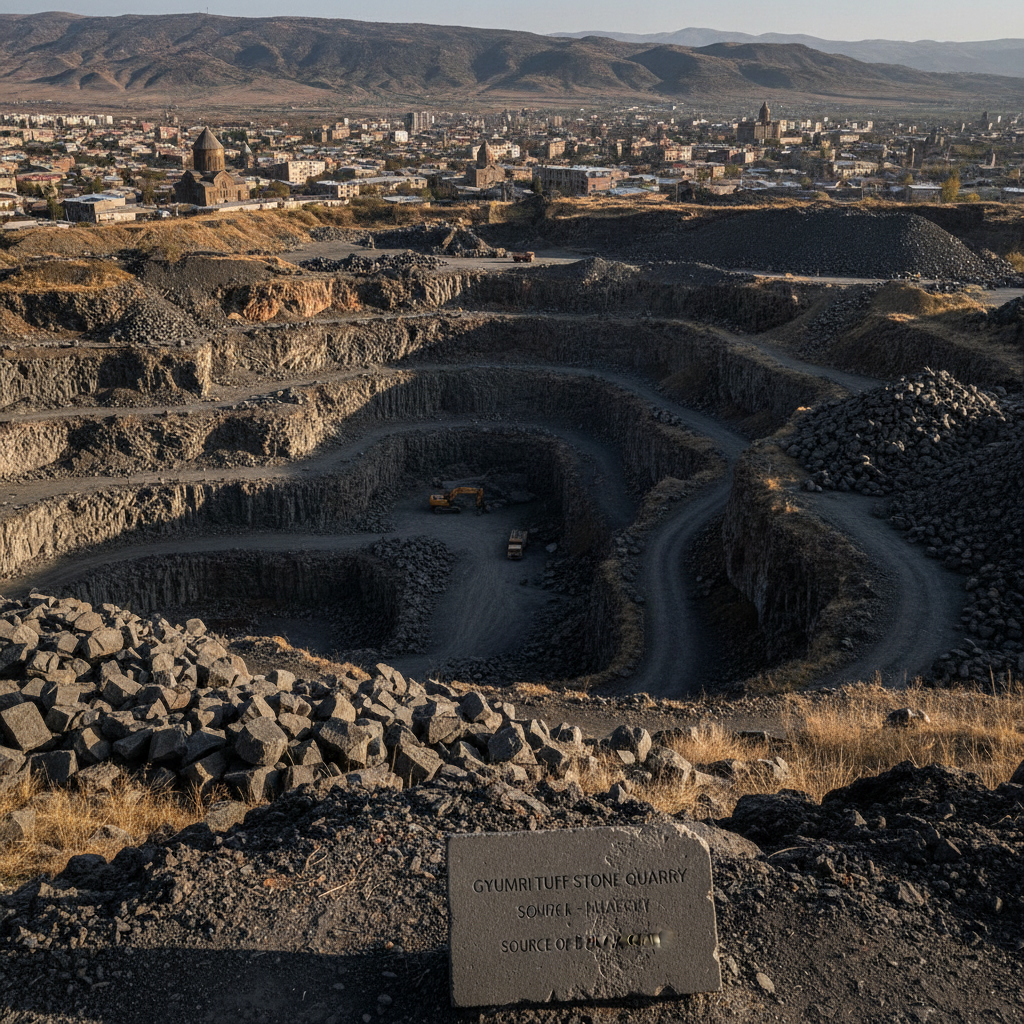
Black Tuff Stone Architecture Discovery
Discover the unique volcanic tuff stone architecture that makes Gyumri one of the most visually distinctive cities in the Caucasus, where black and brown basalt buildings create a dramatic urban landscape unlike anywhere else in Armenia.
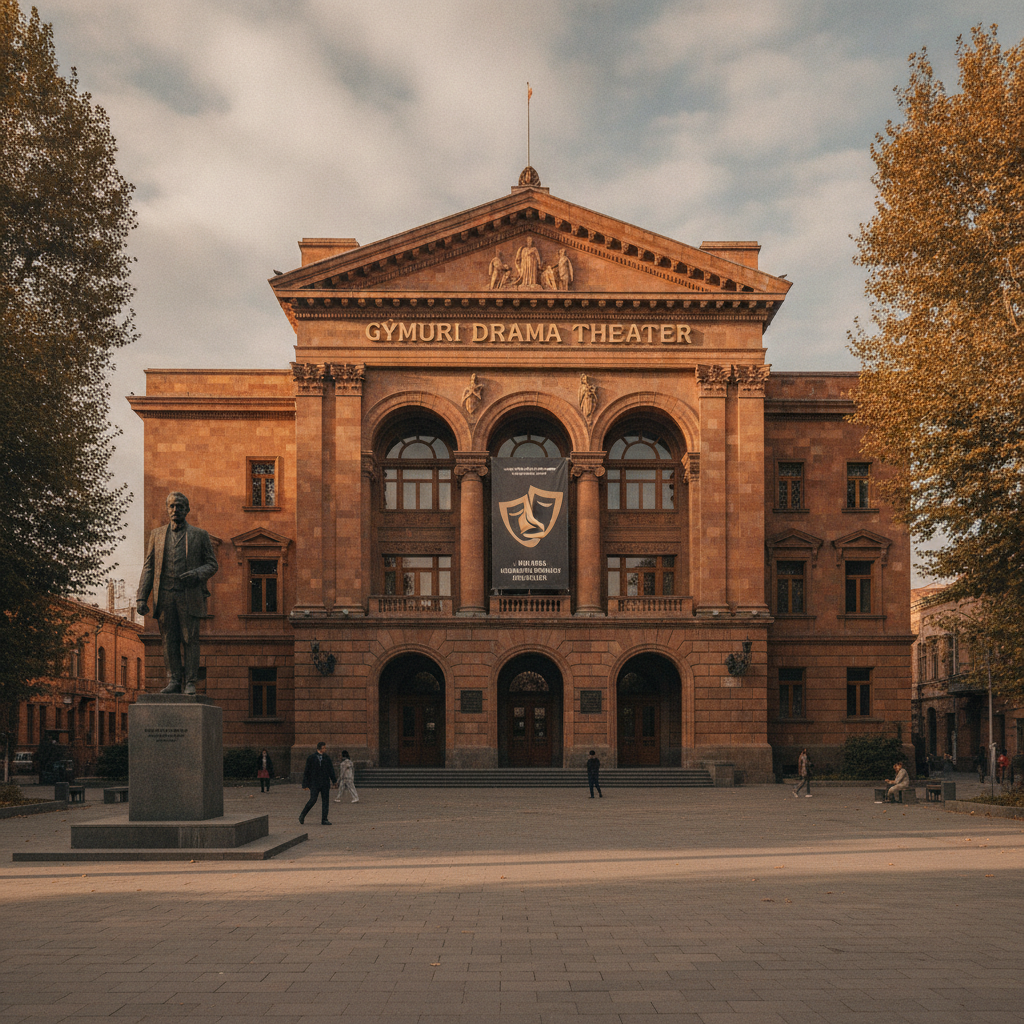
Armenian Cultural Arts and Heritage Center
Immerse in Gyumri's celebrated status as Armenia's cultural capital, visiting theaters, art galleries, music venues, and craft workshops that make this city a center of Armenian artistic life despite its turbulent recent history.
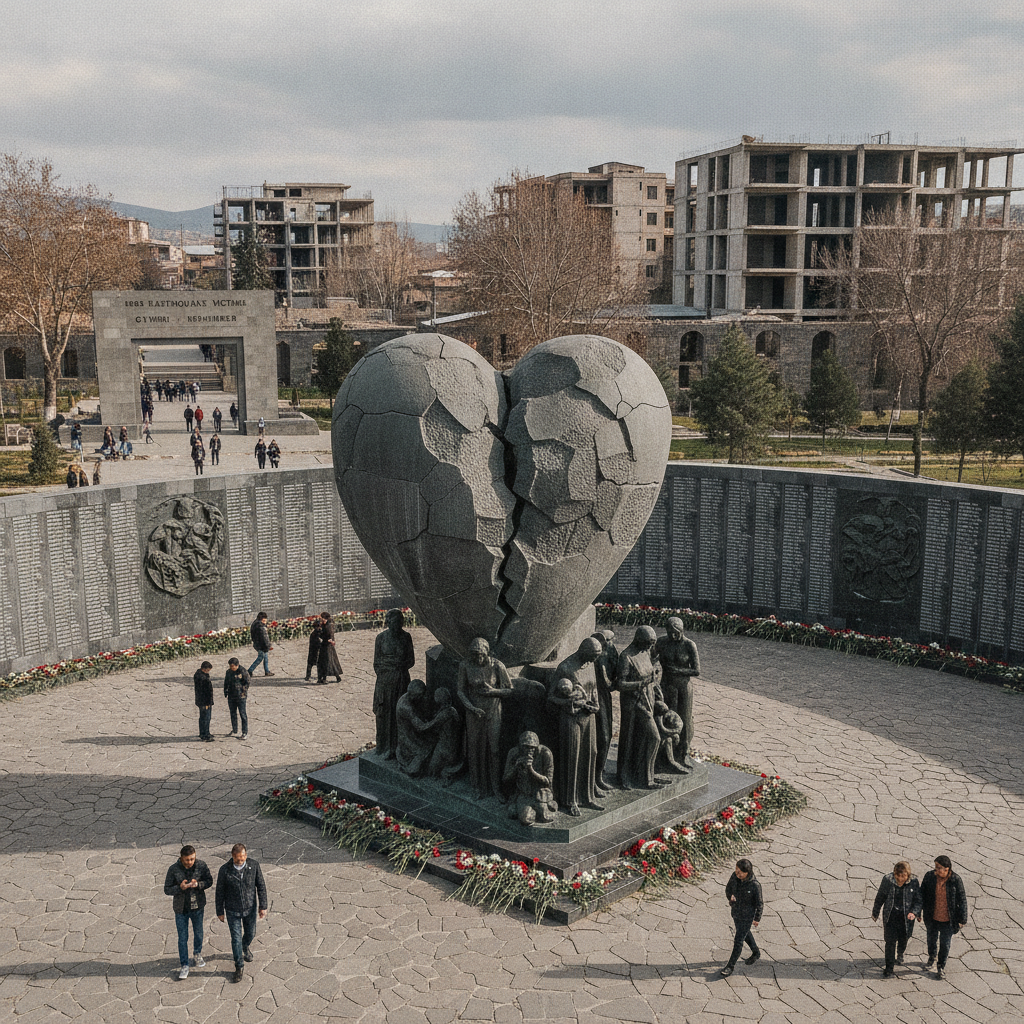
1988 Earthquake Resilience and Memorial
Confront Gyumri's defining tragedy — the catastrophic 1988 earthquake that killed tens of thousands — and witness the city's remarkable resilience and ongoing reconstruction, a story of loss, solidarity, and the determination to rebuild.
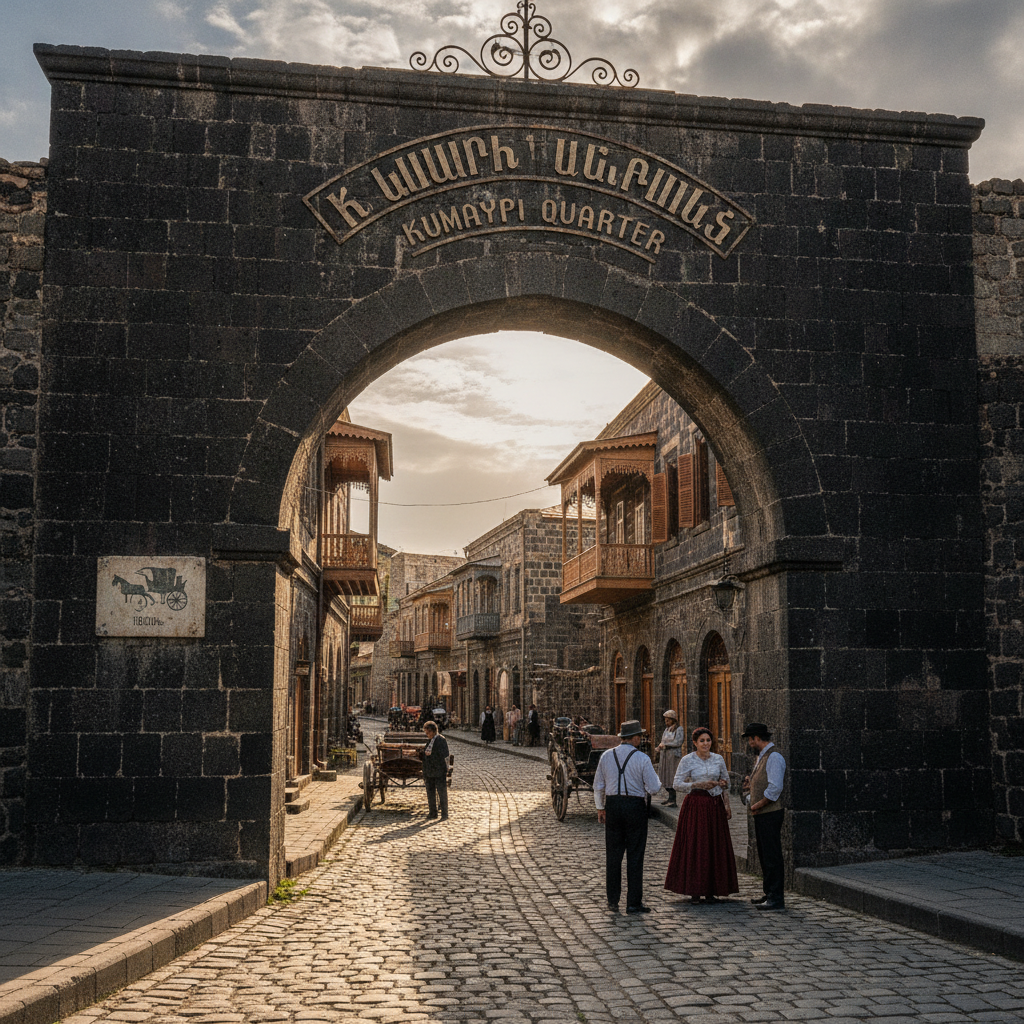
Historic Kumayri Quarter Architecture Walk
Explore Gyumri's remarkable historic Kumayri district, one of the best-preserved examples of 19th-century Armenian urban architecture, where black tuff stone mansions, carved facades, and traditional courtyard houses survive from the tsarist period.