
Lake Nokoué: Porto-Novo's Lagoon & Stilt Village Waterscape
The vast shallow Lake Nokoué connects Porto-Novo to Cotonou through a network of waterways — traditional fishing villages, the Ganvié stilt city, and extraordinary bird life on an inland sea

Porto-Novo's Missions, Seminary & French Colonial Education Legacy
The French Catholic missions established Porto-Novo's educational infrastructure — the seminary, secondary schools, and libraries they built shaped the intellectual class that led Benin to independence
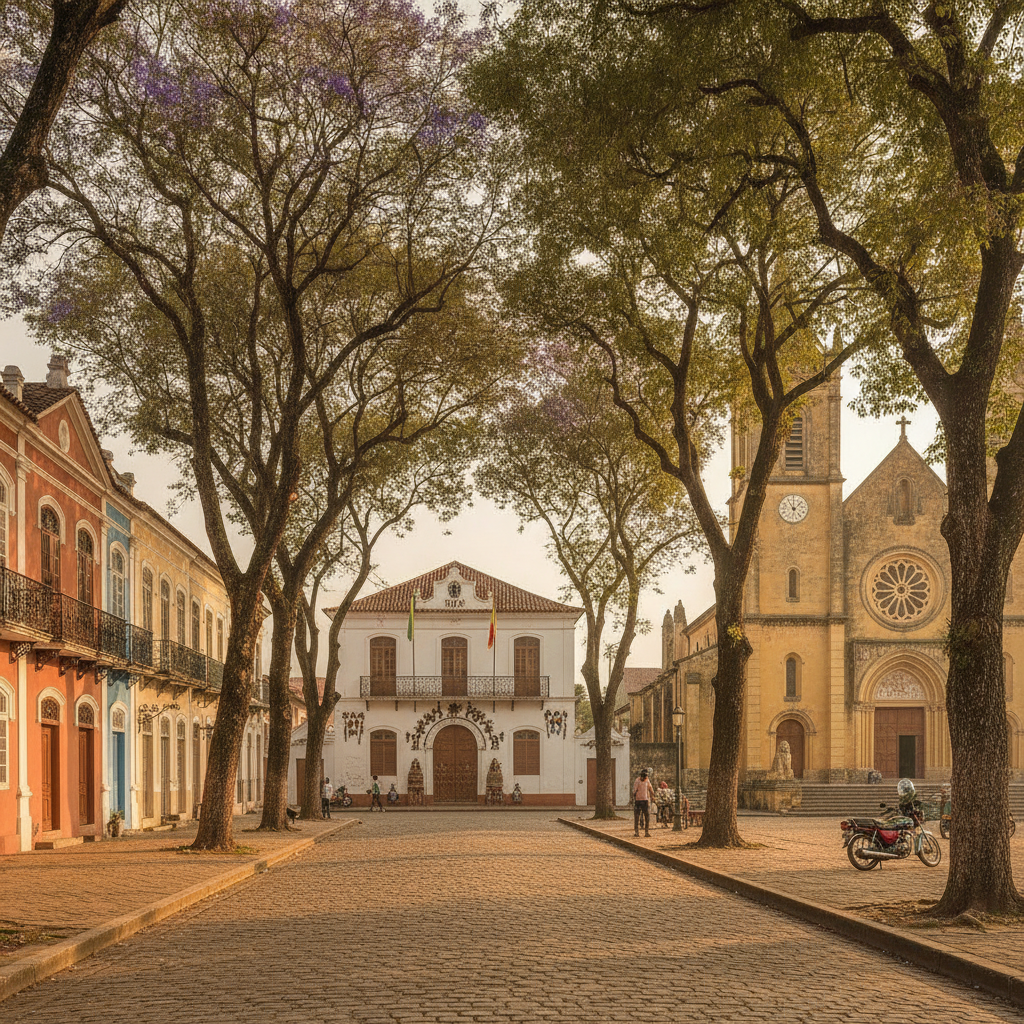
Porto-Novo's Colonial Architecture & Royal Heritage
Porto-Novo is Benin's official capital but quieter than Cotonou — a charming colonial city where Brazilian returnee architecture, a Yoruba royal palace, and French colonial buildings coexist
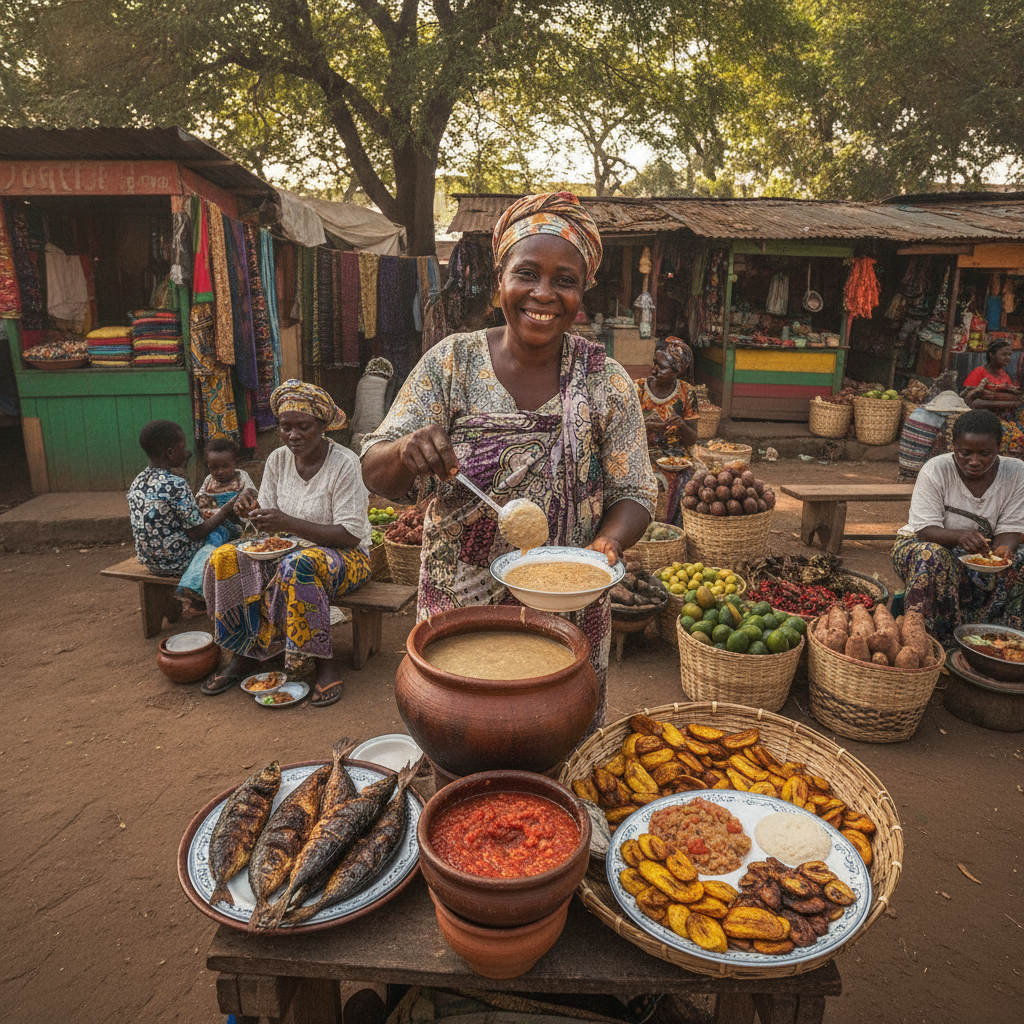
Porto-Novo's Market Food: Akasan, Grilled Fish & Beninese Flavours
Porto-Novo's food is simpler and more authentic than Cotonou's — morning market vendors selling akasan corn porridge, grilled river fish, and the traditional Beninese staples at street prices

Musée Honmé: King Toffa's Royal Collection
The Musée Honmé in the former residence of King Toffa contains the most remarkable royal collection in Benin — objects that span Yoruba ritual, Brazilian furniture, and French diplomatic gifts

Nago-Yoruba Heritage: Gelede Masks & Porto-Novo's Sacred Arts
Porto-Novo's large Nago community maintains the Yoruba-rooted Gelede masked tradition — a UNESCO-listed ceremony honouring the creative power of elder women through elaborate masked dance

Sacred Python Temple & Vodoun Worship in Porto-Novo
Porto-Novo has its own sacred python temple — smaller than Ouidah's but more intimate — where the royal python deity Dan is worshipped in a living tradition that predates the kingdom

Porto-Novo Ethnographic Museum: Fon, Yoruba & Beninese Heritage
The ethnographic museum in a converted Catholic mission is the finest documentation of Benin's ethnic diversity — Fon vodoun objects, Yoruba art, and the material culture of the Bariba and Fulani